Upon Re-Reading Animal Farm

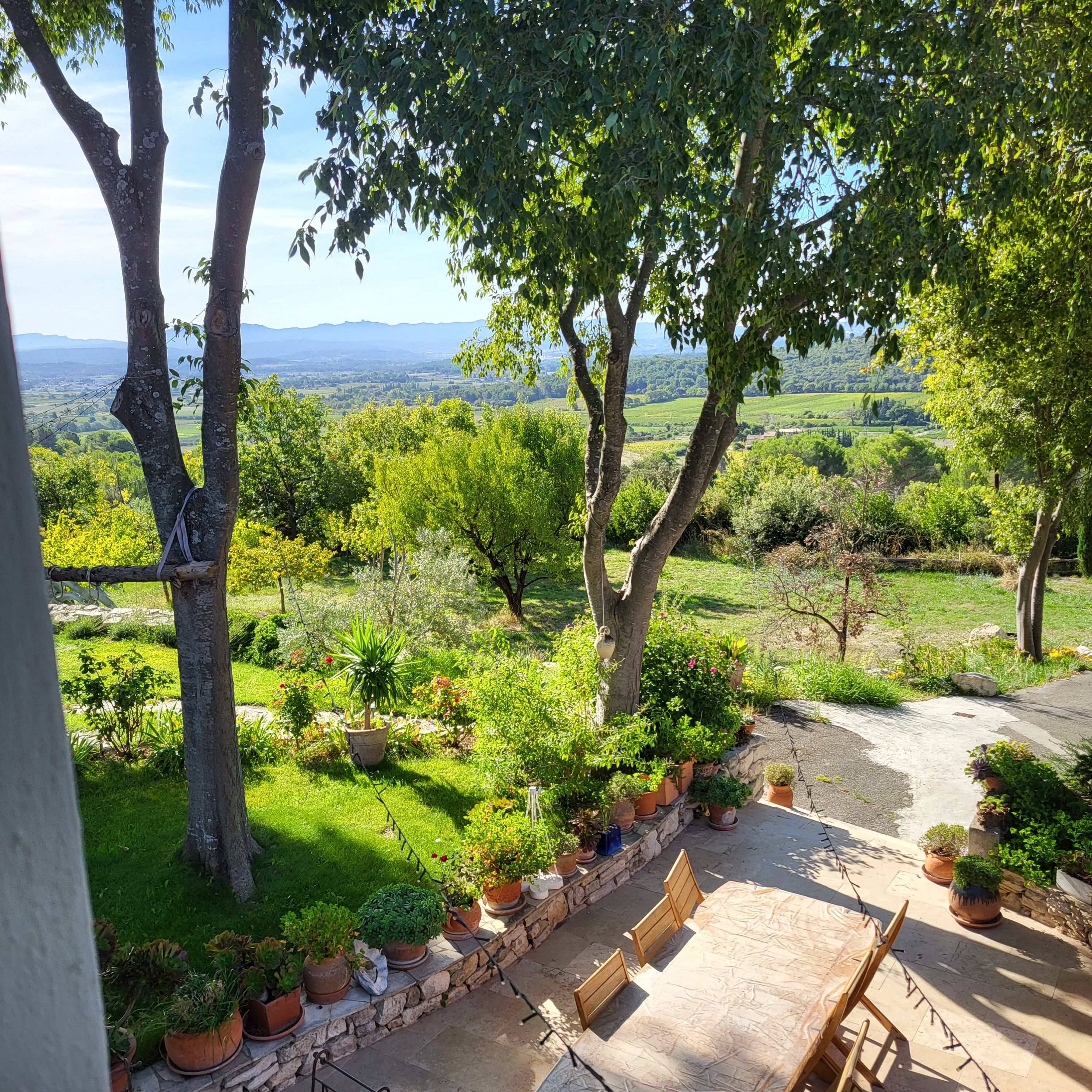
Photo by Anna Taylor on Pexels.com

I recently re-read Animal Farm, by George Orwell and it’s just as relevant and powerful as when I first encountered it in middle school. Orwell’s tale of rebellion and betrayal stirred something in me even then. I didn’t yet know the term “satire,” but I could feel its force. I knew Orwell wasn’t just telling a story about animals—he was warning us about power, manipulation, and the fragility of truth. That moment was a leap forward in my educational growth. It was the first time I understood that stories could say one thing on the surface and something entirely different underneath.

That breakthrough didn’t happen in isolation. Just before reading Animal Farm, I had participated in the Junior Great Books® program at my middle school. I remember sitting in a circle with a few kids from different classes, discussing a boxed set of stories and folk tales from around the world. Our teacher guided us with open-ended questions, but the magic came from the conversations themselves. That program didn’t just introduce me to literature—it taught me how to think about it.

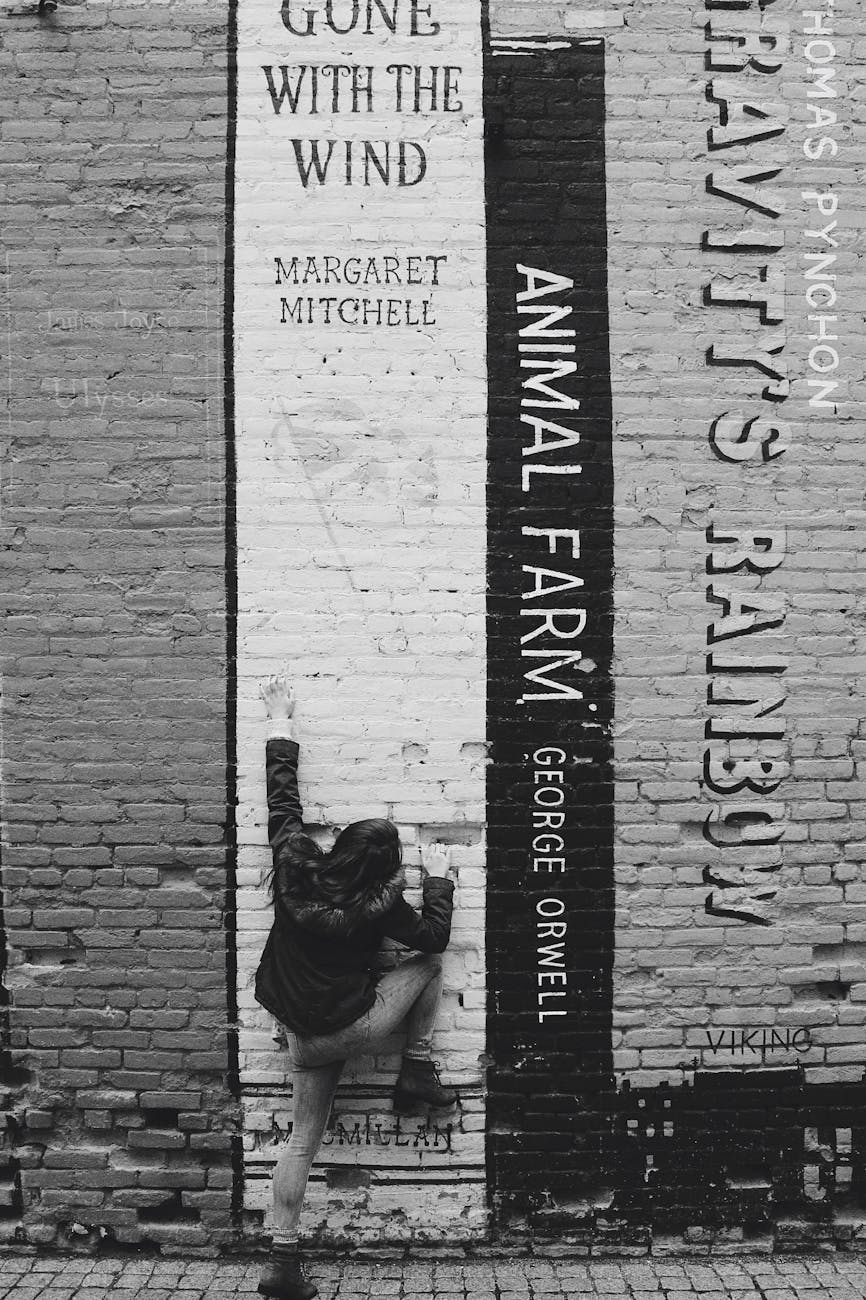
Girl in library behind a circle of books
Photo by Ying Ge on Unsplash

The Great Books Foundation was founded in 1947 by Robert Maynard Hutchins and Mortimer Adler, visionaries who believed that meaningful conversation around classic texts should be accessible to everyone—not just scholars. In 1960, the Foundation launched the Junior Great Books program that still brings that same spirit of inquiry to younger readers like it did me all those years ago.

I still remember the African folk tales that spoke to me—stories rich with wisdom, humor, and moral complexity. They opened my eyes to cultures beyond my own and taught me that stories could carry truths across time and geography. That foundation prepared me to meet Orwell’s satire with curiosity and insight. The Junior Great Books program had already primed me to ask questions, to listen to others’ interpretations, and to trust my own instincts. Reading Animal Farm so soon after that gave me the tools to recognize manipulation, to question authority, and to appreciate the power of language—not just in literature, but in life.

Photo by Blue Arauz on Pexels.com

Today, I see Animal Farm challenged in some circles, dismissed as “pro-communist” by those who never learned to read it as satire. That misunderstanding underscores why programs like Junior Great Books matter. They don’t just teach kids to read—they teach them to think. To question. To recognize nuance. And in a world where critical thinking is more vital than ever, I’m deeply grateful for the education I had.

I still have that boxed set of Junior Great Books. It’s a little worn, but it reminds me of the moment I first learned to read between the lines—and how that skill has shaped everything I’ve done since. Animal Farm was the spark, but the Great Books program gave me the lens. And for that, I’ll always be thankful.

Curious about the legacy of Junior Great Books and the Shared Inquiry method that shaped generations of readers? Learn more about the Great Books Foundation’s mission and history here.

I’m still here!

Me receiving an Appy Inkwell Award for Best Memoir at the Appalachian Writer's Conference, 2024
Me receiving an Appy Inkwell Award for Best Memoir at the Appalachian Writer’s Conference, 2024

About this time last year, I found out that the opening pages of my teaching memoir, Lessons: A Teaching Life, won a contest sponsored by Martin Sisters Publishing, a small press in Barbourville, Kentucky. With the prize came eventual publication. My long year of revising, editing, and polishing began at the beginning of this year. At the end of July, I reached a milestone, finishing my personal revision and editing stage! Now, I’m working with my wonderful editor, Ryan Wineberg, to edit the book and ready it for the publisher. If all goes well, I hope to have my first book published in the first quarter of next year.

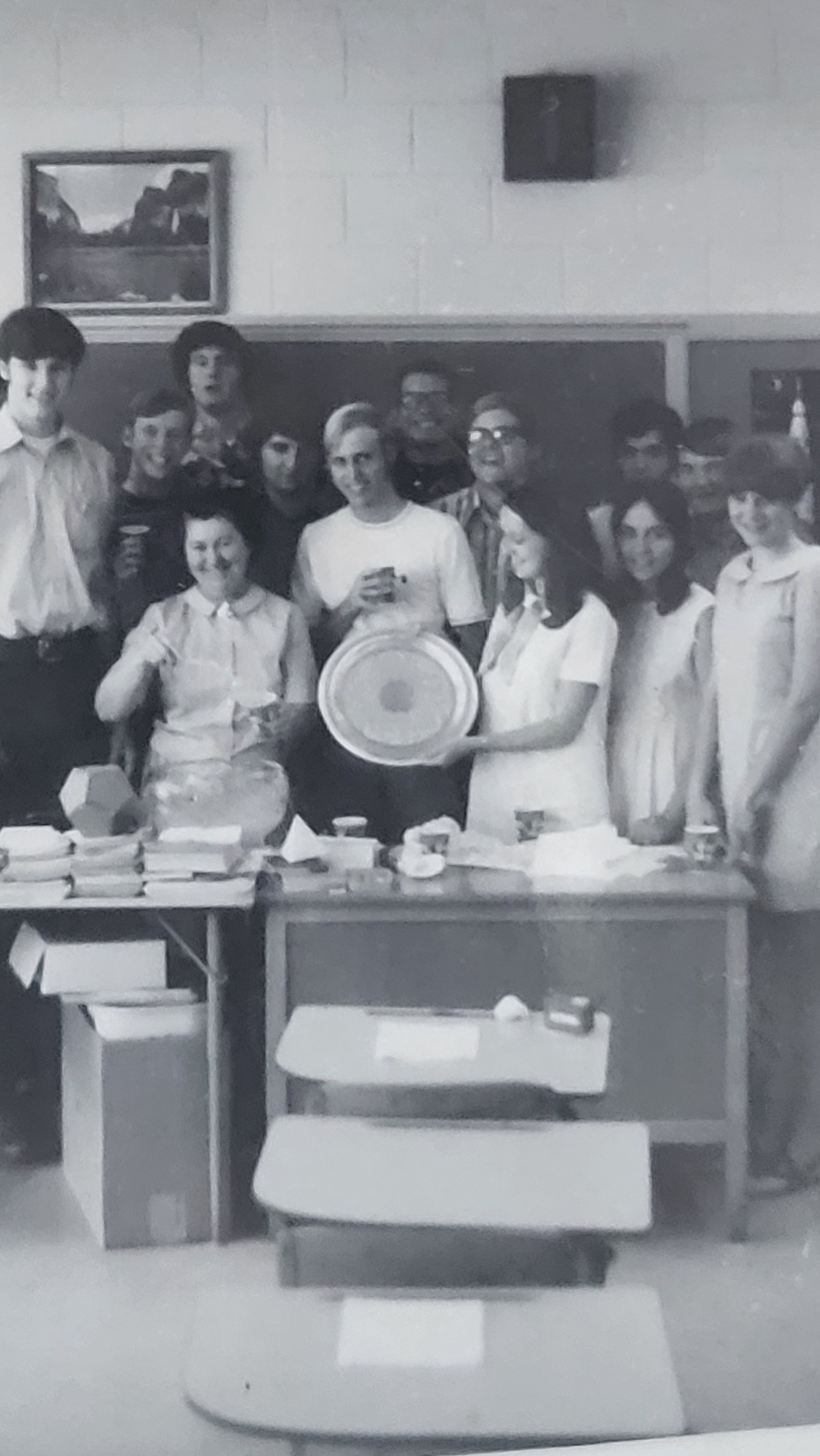
My grandfather when principal of Ridge Grove School (far right, back row)

One of the first things Ryan asked me to do was think about adding pictures, which for some reason, I had never thought about doing before. It’s been an interesting process and trip into my teaching roots, especially the pictures I have found of my own and my mother’s family, many who were educators. My grandfather, Gordon Dabbs, died before I was born, but through my mother I have learned what a great principal and physics teacher he was. My grandmother, Katherine, and her sister, Jane Leath, were also teachers as was my mother’s brother Eldridge Dabbs. My father was a principal, teacher, and coach. My mother taught English but spent the bulk of her career as a high school librarian, now retired for many years. My mother’s first cousin Judson Jones became a principal, too, and two of his daughters, Leah and Lori work in education; Lori has her doctorate like her daddy.

My grandmother with her first class at Lanett High School, Lanett, Alabama (front row, far right)
Great Aunt Jane at her retirement celebration (front row, far left)

It’s been great to look back and see pictures that represent this rich legacy that helped shape the value I put on education. For me and my family, it’s been priceless!

I will sure keep you all updated about the book’s progress. In the meantime, I’ll be traveling to the Appalachian Writers’ Conference again in September. Excited to go back and keep learning–as my dad always said, “I’m not going to retire. I’m going to refire!”

What’s Mrs. Winkler up to?

I’m not sure anyone cares, but here goes:

Actors from the original production of A Carolina Story on stage during a rehearsal
Rehearsal of the original A Carolina Story at Blue Ridge Community College, 2012–photo by Katie Winkler
  • I had the reading of the re-write of my play, A Carolina Story, that I worked on for a year during my time as a Dramatists Guild Foundation National Virtual Fellow. It was only a workshop reading at a local community theater, and it went well, but it felt a bit anti-climatic. I think I made it loom large in my mind and tried to make it a bigger “production” than it should have been, so I was bound to be a little disappointed, especially when I ended up with less time than I expected and had to cut out parts of the reading.
  • On the other hand, the actors who read for me were fantastic! Many of them were my dear friends and some of them had either directed or acted in the original version. They read so well, giving me the feedback and inspiration I needed. I don’t know what will happen with the play next, but the major revision is finished, it’s better, and the year of learning and revising and planning was not wasted.
  • I’m learning to get over myself. I have made many mistakes and will continue to make more, but I’m better for it. Each misstep is another opportunity to grow. I’m proud that I have not let my stupidity stop myself from trying and taking chances. One of the great things about being my age is that I’ve gotten close to not giving a rat’s patootie what people think about me.
  • I continue to make progress on my teaching memoir thanks to Ryan, the great editor Martin Sisters Publishing assigned me, although I do give my own hard work its due as well. I was stuck for a little while, I have to admit, struggling with structure and focus. I just couldn’t quite wrap my head around how to put the book together or where to put the emphasis, but suggestions from Ryan helped as. It looks like I will finish with my first big edit ahead of the deadline.
  • What else am I up to? Trying to live well–planning and going on trips, writing, reading, listening to audio books, spending time with my husband and daughter, laughing with people, trying to help them, trying to stay informed about current events without obsessing, trying to take care of my health, finding ways to stay calm and enjoy the time I have left on the planet.
  • And I remember. Working on a memoir means living with the past, including all of those mistakes I just talked about, and while some of it has been painful, much of it has been glorious. It’s been a good life and despite the hardships and disappointments of my teaching career, I never wanted to do anything else except write, and I have been able to do both for most of my life. That’s something, isn’t it? And I’m grateful.
Me receiving an Appy Inkwell Award for Best Memoir at the Appalachian Writer's Conference, 2024
Receiving the Appy Inkwell Award for Best Memoir at the Appalachian Writer’s Conference, 2024

Getting Real, Folks

A few years ago, when I was still working at a small community college in western North Carolina, I was visiting my mother who lives in rural Alabama. Often times towards the end of my almost 40-year teaching career, I would be discouraged and, I’m sad to say, spent a great deal of time bellyaching about the work environment when I was talking with my mother. But this time, I was happily explaining how a new teaching idea (I can’t remember what it was) had positively affected my students. “Sometimes this teaching stuff works,” I said.

My mom and me about ten years ago–photo by Hannah Winkler

Then, after a moment of silence, my mother said, “I know you’re too busy right now, but when you retire, you really ought to write a book about teaching. You’re such a good teacher, Katie.” I teared up then just like I am right now because those words coming from my mother started healing the wounds from a dysfunctional workplace and dwindling societal respect for educators in general. Slowly, the first writing project of my retirement began to take shape in my mind. I would write a memoir of my life as a teacher, and it would be dedicated to my mother.

I actually began writing the book in the last year of teaching but didn’t get very far. The composing process has never come easily to me, and I struggled. However, once I retired and was freed from the stresses of teaching, especially the heavy grading load, the words just seemed to tumble out of me. I had forgotten why I went into teaching in the first place, but now, no longer fixating on the heavy course loads, bureaucratic frustrations, and student apathy, I began remembering the joy of being in the classroom, the challenges I overcame, and the educational adventures I experienced. I had a rough, rough draft in six months, half the time I had given myself to finish.

Happy me at the awards banquet!

Even though I only had a draft of the book, when I saw the opportunity to enter a contest for a full-length memoir that only required the first 2,500 words, I decided to enter since all of the top three awards would cover the fee to the conference that was sponsoring the contest. I thought I had a shot at 3rd place, but never imagined that I would win the memoir category that came with an additional prize of publication!

So, it is happening! The publisher has assigned my book an editor who happens to be just right for me, someone with community college teaching experience who was the first person to greet me at the conference with the words, “I love your work!”

Unlike composing, editing is a joy for me. I would tell my students this; they would just give me that you’re-such-a-nerd look, but I would protest. “No, no, no! You don’t understand. Revision and editing are at the heart of good writing. That’s when you get to manipulate the words, sentences, and paragraphs–add and subtract until you make the writing sing!”

I doubted that many believed me, so I started saving my students’ diagnostic paragraphs in a folder and handing them back on exam day when they wrote a final reflection paper comparing that first faltering writing to the final essay. Sometimes they would audibly express their surprise with a “It is better.” or even just “Wow!”

I cherished those days just as much as I cherish revising and editing my first book: Lessons: A Teaching Life–coming to a bookstore near you, or online, from Martin Sisters Publishing.

***

The cover of the Fall/Winter edition of Teach. Write. A statue of an angel with arm outstretched

Coming soon! The next edition of Teach. Write. I’m dedicating this edition to the indomitable spirit of those who have been impacted by the many natural disasters we’ve been experiencing around the world, especially those here in my region of Western North Carolina. Six months ago, Hurricane Helene tore through our area, causing massive damage and a loss of 106 lives. Now, due to the thousands of downed trees and dry weather, fires are blazing all over our region, including upstate South Carolina. And yet, the resilient spirit of our people stands.

The Spring/Summer 2025 edition of Teach. Write. will be up on my sister site on April 1. On that date, I will begin accepting submissions for the 2025 Fall/Winter edition, so take a look at my guidelines and send me your best work!

Service is a dirty word

Photo by Pixabay on Pexels.com

Service is a dirty word
You may have to
Wipe inky hands
On a blackened rag
Beside a bottle
Of disinfectant
Left over
From Covid’s mandatory cleaning days
Long deemed
Useless by scientists
But not bureaucrats.

Photo by Enrico Hu00e4nel on Pexels.com

Service is a dirty word.
You may have to
Wipe down your desk
Of ceiling tile flecks
From above you
As workers pound on the old roof
Of a building
That appears new
To the press and politicians
who don’t see you
Back there, serving

Photo by Cori Emmalea Rodriguez on Pexels.com

Service is a dirty word.
You chose this filthy bed you lie in
You could have walked away.
You could have stayed so much cleaner if
You chose business or tech.
You really deserve that net decrease in pay.
For wanting, longing to serve.

Don’t you know?

Service is a dirty word.

Reading at The Brandy Bar

The Brandy Bar + Cocktails — Photo by usarestaurants.info

It’s getting real, y’all. This month I will begin the formal editing process of my teaching memoir, Lessons: A Teaching Life. If all goes well, the book will be published by the end of the year. I’ve been told it’s never too early to get the word out, so I signed up to read a short excerpt from the book at The Brandy Bar+Cocktails.

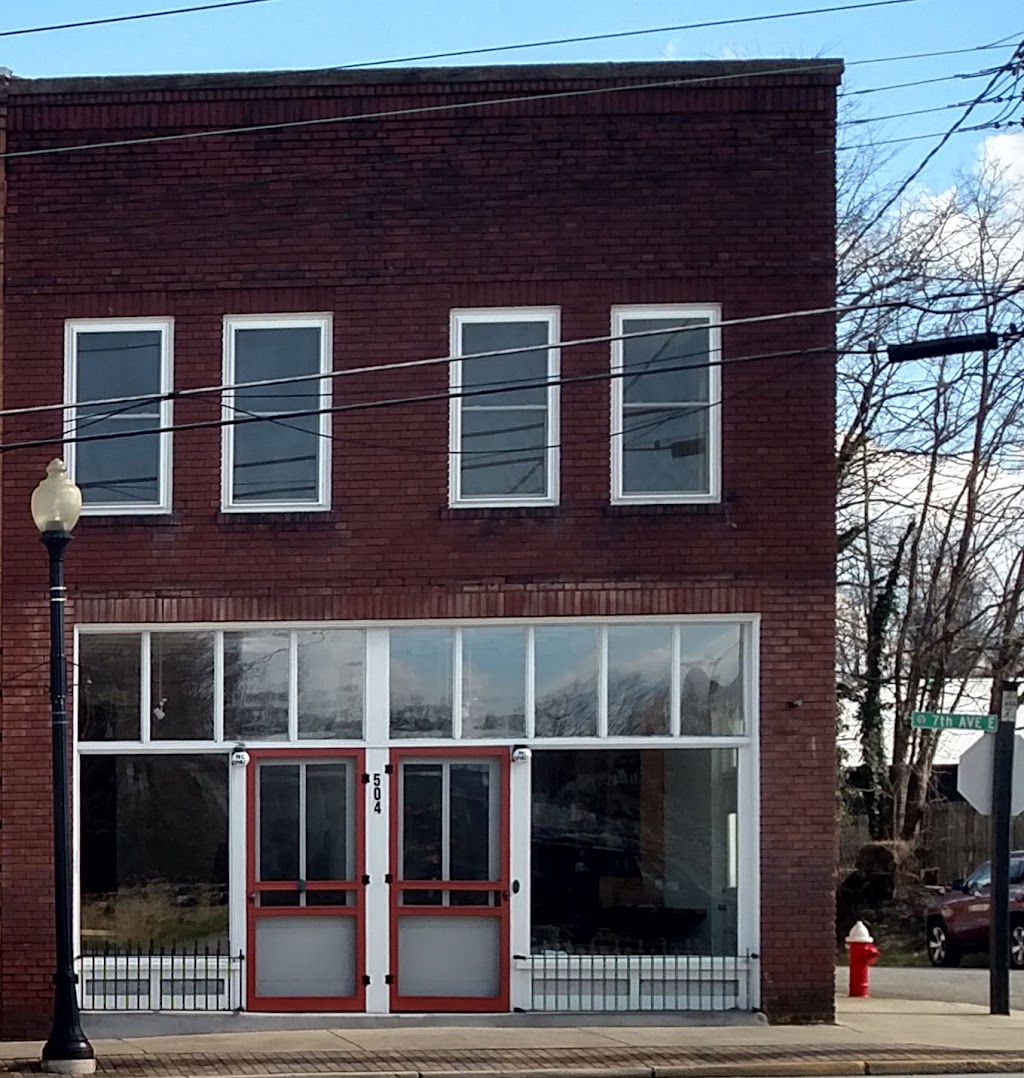
For the past several years, almost every month, the North Carolina Writers’ Network–Henderson County sponsors “In the Company of Writers” at The Brandy Bar. It’s great. The Brandy Bar is in an old building on historic 7th Avenue in Hendersonville, NC. Writers gather to hear a presentation by a local or regional poet, author, or playwright, followed by an open mic.

Last Wednesday, the evening began with signing up for the open mic and chatting with writer friends to the sound of blues tunes by guitarist Charlie Wilkinson and Hollywood Jonny. Next, came a marvelous presentation by local poet Tony Robles who read from his two volumes of poetry–Where the Warehouse Things Are and Thrift Store Metamorphosis. Tony moved us all as he read poems about the soul-healing power of physical work and the intrinsic value of everyday life and ordinary people. After the reading, Tony answered questions, offering insight into his work and telling us about the novel he’s working on, his first.

The Reading Room — Photo by usarestaurants.info

I was the first to read after Tony. A little nervous to follow such a great writer and eloquent speaker, but I felt so good afterward. One of the best things about reading a work in progress to an audience is when you get affirmation that your work has value. In my case, I also picked up on a few things I needed to revise, which I was hoping for. I used to tell my students to read their work aloud when they were revising and editing. One of the best ways to check for technical errors, sure, but also an opportunity to analyze word choice, sentence structure, and rhythm.

It was also a joy to hear the other readers. Some were writers I’ve come to know very well over my years of involvement with the Network, but I was happy to hear the fine work of writers I’d never met, including quite a few younger writers. In the company of writers is a good name for the event, one of my favorite places to be. Extra nice to be sitting in a comfortable chair sipping on a specialty of the house, Brandy Alexander.

Lava lamp collection by the bar–photo by usarestaurants.info

One of the most moving pieces came from a bearded man wearing a cap, tattoos covering his arms. He wrote about addiction and dealing with it. After the readings, he approached me and asked if I had ever taught at the University of North Carolina–Asheville. I said I had not, but I had taught at Blue Ridge Community College for 27 years.

His face brightened. He had been there, too. He asked about his teacher, my colleague who retired several years before me. I told him that I met with her regularly, that she was doing well and enjoying retirement. He wanted me to let her know that he was at UNCA finally finishing his degree, in English. “Tell her I’m a little late in getting it but I’m getting it.” I assured him I would let her know.

Once long ago, a student gave me a little wooden plaque shaped like a pencil that said, “Time and distance cannot erase the influence of a good teacher.” I think I’ll remind my friend of that when I tell her about meeting her grateful student while reading at The Brandy Bar.

The Year Closes

The year closes.

It’s been good.

I know.

It’s been bad, too.

It’s tested me like never before

But

It hasn’t.

And yet.

The year closes.

I’m not a teacher anymore.

But that’s okay.

I’m still Mrs. Winkler

I still have something to say.

But right now,

Right now.

I just want to play with my cat

Sit next to my husband and daughter

On the couch

Or read.

While

The year closes

Wait ’til tomorrow.

Or the day after.

I’m not done with you yet.

Thanksgiving 2024

Photo by Monstera Production on Pexels.com

Once again, I sit down to write on Thanksgiving Day. What a blessed life I have! I get to write just about whenever I want to! I know I’ve often used this blog to complain about the state of higher education in the American South and elsewhere, but I’m grateful that I CAN and have always been able to voice my dissent or approval despite my occasional confrontational style and unconventional teaching methods. For most of my career, in fact, I have been free to pursue whatever I thought best for my students, free to encourage, admonish, and challenge them.

Now that I’m retired, I’m grateful for the modern technology that allows me to easily maintain this blog and publish my literary journal Teach. Write. These publications allow me to continue having a voice about education in my country. This upcoming year, however, although I will still acknowledge my concerns, I am going to make a point to seek out more of the good that I come across, the innovative and exciting initiatives that I hear about, the positive use of new technologies, how instructors are not only coping with the times but also finding ways to bring their students back to the place where they are less anxious about their education and excited about learning. I want to find the students who are enjoying their education and discover why. I also want to highlight the activities of educational organizations I’m a part of, including the American Association of University Professors, the Phi Kappa Phi teaching honor society, and the Educational Foundation of Henderson County Public Schools.

Photo by Pixabay on Pexels.com

Another focus of this new year is continuing to look back and mine the educational gems of my own past as I edit my teaching memoir, Lessons: A Teaching Life. I have been thinking a great deal about my own education as well as my career as an instructor during this time of revision. I have so many things I want to write about, but not all of my stories belong in the book, not this one anyway. The blog will be a good place for my memories, ones that will, I hope, instruct and encourage teachers, students, and parents.

I have so much to be thankful for during this my second year of retirement–family, friends, neighbors, health, security, prosperity. Sure, there are still difficult times like hurricanes and elections, still things to complain about and to work to improve, but all that can wait for another day, can’t it?

Today, let’s just raise a glass and say, “Thank you! Thank you! Thank you!”

Photo by fauxels on Pexels.com

Face-to-face and One-on-One

Samford Hall at Auburn University–Photo by Pixabay on Pexels.com

I was talking to my nephew Ruben this past weekend. He just started this semester attending Auburn University after getting his Associates at Southern Union Community College in Opelika, AL. He has an interesting perspective on American colleges and universities because, although he has an American father, he was raised and educated in Germany, where my brother has lived and worked for decades as a pastor after making the wise decision to marry my wonderful sister-in-law, who is a German doctor.

Ruben was glad that he attended a community college first so that he could establish residency, improve his already excellent English language skills, and acclimate to the American educational system. He did well and accomplished his goals, grateful for a low-cost alternative for satisfying his general education requirements.

Photo by SERHAT TURAN on Pexels.com

However, at Auburn this semester, he has been able to begin working on his major area of study, graphic design, and that has been the highlight of his time in American higher education so far. Why? Of course, working on projects that are teaching him the skills necessary for his desired employment is one of the reasons. The class is several lab hours a few days a week where students’ work is evaluated and critiqued openly. In addition, students are expected to work on projects outside of class and those who wish to do well will come to work in the studios late at night. But, since Ruben almost always meets his fellow students in the studio, where there’s plenty of talk and laughter, he doesn’t mind the late-night work so much.

As I listened to my nephew, though, I soon realized that the main reason he is enjoying his graphic design so much is the professor. Turns out she’s tough and demanding, expecting students to show up prepared for class and able to take constructive criticism. She roams the studio during class, watching students work, looking at their projects, and pointing out what needs to be improved. She is not all warm and fuzzy, and Ruben likes this. It’s a challenge that he enjoys rising to.

Photo by cottonbro studio on Pexels.com

I felt so heartened as I listened to Ruben talk about his class, about working hard and enjoying it. So much of that had been lost in my last few years of teaching. Now that I’m retired over a year, I can see that some of my discouragement came from burnout. I was just so ready to retire. However, some of that burnout came from showing compassion for students who were truly struggling with serious issues of physical or psychological abuse, food and housing insecurity as well as with the subject matter, while shoring up the resilience and persistence of others whose overprivileged lives and faux fragility was crippling them.

Both types of students need a rigorous and challenging hands-on learning experience with a dedicated educator like Ruben’s professor, who demands excellence from her students and yet takes the time to build relationships with them. The ones who have it tough often find hard course work and thinking as an escape, and the ones who’ve never needed to work hard before need it because, well, they need to learn how to work hard for something–we all do. As Dad said, “It builds character.” Of course, the students have to be, like my nephew, willing to accept critique and respect the professor’s expertise. Ruben does not feel that he has nothing to learn, that he’s just ticking off a box. He is approaching the class with diligence and humility, which in turn is, I’m sure, allowing the professor to give more of what she has to give.

Photo by Kampus Production on Pexels.com

I felt better about higher education after talking with my nephew on Saturday. As long as there are teachers who are willing to give and students who will receive, face-to-face and one-on-one, then solid American higher education will continue, and our country will be the stronger for it.

Horrible Helene

Neighbors Helping Neighbors–Photo by Katie Winkler

My hometown in Western North Carolina lay directly in the path of Tropical Cyclone Helene as it made its mad way through the Southeast. Never in my life did I think I would encounter the worst natural disaster in the state’s history here in the mountains. In my little neighborhood of two narrow dead-end roads, our neighbors joined together to remove six downed trees in less than half a day, so that we could get out of our neighborhood. For weeks we have shared news, food, water, the best roads to travel and when, where the best cell reception could be found. We have become better friends.

Over and over again in the almost four weeks since the storm hit, I have been astounded at the way our people have come together to care for each other and how people from all over the United States and Canada have joined to help us. My heart is full of gratitude.

And you know, none of us talked about politics.

I wonder, however, as we near the end of a contentious election season, if our togetherness during the crisis can withstand our political divisions, especially when it comes to education.

To me, in the race for the North Carolina Superintendent of Education, the choice seems to be amazingly clear, Mo Green, who has served North Carolina Public Schools as superintendent of Guilford County Schools and general consul for Charlotte-Mecklenberg Schools. Hands down! His knowledge of the public school system is extensive because of these positions. He is already intimately area of how our system works, its strengths and weaknesses. In addition, his mother, a special education teacher, instilled in Green a deep respect for teachers that his opponent, MIchele Morrow, lacks. She has in the past called schools “indoctrination centers” and its teachers “groomers.” A quick search of her well-documented past reveals even more alarming rhetoric, including calling for the public execution of President Obama and the overthrowing of the constitution.

However, the extremism is not only in the past. Michele Morrow simply can’t help herself. Although she has toned down her rhetoric during debates and public appearances, focusing on “safety,” her bias, especially against LGBTQIA+ individuals and immigrants, keeps cropping up as in her Sept. 16 post on X. Ironically, Morrow begins her post writing, “We must keep EVERY student safe in ALL our schools!” However, after criticizing her opponent Mo Green for winning the endorsement of Equality NC, a pro-LGBTQIA+ group, Morrow’s pre-campaign rhetoric comes out once again: “NEWSFLASH: the ‘+’ includes PEDOPH*L*A.” How such an untrue and inflammatory implication can serve to keep every student safe, especially non-binary ones, is unclear. 

Another attack on the LGBTQIA+ community occurred during Pride month (June) last year. Morrow made one of her frequent visits to the Wake County School Board meetings, and during a three-minute rambling statement said, “There is no pride in perversion.” One might say that Morrow is entitled to her opinion about queer people, which is certainly true, but her rhetoric clearly belies her concern for the estimated 10% of students who identify as non-binary according to a survey conducted by the Williams Institute at UCLA’s School of Law.

 Her statement is consistent with her continuing obsession with the “indoctrination” of our public schools by what she calls the far left. However, a 2021 national study by the conservative think tank The Heritage Foundation, revered by many Christian nationalists, found no evidence of the extremes and even concluded the following: 

The average teacher response was consistently more moderate than that of the average liberal in the nationally representative sample. We find little evidence that a large percentage of teachers are systemically imposing a radical political agenda in K–12 classrooms. We discuss implications of these results—including the possibility that teachers may often be allies, rather than opponents, of parents concerned about critical race theory, the 1619 Project, and other divisive ideologies in public schools.

Trees down in my neighborhood–Photo by Katie Winkler

My prayer is that unity and togetherness that came to us during the aftermath of Horrible Helene will remain with us as we go into the coming storm of one the most contentious elections in our nation’s history. May we make decisions based on respect for all teachers, students, and parents–not just those who hold a certain worldview.

https://twitter.com/i/status/1810263505536205206

https://youtu.be/xCxiCqInRRI?si=ymIgxsNwIQC6oXf- 

LGBT Youth Population in the United States – Williams Institute (ucla.edu) 
BG3672.pdf (heritage.org)