In my last blog post, I wrote about attending the Appalachian Writer’s Conference held at Berea College, but what I couldn’t announce then is that I won first place in the memoir category of the Appy Inkwell Writing Awards sponsored by the conference. Part of the prize for first place is publication with Martin Sisters Publishing!
As I’ve written in other blogposts, I made completing my memoir one of major writing projects of my first retirement year and accomplished that, but the opportunity to enter the Appy Inkwell Awards came up unexpectedly when I went to register for the Appalachian Writer’s Conference. I worked on polishing the first 2,500 words of the book and was quite pleased with the results, but what a surprise!
I celebrated the first-year anniversary of my retirement on August 1 and on August 3 received the e-mail saying that I had won!! I was so happy to tell the good news to my 88-year-old mother, the person who inspired me to write my teaching memoir shortly before I retired. What a thrill!
The awards ceremony came after three days of making new writer friends and learning so much about the craft and business of writing at the conference. Truly an amazing experience. I also enjoyed walking around the beautiful Berea College campus, talking with college students (one of the things I miss about teaching), eating delicious food, and traveling around the Kentucky countryside. I especially enjoyed traveling to New Castle, KY into Wendell Berry country. He’s one of my literary heroes!
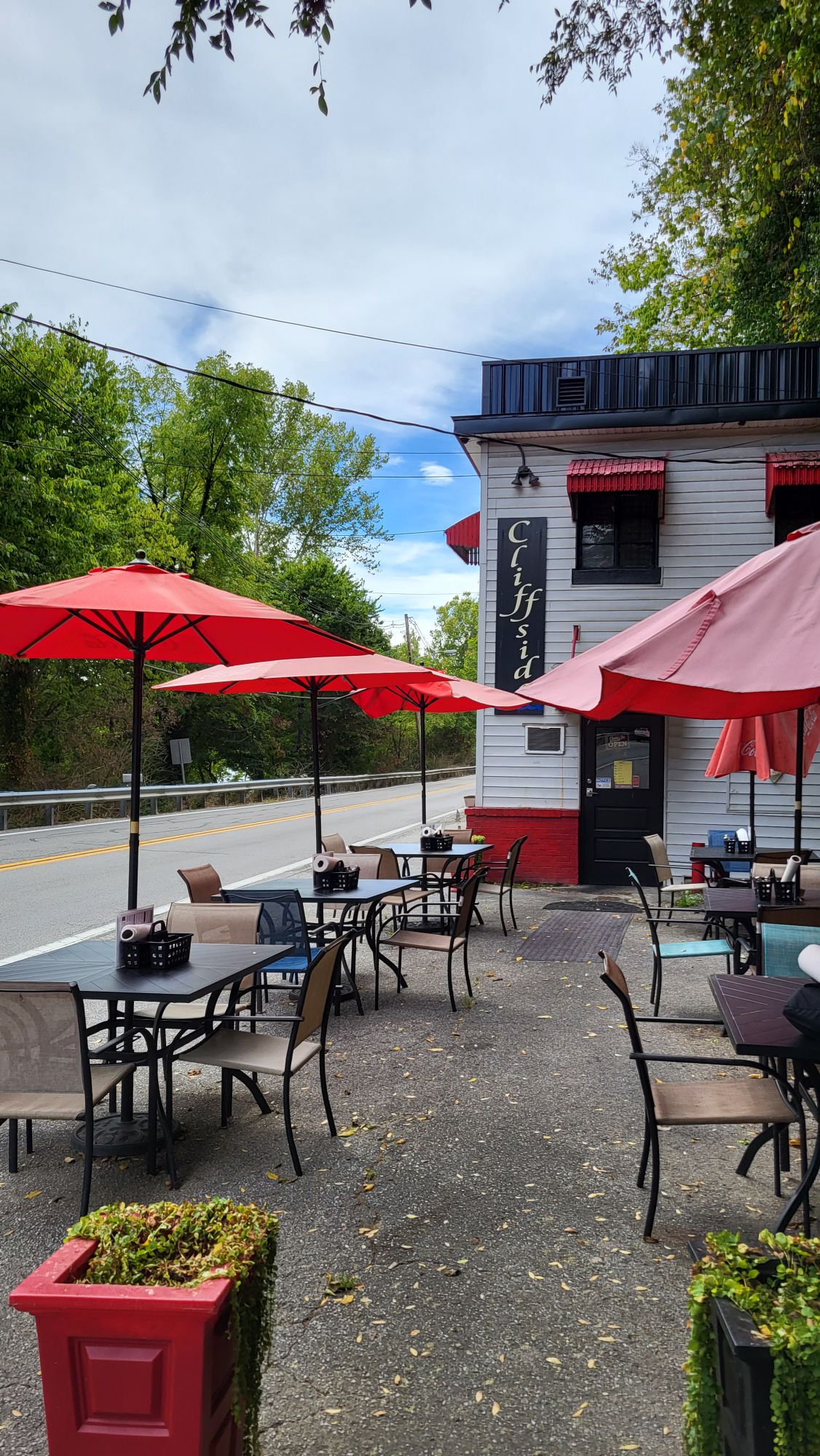
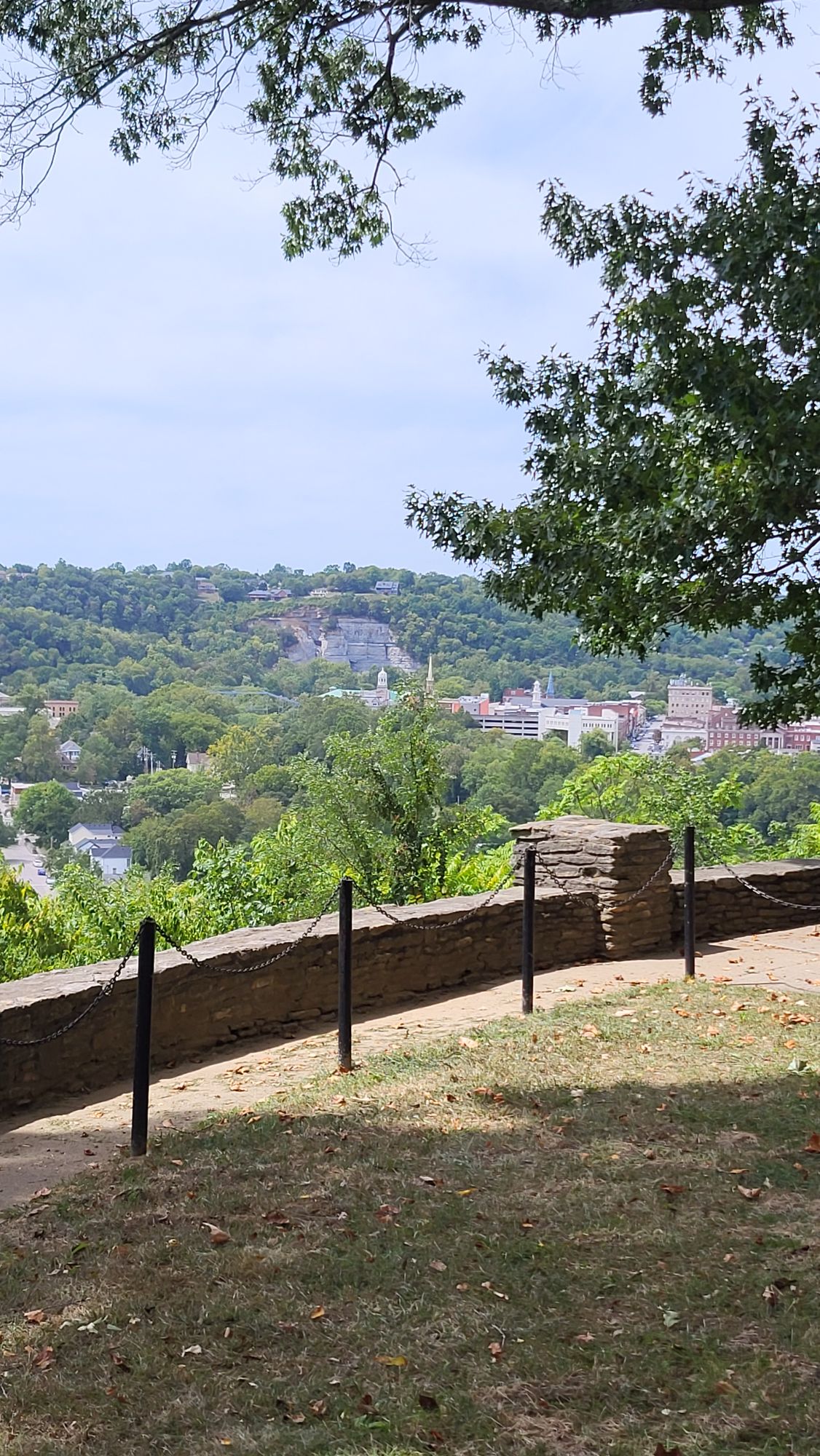
Visiting Frankfort, the capital of Kentucky was a delightful spontaneous adventure. I had a good meal at the Cliffside Diner, walked around the city and the grounds of the capitol and took a trip to the Frankfort cemetery located above the Kentucky River to see the grave of Daniel and Rebecca Boone.
That day alone, traveling around the rolling hills and farmland of Kentucky before the conference and the awards ceremony, was a precious time of reflection, thinking about my life and my career. I remember in undergraduate school how I arrogantly tacked a note to the bulletin board on my dorm room door that stated I would be “Future Teacher of the Year and Winner of the Nobel Prize for Literature.” I never accomplished the first and am unlikely to complete the second, but I have had a grand career as a teacher and a writer. I may be officially retired, but I’ll never stop being either one.
Draper Hall, Berea College — By Parkerdr – Own work, CC BY-SA 3.0
It’s getting real y’all!
On Monday, I leave for the Appalachian Writer’s Conference in Berea, Kentucky. It’s my first time going to Berea and the first time to this conference, so I’m excited. Two of my teacher friends attended and sing the praises of Berea College, which was the first integrated, co-educational college in the South and has not charged tuition since 1892. Wow! What a concept! The conference will be at the Historic Boone Tavern Hotel that stands on the grounds of the college.
What a great place to spend a week thinking about writing and higher education in the South as I work on my teaching memoir and attend sessions about composing, revising, editing, and understanding the business of writing. I also hope to take a trip up to New Castle, Kentucky to the Berry Center, dedicated to one of my favorite writers and educators, Wendell Berry.
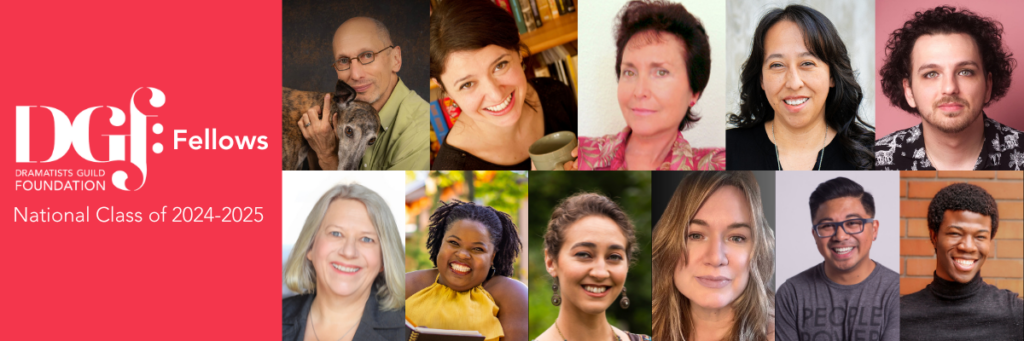
Then, in October, as one of the highlights of my year as a Dramatists Guild Foundation National Virtual Fellow, I will finally get to meet the other fellows and our instructors face to face in New York City, where we will attend the Dramatists Guild Foundation’s annual gala among other activities. I have learned so much during this year and am so grateful for the opportunities to revise and add to my musical A Carolina Story and revisit my satirical work about education in Appalachia: CAMPUS. Getting to meet producers, agents, directors, and actors who are part of DGF is something I never dreamed possible until I became a fellow.
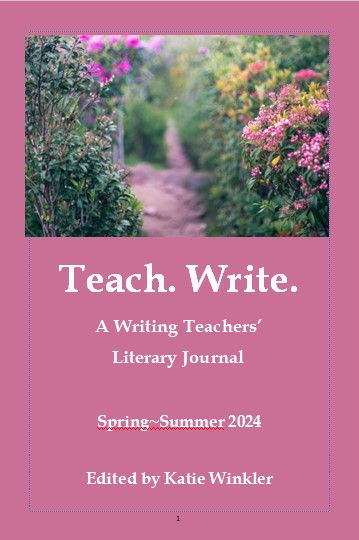
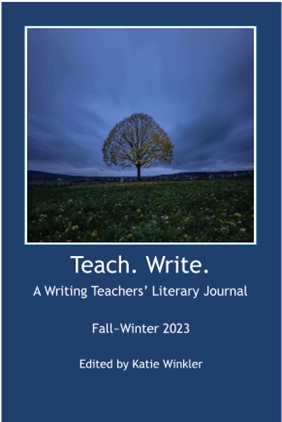
You can be sure that I will update you about both of these exciting adventures. Also, somehow, I will also edit and produce the 2024 Fall/Winter edition of Teach. Write., which now has a new subtitle: A Literary Journal for Writing Teachers. The publication date is still planned for October 1.
August 1, 2023, was my first official day of retirement. I left after 27 years of teaching at a small community college in western North Carolina. Officially, I retired early, but I say I ended my career right on time. Some may say that I was burned out or that I had quietly quit years before, and perhaps both are true. All I know is that I loved teaching, what it really is supposed to be, too much to keep trying to do it with little academic freedom or shared governance. I couldn’t remain in a place that cared more about enrollment and data than individual students and their learning.
Writing and editing, separate from the scads of e-mails I wrote and student writing I graded, are the things that kept me going the last few years of my teaching career. This blog, started in 2014, was the first place I regularly vented my frustrations at the negative changes I saw at my institution. But I also kept my spirits up by writing about teaching itself, some of my victories in the classroom, my memories of great teachers and wonderful teaching experiences I had.
Then, in 2017, after publishing another short story and having published dozens of theater reviews and feature articles for the local newspaper, I realized that risking rejection and criticism by putting my work out into the world not only helped me be a better writer, but it also made me a better writing teacher. I wanted to offer a special kind of professional development opportunity to other writing teachers and Teach. Write. was born. Editing Teach. Write. has been one of the joys of my life and is even better now that I have time to devote to its improvement.
However, even with the blog and the journal, the pressure was getting to me. The worst part of all was realizing how powerless I was to effect any change as I witnessed the autonomy that I had enjoyed at the beginning of my career begin to erode. So, I turned to a writing project that began as a musical but had laid dormant for several years–a satire called CAMPUS.
When it started getting particularly rough, I turned back to CAMPUS and decided, I think with the help of my wonderful daughter, that I wanted to turn my musical into a novel and keep the musical element alive by podcasting it with music. How? How would I do it? First, my daughter, a sound technician, did research on the best podcasting equipment, told my sweet husband, who bought the equipment for me as a Christmas gift. It wasn’t long before I was podcasting this crazy, satirical story about higher education at a small college in western North Carolina.
But not just any college. This enchanted campus has elves, gnomes, moon people, fairy godteachers, vampires, zombies, and a boojum–kind of an Appalachian yeti–oh, and a nazi. CAMPUS is definitely out there, but its weirdness has allowed me to say things I never could have said out loud otherwise. I produced about 13 episodes.
You can go and hear them at most podcasting platforms. Just search CAMPUS: A Novel That Wants to Be a Musical and you will find them. Don’t get too excited–the production value is low because I have no idea what I’m doing, but you know, I’m kind of proud of those episodes. I’m proud of myself for completing them, taking a chance. They helped me survive those last few years of teaching and the isolation of teaching during the worst of the pandemic years.
I want to get back to completing CAMPUS when I finish the other big writing projects on my plate right now, but until then, I will leave you with one of my favorite scenes from CAMPUS, when the discouraged, burned-out faculty makes their debut “Down at the Diploma Mill.”
DOWN AT THE DIPLOMA MILL
At that, in true musical fashion, a slow droning chant arose from across the quad as “They” began to come in. The slow heavy beat of the prison blues, the stomping of feet like the striking of a heavy hammer on a stake. THEM, teachers in ragged clothes and carrying old worn-out books came onto the quad. And they chanted:
ONCE WE WERE SOME BRIGHT YOUNG TEACHERS
ONCE WE WROTE ENGAGING LESSON PLANS
ONCE WE LOOKED INTO THEIR SHINING FACES
OUR STUDENTS WERE OUR INNOCENT LITTLE LAMBS
BUT NOW
BUT NOW
BUT NOW
CHORUS
WE’RE WORKIN’ DOWN AT THE DIPLOMA MILL
LOOKIN’ FOR SOME BRAIN CELLS TO KILL
WE NEVER MEANT IT TO BE THIS WAY
BUT WE GOT NOTHIN’ LEFT TO SAY
DOWN AT THE DIPLOMA MILL
ONCE WE HAD SOME GOOD IDEAS
ONCE WE TRIED TO CHANGE OUR WAYS
WE ALL SHUNNED STANDARDIZED TESTS
TRIED OUR BEST
TO NOT BE LIKE THE REST
BUT NOW
BUT NOW
BUT NOW
WE’RE WORKING
AT THE DIPLOMA MILL
WE’RE WORKING DOWN AT THE DIPLOMA MILL
LOOKIN’ FOR SOME BRAIN CELLS TO KILL
WE NEVER MEANT IT TO BE THIS WAY
BUT WE GOT NOTHIN’ LEFT TO SAY
DOWN AT THE DIPLOMA MILL
ASK AN ESSAY QUESTION
DO A PROJECT INSTEAD
BUT THE DEAN SAID IT WASN’T ASSESSMENT
WE SHOULD GET RETURN ON OUR INVESTMENT
IF IT’S NOT SOMETHING WE CAN CALCULATE
OR THAT’S EASY TO REGURGITATE
THEN IT’S SOMETHING YOU CAN’T DO
DOWN AT THE DIPLOMA MILL
The group begins to hum as they mount the stage and form a line of disgruntled burned out teachers. An old professor in a ragged tweed jacket with torn leather patches on the shoulder, holding a pipe comes to the mic. There is no sign of Dr. DAG. He’s gone off to Dog Hobble to that expensive restaurant only a few residents and the tourists can afford.
The old professor takes the mic as the group hums on. He speaks:
I’ll tell you what I want. Huh, come to think of it, what, exactly, do I want? I used to want to be published in exclusive journals, solicited to speak at prestigious conferences, overseas…in Europe…in Paris, all expenses paid. I wanted to be so valuable to the college I could thumb my nose at the presidents and VPs and deans and especially department chairs like Dr. C. J. Hamilton, who just had to lord over me his award-winning dissertation, the title of which he doesn’t let anyone forget– The Reawakening of Chartism and the Writings of Thomas Carlylse in the Post-Victorian/Pre-Edwardian Epoch.
Do you know what he said when I told him that I had my students all meet me at that great vegan restaurant in Asheville? He said it was stupid! Yeah. My innovative idea! A lot better than sitting around on a bunch of hard chairs in straight little rows listening to Dr. Hamilton drone on and on about Sartor Resartus and Queen Victoria’s increasing seclusion and her fat son’s sickening perversions.
My idea was great! We had a good meal, raised a few organic brews, and it was off to search for the famous O’Henry plaque embedded in the sidewalk near the cafe. We found it. I didn’t tell them that when O’Henry came to Asheville, he was a penniless drunk. How could I tell a group of 20-somethings in a creative writing class that I knew all their dreams would come to nothing?
But then we all drove together over to the Grove Park Inn to find the F. Scott Fitzgerald room. They all wanted to see the place where Fitzgerald didn’t write while he waited for Zelda to slowly lose her mind. We found the room, but I think we had all underestimated the effect of that many beers, organic or not, on our critical thinking skills. We had a hard time finding the room, and when we did and got in there… How did we get in there?
The concierge wasn’t too happy that we barged in on those German tourists. At least one of them was German because I recognized certain select vernacular. Anyway, before the burly one threw us out, I did get a glimpse around the room, a nice room, but ordinary, nothing special about it at all really. I mean why should there be? Fitzgerald just sat there, day in and day out, not writing and drinking himself into mind- numbing oblivion. On second thought, although I can’t tell you what I want, I can tell you what I don’t want. I don’t want to do this anymore.
The Foundation is now an independent organization but was an arm of the Dramatists Guild of America, which I have been a member of since 2006 when I applied. I submitted my one-act play Green Room, a social satire that takes place in the green room of a sleazy talk show. The play had been produced at Blue Ridge Community College in Flat Rock, North Carolina, where I taught for 27 years and from where I retired Aug 1 of last year.
The Foundation continues to strongly support Dramatists Guild members, and I receive regular communications from both groups. Towards the end of my final year of teaching, the Foundation announced it was offering, for the first time, a national virtual fellowship for Dramatists Guildmembers living outside of the New York area. Being accepted was indeed a long shot, but with the help of my theater friend and mentor at the college, who had directed all of the four plays I had produced there, I decided to apply.
I submitted sample pages and music from my play A Carolina Story, applying for a position as a musical theater fellow. The play, a re-telling of the Story of Job set in Western North Carolina during the depression, had been produced at Blue Ridge about ten years ago, but I have long wanted to revise and revive it. I also thought it was the best fit for the national fellows program as it represents Appalachia and its unique often misrepresented culture. Quite a few months went by, my retirement began, and I thought nothing more about the fellowship. Then, in November I found out I was a finalist, by December, I was in!
Since January, the fellows from all over the country have been meeting for two-hour workshops as well as critiquing each other’s work and encouraging each other. I have exchanged my play with four talented playwrights so far, learning so much from just reading their works, but also getting invaluable feedback about my play. Best of all is being around people who are so different but are united by the love of words and the theater.
Being a fellowhas put me back in the position of a student but has also allowed me to use the teaching skills I worked so hard to develop as a college instructor, especially when giving feedback to the other fellows. Discussing my work with other professional playwrights was at first intimidating; I thought I was out of my league, but now I realize that although my play needs improvement, it holds its own. It has promise.
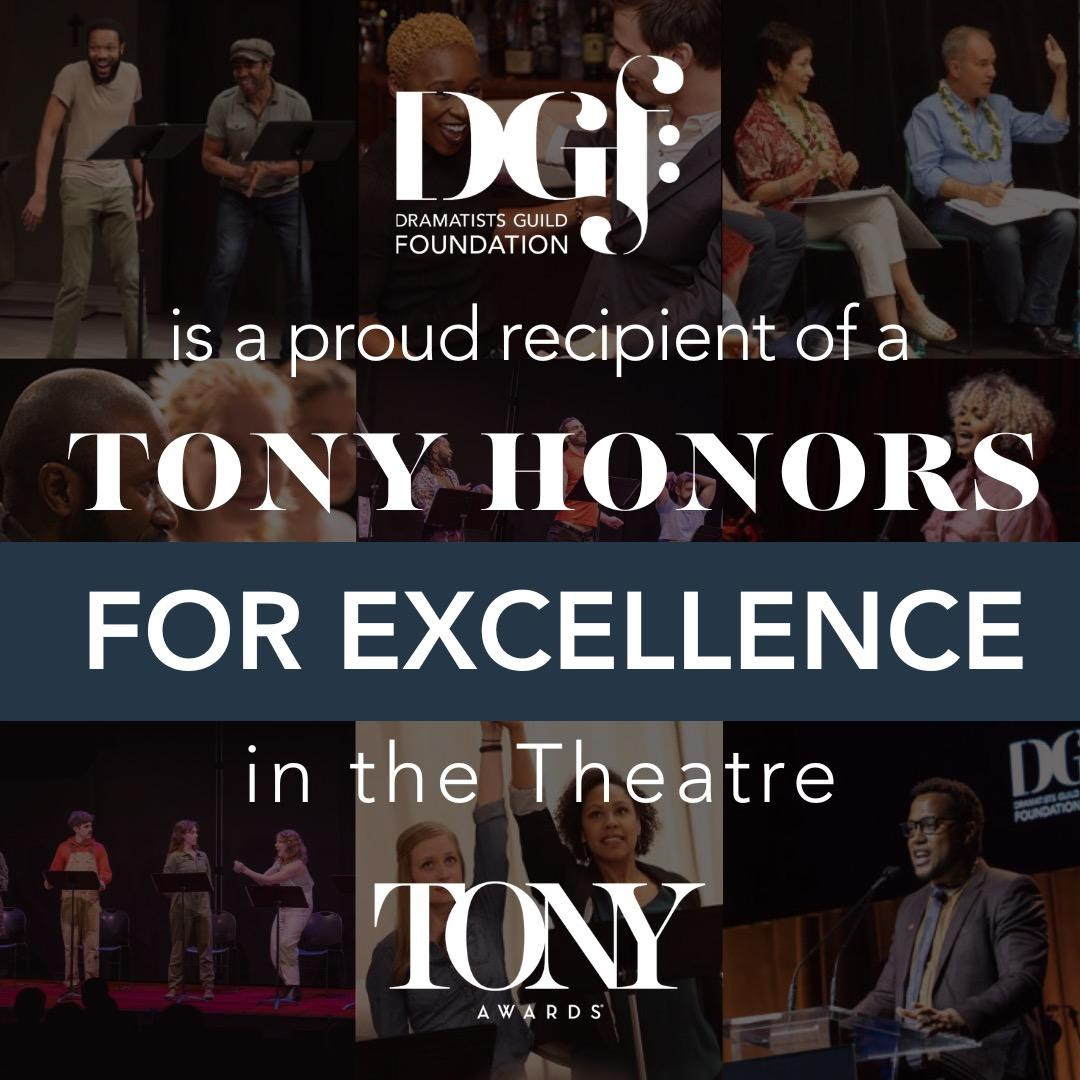
I am honored to be a part of the Dramatists Guild Foundation’s inaugural 2024-2025 National Virtual Fellowship program and congratulate the Foundation on receiving its well-deserved TONY!
We suffer from distractions. It’s not only the high tech, although that is definitely a problem – our phones and computers and endless entertainment sources and open AI and, and, and. More than anything else, we are distracted by our concerns. No, our worries. Perhaps it makes us feel virtuous to worry, to endlessly bemoan the failings of others and how they are leading us all down the path that leads to destruction. After all, if we can distract ourselves with how the world is going to hell in a handbasket, maybe we won’t have to look into our own souls and search for the true sources of our problems.
Lord knows I’m guilty. If I worry enough about how this current election will affect education and talk about it enough with friends, then I can distract from the fact that I promised myself I would finish my teaching memoir this first year of my retirement and that I would work diligently on making the most use of the Virtual Playwriting Fellowship the Dramatists Guild Foundation awarded me.
Of course, I don’t call it worrying; I am “concerned,” so my worry becomes something good, right? My other distractions, including social media, are being used, I tell myself, to help raise awareness and guide people toward good things. And it is good if I stay focused, but if I’m honest, I don’t. I start out with those good intentions and slip on down the road to you know where.
In Book XII of C. S. Lewis’s great satiric epistolary novel, The Screwtape Letters, the uncle demon Screwtape advises his nephew Wormwood about the value of distractions to keep the new Christian, no longer in danger of the fires of hell, from being too effective.
You can make him waste his time not only in conversation he enjoys with people whom he likes, but in conversations with those he cares nothing about on subjects that bore him. You can make him do nothing at all for long periods. You can keep him up late at night, not roistering, but staring at a dead fire in a cold room. All the healthy and outgoing activities which we want him to avoid can be inhibited and nothing given in return, so that at last he may say, as one of my own patients said on his arrival down here, “I now see that I spent most of my life in doing neither what I ought nor what I liked”. The Christians describe the Enemy as one “without whom Nothing is strong”. And Nothing is very strong: strong enough to steal away a man’s best years not in sweet sins but in a dreary flickering of the mind over it knows not what and knows not why, in the gratification of curiosities so feeble that the man is only half aware of them, in drumming of fingers and kicking of heels, in whistling tunes that he does not like, or in the long, dim labyrinth of reveries that have not even lust or ambition to give them a relish, but which, once chance association has started them, the creature is too weak and fuddled to shake off.
You will say that these are very small sins; and doubtless, like all young tempters, you are anxious to be able to report spectacular wickedness. But do remember, the only thing that matters is the extent to which you separate the man from the Enemy. It does not matter how small the sins are provided that their cumulative effect is to edge the man away from the Light and out into the Nothing. Murder is no better than cards if cards can do the trick. Indeed the safest road to Hell is the gradual one—the gentle slope, soft underfoot, without sudden turnings, without milestones, without signposts,
So, whether it be pleasure or worry that distracts us, in the end all that will matter is that we have not acted as we should have or wanted to. It is right that we be concerned about extremist candidates running for state superintendent, about school board meetings becoming violent, about indoctrination coming from the right or left, about unwarranted censorship or the lack thereof, but it is wrong of us to see problems where there aren’t any or to let our fears and worries distract us from what you (talking to teachers now) are supposed to do–TEACH.
Until the last two years of my teaching, I worried constantly about ambiguous mandates coming down from the administration. Often, they didn’t apply to me but nevertheless distracted from my teaching. I would get upset, argue, discuss whatever it was endlessly with my colleagues in their offices. The thing is I didn’t need to worry because most people in the administration were simply passing on what had been mandated to them, having little hope that, for example, yet another restructuring of developmental education would fix the problems that the previous restructuring just a few years before had not fixed or made worse.
All my “concern” did not help me teach those developmental classes effectively. The only thing that helped was buckling down and embracing any sound ideas and finding ways around the silliness, or simply ignoring it. For example, when the state mandated that instructors should not use fiction or essays written in first-person to teach reading and writing, I was flabbergasted, ready to fight this nonsense tooth and nail at the conference I went to explaining the new curriculum. However, low and behold, almost every session at the conference included sample readings that were either essays written in fir st person or fiction. These teachers were fantastic, and their lesson ideas were great. I adopted some of them. No one seemed to notice these teachers were ignoring the mandate, including the people who had cobbled together the new curriculum. I didn’t have to fight.
Now that I’m retired, I can see that I wasted a lot of time and caused myself undo stress by allowing myself to be distracted by administrative bloat and broad, ambiguous criticism. All I can do now is say to young educators, please don’t be like me: don’t turn your teaching world upside down with every pedagogical or andragogical wind that blows. It’s not worth it. Pick out the good ideas and incorporate them, change when you need to, learn new technical skills that enhance your teaching, use old ideas that have worked for you before, and trust yourself.
Teaching is a craft. You should always be open to improving it; however, teaching is also an art, most successful when it is creative and engaging, when it takes risks, when it moves onto the fringes and beckons students into the glorious realm of ideas.
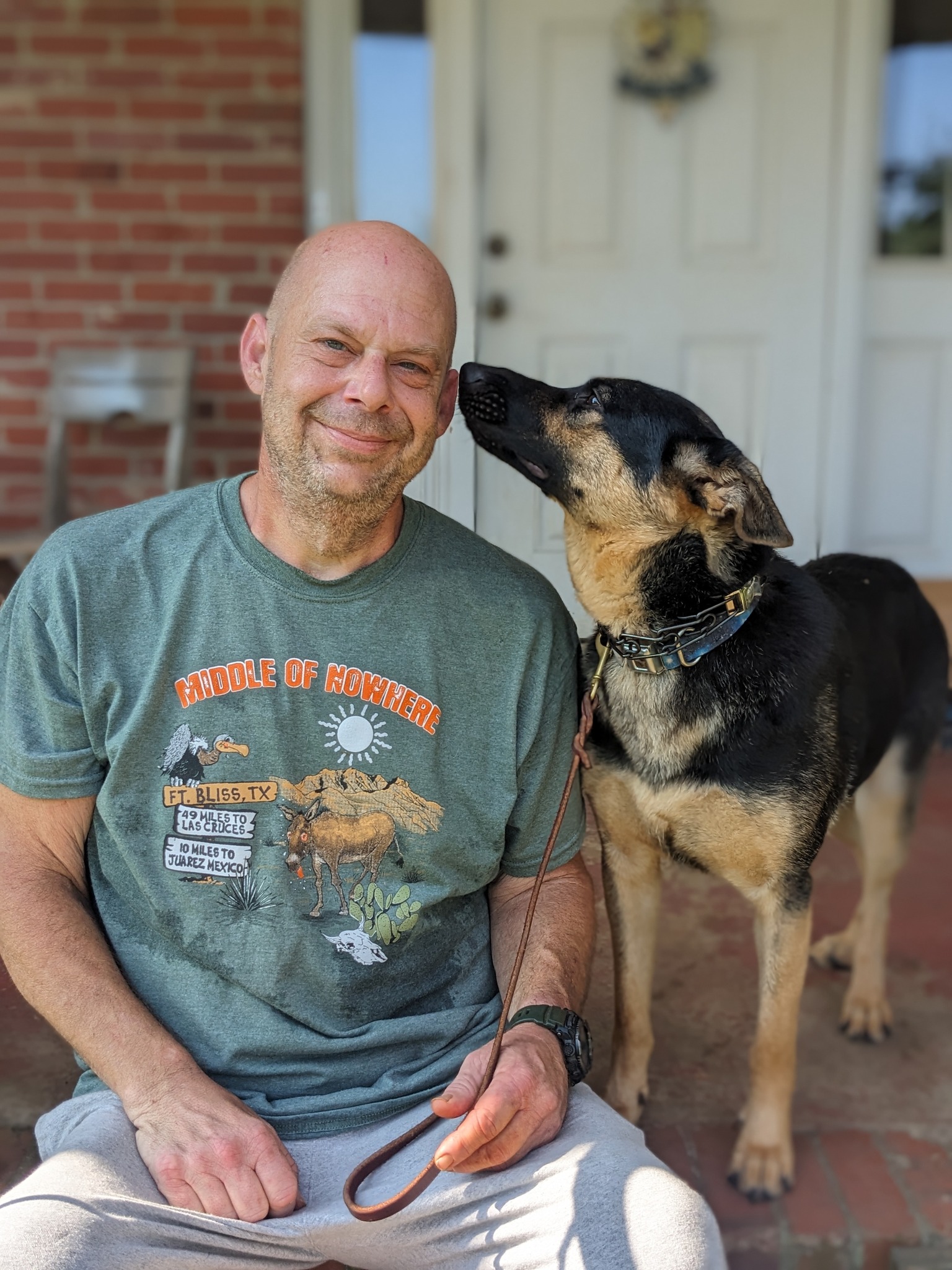
As a much older, bossy sister, it is hard to admit that my baby brother has been such an influential teacher to me for half a century. But, the past few weeks, as he has endured serious health issues, including emergency open heart surgery, I have been reminded of some of the strengths he’s demonstrated time and time again, including adaptability, persistence, and most of all, resilience.
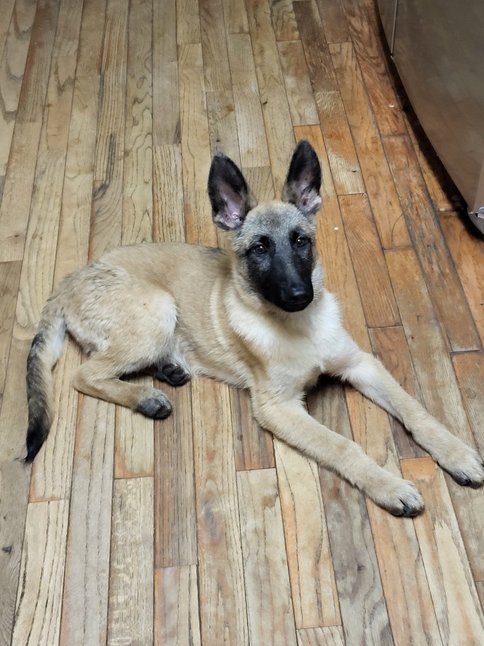
My brother hasn’t chosen the easiest path to make a living: he breeds and trains working German shepherds. He started the business when he was still in undergraduate school at Auburn University and grew it through many years of struggle as he was working on his master’s in liberal arts at Auburn University-Montgomery. While there, he focused on media and computer studies that have all been helpful in conducting his business, which included creating and maintaining his website: Schwarzerhund.com. His dogs are some of the most intelligent, powerful, and beautiful creatures you will ever have the privilege to meet.
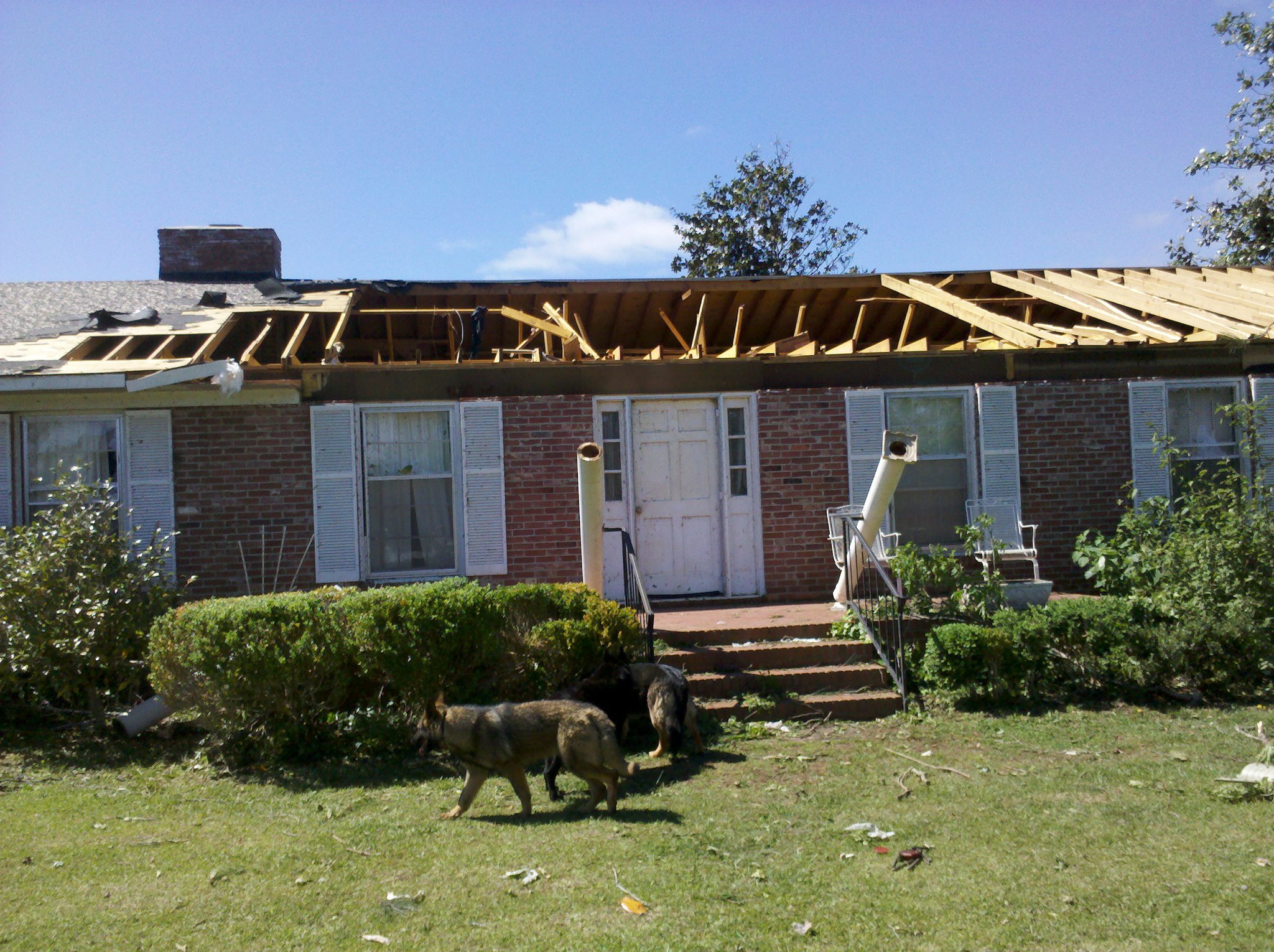
My brother is no stranger to adversity. On April 27, 2011, less than two weeks after the death of our sister Ronda and the evening of the day he defended his master’s thesis, Rob’s trailer, right next to my parents’ house, was destroyed by one of the EF-4 tornados to strike Alabama during the historic super tornado outbreak that year.
What was left of the trailer after the tornado–photo by Katie Winkler
Around 10:00 pm, my brother had fallen asleep in front of the television and did not hear the news of the approaching tornado. He did, however, hear the tell-tale sounds of wind rushing like a locomotive bearing down on his vulnerable home. He and the young German shepherd he was caring for sprinted across the lawn to my parents’ house. My mother, also unaware of the approaching tornado, had just locked the door when Rob started pounding on it, yelling, “Mom, you’ve got to let me in or I’m going to die.”
He made it inside, but as soon as my mother closed the door behind him, the tornado struck. My brother recalls how they could hear the roof creaking and giving way as half of it was sucked up into the vortex. Somehow, they made it to the hallway, where they met my father, who had mobility issues due to diabetic neuropathy, coming out of his bedroom. They headed to the bathroom and stood huddled in the tub waiting for the storm to pass, which it did shortly after.
They were safe. That was the main thing.
The family home after the tornado
However, the damage was extensive; my brother knew that, but he didn’t have time to fully take stock of everything that happened. Once he made sure my elderly parents were in an undamaged room of the house and safe, he found the house’s insurance information, but of course the phone lines were out, and at that time, cell coverage was spotty at best in that area of Chambers County, one of the poorest in the nation.
So, he called his big sister. At first my husband and I couldn’t hear much, but made out the word tornado, and looked on the Weather Channel’s website to see the news of the huge storm. The radar showed the cells all over Alabama. We were helpless, though, until Rob was able to navigate around all the fallen trees and drive close enough to a town to get cell reception. Because of Rob’s quick thinking, I was one of the first to call and inform the insurance company of the disaster, so my family was able to quickly receive help.
About two months into the rebuilding–June 2011
Rob made a few other essential calls and then headed home. When he drove up to the house, the dog that had followed him from the house across the yard, that he thought was lost in the storm, came running up to him unharmed. She must have been able to get under the house. That was the first of many miracles that kept him going in all the many months following the tornado.
To my credit, I did do my share, helping out as much as I could, especially with my parents by securing a place for them to live while the house was being rebuilt and visiting as often as I could, but it was my brother who adapted his entire life in order to manage the property and his business after the storm. He stayed at the farm, at first sleeping under the carport in a recliner with a shotgun to ward off looters while protecting and caring for his beloved dogs. Of all the dozens of animals he cared for at the time, he didn’t lose any in the storm itself, and only two died as a result of injury and trauma–A miracle that such a powerful storm did not take more lives.
The Family Home Today
To my discredit, however, I did try to play the big sister at one point. I admit that I got pretty bossy and critical during that time, and my little brother finally had enough. He told me, “Katie, you’re going to have to make a decision. You’re either going to have to come down here permanently and run the show, or you’re going to have to trust me to do it.” I learned two valuable lessons that day: Number 1–Little brothers grow up and become men. Number 2–People have to be given a chance to handle things their own way–they have to be trusted.
That last lesson really helped me as an instructor to adult students. I learned that I was actually hurting my students if I gave them too much direction, if I didn’t allow them to discover things on their own, even if they had to experience painful trial and error. That’s the only way we really learn anything. During the years of recovery, my brother made some mistakes, but he pulled through and has brought the farm and his business back from the devastation of the tornado, a credit to his tenacious spirit.
One of Rob’s beautiful puppies.
This last trial that my brother has been through, enduring sextuple heart bypass surgery, has once again proven his persistence and resilience, his ability to adjust and adapt his best laid plans. Also, in the midst of that, he has maintained an optimism that defies his circumstances. He has shown humility and gratitude, allowing medical professionals, friends, and family to enter into his private world and help him. This is easier said than done for an independent introverted bachelor, but he has done it and has grown as a person as he has adapted to his new reality.
I took Rob to his first doctor appointment with his primary physician following the surgery, and his nurse read from the cardiac ICU report. It said, “Robert Whitlock is a 54-year-old male and a very nice man.” An understatement. He’s also the best little brother anybody could ask for.
Total honesty. I wasn’t really looking forward to the North Carolina Writers’ Network fall conference as much as I have in the past. I’m not sure why, but I think the main reason was my inner critic. I guess sometimes I don’t think I deserve to call myself a writer. I know I am one, but, oh, I don’t know what I mean. I think I should have had a book published by now, I suppose. I have had many short stories published. I’ve had four plays produced, I blog, I edit and publish a journal, but….
But, but, but, but…why do I do this to myself?
Anyway, this is the way I had been talking to myself BEFORE the conference.
First, thing, though, I saw two writer friends whom I hardly ever see except at writing conferences. We talked about our writing, got caught up on life events, our families. We ate several of our meals together and chatted about what we learned from the sessions we attended. I always feel so much better when I get together with other writers. They get me. So, they totally understood why I was so happy to find out that my play “A Carolina Story” made it to the finals for the Dramatists Guild Foundation’s Virtual Musical Theatre Fellowship.
I was also glad I went because of the quality faculty. All my sessions were led by people with the knowledge, experience, and wisdom that I was looking for. Most memorable was the session on writing books of essays led by Patrice Gopo because it helped me get a breakthrough about how I want to structure Lessons, the teaching memoir/methods book that I’m working on. I can’t wait to read her book Autumn Song to see how she applied the techniques described in her session.
Another great thing that happened is I met one of my contributors. He walked up to me and introduced himself, saying how much he appreciated my acceptance of his work for the last edition of Teach. Write. Especially meaningful was how he thanked me for giving teachers an outlet for their work. Man, made me feel good.
Finally, I just had fun. I was relaxed. It was the first conference I attended without having to worry about checking work e-mail in between sessions or getting behind in planning classes, maintaining online courses, or grading essays. It was glorious to use my break just to walk around the little lake by the conference hotel on a glorious autumn day.
If you’ve never heard of the North Carolina Writers’ Network, then I encourage you to check it out. You don’t have to live in North Carolina to be a member. The thing I like most about it, as I rediscovered this past weekend, is that it is a true network of writers, and more than a few teachers, who teach and learn from each other, who understand the struggles and triumphs of the writing life.
When state performance measures came out this year and the Credit English Success (p.7) rate was below the average band, my first instinct was to become defensive. “It’s not my fault!” I wanted to scream and quickly blame someone else. Another instinct was to point the finger at society’s focus on data. However, after the initial flare up of self-protection, I calmed down and began to reflect more completely on the entirity of the report, which helped to put things into perspective. I want to be prepared to offer suggestions for improvement should anyone ever show any interest in what a retiring English educator with 33 years of experience thinks.
Although our college is considered below average in Credit English Success, we are above average in College Transfer Success (p. 17.) This is encouraging to me because it says that despite extraordinary circumstances such as the pandemic with its accompanying economic and cultural effects, our students who transferred to four-year institutions were well-prepared to continue their education.
Another encouraging factor is that while we are below the average band, only by .03 index points, I know we, and I don’t mean just the English department, I mean the entire college, WE can do so much more to help our students perform better in their English classes. One thing is already in the works, and that is a push to encourage, or even to require, students to take their English classes early in their programs. However, there is more that we as a college can do to help improve College English Success. Here are a few ideas:
Normalize high standards for reading and writing. If students heard from every instructor across divisions how important reading and writing well is to success in school and the workplace, and if instructors incorporated more reading and writing assignments in all classes, our scores would go up.
Improve the writing assessment skills of instructors. Although most instructors have advanced degrees in their subject area and are experts in writing within their discipline, few have had any formal education on how best to assess reading and writing skills. Understanding ways to incorporate reading and writing assessments within instructors’ particular divisions based on the writing assessment techniques already used in the college’s English department would be a way to permeate all programs with a consistent standard without violating any instructor’s academic freedom. Topics of professional development could include
incorporating vocabulary and other reading lessons into any course
adding consistent writing criteria into advanced grading methods such as rubrics, checklists, and marking guides.
composing engaging writing assignments with clear instructions.
teaching best practices of composition teachers and explore how to translate these techniques into the non-English classroom
how to save time when grading written assignments while maintaining high standards of written communication
Promote the importance of communication skills throughout the College, maybe even plan special events that highlight the importance of reading and writing in all disciplines. Many organizations are eager to partner with community colleges, groups such as PEN America and the National Writing Project that declares, “Writing is essential to learning, critical thinking, and active citizenship” (NWP).
Across the campus, teach not only students but also faculty and staff the importance of strong reading and writing skills for school and for the workplace. Here are just a few facts.
Reading well improves the ability to follow instructions, and reading complex texts, like literature, peer-reviewed scholarly articles, and professional journals, increases critical thinking, a skill highly prized by today’s employers according to World Economic Forum.
An August 2022 article from Business News Daily, reports on the professional benefits of reading books, fiction as well as non-fiction, including fostering empathy and creativity as well as developing problem-solving and cognitive skills. According to the article, reading can even lessen stress and build perseverance, skills students definitely need now and in the future. Imagine if all instructors were curating interesting and engaging readings for their students. They would be expanding their knowledge of their own disciplines while encouraging their own students to develop their reading skills.
The importance of strong communication skills in the workplace continues to be of high importance in 2022 as reported by major educational institutions like Harvard and MIT as well as career-seeking sites, such as Indeed, Monster, Zip Jobs, and Linked In.
Another thing we can do to work on the problem is to develop a college-wide system for remediating students who need extra help with their writing. For example, when I was a graduate student at Western Carolina University low these many years ago, I worked as a graduate assistant in the Writing Center. I would often tutor students who had received a “CC” on their essays in a course other than English. I can’t remember what CC stands for after all of these years, but I do remember that professors gave CC’s to essays that did not meet basic college-level English standards. Students who received two CC’s would be enrolled at no expense in a remedial English program. The word was that no student wanted to endure that class, so they would come to the Writing Center for help. I remember receiving a thank you note from one grateful student whose scores on all of his essays improved upon just a few visits to the Writing Center. Our college might do something like this–develop a system to identify students in non-English classes who have writing issues and allow them to complete revisions for a higher grade only if they visit the Student Success Center to work on that revision. We already have a referral system in place, but if all instructors could be more proactive in addressing the need to improve writing skills campus-wide, then our success rates would increase.
Just a few ideas of what the college as a whole could do to improve our English scores. Next time on Hey, Mrs. Winkler I’ll offer some suggestions on ways the administration can help English faculty as they struggle to help improve retention and success for our students.
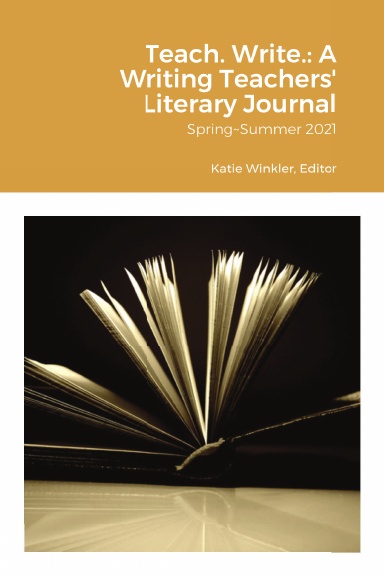
May 7 will be the last day of the spring semester for me, and I am looking forward to a summer of reading and writing. The last few weeks have been filled with taking care of my mother who was hospitalized in March and then getting caught up with school work after taking time to help her. I still managed to get the Spring~Summer 2021 edition of Teach. Write out, though. Yay me. You can find links to both the online free version and order copies of the print version here.
However, I have had to put off working on CAMPUS, my podel (podcasted novel). I just haven’t had the time, but I have seven episodes in the first season that you can listen to here. My plan is to have the first episode of the second season published no later than Sunday, May 9. That is if all goes well. I have a lot of grading to do between now and then.
CAMPUS: A Novel That Wants to Be a Musical features gnomes and fairy godteachers. Yes, it does.
It has been a strange semester for me, not just because of the pandemic, but also because I have had so few students. Most semesters in the past few years I have had over 100 students in five or six classes. This semester I have half that number, and I am finally able to be the kind of writing instructor I wish to be. I am taking a professional development course about improving online instruction and in the course, over and over again, the material emphasizes the importance of personal relationship when teaching online.
How can this kind of relationship be developed when teaching so many students? Only when we begin to value the individual student over sheer numbers can we really begin to help our most needy students. I don’t know if I will be able to finish out my career teaching fewer students, but I know that if I can, I will be a better teacher, and my students will truly reap the benefits.
Change the subject
My mother and I were able to talk quite a bit once she was home from the hospital and started feeling better. I was working on one of my classes and describing some of my my methods to her. She said I should write a book about my teaching methods when I retire.
I kind of like that idea.
I have a great many plans for my retirement.
Dreaming of what I might do when I’m free keeps me going.
I don’t know how much I will be able to write between now and May 7, but I’ll be back, and so will CAMPUS.
Last ten days of classes begin tomorrow. Summer can’t come soon enough.
I am a Type II diabetic. My husband is a health care worker. He has been fully vaccinated for over a month but is aware that working where he does he still might be a carrier of Covid-19. I had my first vaccination, made possible by my workplace, for which I am grateful, over a week ago. I will receive the second dose on March 30.
Because of my medical condition, I have been allowed to teach asynchronous and synchronous online classes this semester. I did not request this but am thankful that the dean in my division saw to it that I, as a person vulnerable to complications of Covid-19, had the choice to telework if I did not feel safe coming to campus.
In the fall of 2020, I worked from home most days, only going onto the campus to serve an hour in the Student Success Center to relieve my colleague so that she could have a lunch break. I volunteered to go on campus for that time. This semester, I have volunteered to work two days in the Student Success Center. I voluntarily treat these days as normal work days, usually arriving around 8:30 or 9:00 am.
Yesterday was one of those days. I came in later than I usually do, around 11:00 to serve a scheduled office hour, then in the Student Success Center, then mentoring a new faculty member, grading papers, a trip to the mailroom to pick up the posters for advertising this semester’s theater production. A break for lupper (lunch and supper) at 4:30ish and then back to my office for grading at 5:20 until rehearsal for the play (I play Shakespeare and the Duke of Ephesus–you should see my costume) until around 8:00pm.
During that time, one of my colleagues, who works in marketing, came to take pictures of all of the actors in costume. I was released after I and my fellow Shakespeare/Duke were photographed. (Our director double casts when needed so all who audition can have a chance to act). Other student and community actors, crew, director, and photographer were still there. I got home around 8:35 and talked to my husband a few minutes, but he was on call at the hospital, so he called it a night, hoping not to get called in. I stayed up a while longer to do my daily yoga routine, and check student e-mail one more time. I also have decided to learn Italian! I am using duolingo, a popular language-learning ap, to do so and also use the ap to brush up on my German. (I have a degree in German, but use it or lose it, they say).
Thursday, March 18, 2021–Today is a day I telework.
7:00 am–Rise, washed some dishes I was too tired to wash last night, made breakfast for my husband and me. We were both glad that he didn’t get called in last night.
7:50am–Ate breakfast and drank coffee while my husband read the weather and some amusing news to me. We chatted and laughed some. He always can make me laugh.
8:03 am–Started checking work e-mail. Answered two student messages made late last night. Skimmed a New York Time’s article by Judy Batalion called “The Nazi-Fighting Women of the Jewish Resistance.” Batalion lives in London and did her research for the article in The British Library. Oh. Tie into British Literature II. Filed the article to read more in depth later, knowing that I probably will not ever have time. Until summer.
8:10–My husband read a snippet of news about a man buying a porcelain bowl for $35 and how it sold at auction for $720,000. Lesson learned–Don’t underestimate anybody’s value, including your own. Continued checking mail.
8:20–Started checking in on my professional development class–a microcredential provided by the State of North Carolina through the Association of College and University Professors to faculty teaching the new RISE (Reinforced Instruction for Student Excellence) courses. I and a colleague have volunteered to take the course. No cost to the college, no cost to us. Plus, even though the course has just started, I am learning a great deal about improving online teaching for the special demographic of developmental students that I teach.
As I started checking this course, I got the idea for this blog post, so I took the time to set up the blog post, and write up my notes so far.
9:13–Break to walk up and down the stairs (to satisfy the fitbit monster), get some more coffee (to satisfy the caffeine addiction), and do other necessary things, like get dressed, make the bed, and clean my C-Pap equipment (I have severe sleep apnea–another reason I am high risk for complications due to Covid-19).
9:31–Checking in with my prof. dev. course will have to wait, but I have completed most assignments already and have until March 21 to complete the remaining two, so all is well. Good to know how my online students feel, though.
9:32–Checking e-mail again and prepping for my co-req courses.
9:47–All seems to be in order for today’s classes. I have two synchronous online classes on Tuesdays and Thursdays. I like working from home on these days because I can save time not having to get ready and drive to work. Then, there are the unavoidable frequent interruptions and distractions while at work. On these days when a big chunk of my day is in the virtual classroom, it just is more efficient for me to be at home.
During the few minutes of uninterrupted time, I was able to see that we are covering how to write sentences more concisely–ah, efficiency seems to be the word of the day, doesn’t it? I was also able to send a reminder through course announcements about the Collaborate session today and what we will be covering.
9:53–Checking my 11:00am class’s grades. The course I teach at 11:00 is ENG011–Writing and Inquiry Support. This class is relatively new and part of the Reinforced Instruction for Student Excellence (RISE) program that is offering the professional development class I’m taking. I think it’s a great idea, but it is too early to tell if RISE will work or not. I am seeing good results early on. (This is only the second time I’ve taught the co-requisite class, which is a support class for first-semester freshman composition students.) I am grateful to my immediate supervisor and my colleague who is the RISE coordinator for allowing me latitude to use my many years of experience with developmental education to develop, assess, revise, and re-assess the course, using my best judgment as a composition teacher for over thirty years while in accordance with the requirements of the State’s expectations. This is the fourth redesign of developmental classes since I began teaching at the college where I now work, all state-mandated.
I see that none of my students in ENG 011 are in danger of failing my class. I have been concerned about the performance of two students, however. I met with their instructor on Monday of this week to see how they are doing and to discuss strategies for their improvement. This is a best practice, according to the RISE training provided by the RISE coordinator at my college.
10:04–Checking to be sure that all grades, including zeros for work not attempted, have been recorded.
10:10–All looked good, so I will take another short break to walk up and down the stairs and put in a load of laundry.
10:22–Checking the grade book for my other ENG 011 class that will be at 2:00pm today.
10:30-Checked and saw that two students I have been concerned about continue to struggle. I talked with the instructor of one student earlier this week. After my 11:00 class, I will check the system to see who is English instructor is and shoot him or her an e-mail to set up a time to discuss the student’s performance in the ENG 111 class. Will take one last short break before logging on to class. As a diabetic, I need to have a snack at this time to keep my blood sugars regulated.
10:45–Logging onto the Collaborate session for my 11:00am class. Some students arrive early, so I like to be in the session to greet them. This class lasts until 12:20.
12:20–Class went well. We discussed the importance of writing concisely, which is a common issue with developmental English students who are often reluctant to write and will “pad” their writing in order to meet minimum word or page numbers. I like to use a handout I have found from UNC-Chapel Hill’s writing center to aid in my instruction: Writing Concisely. Then, I showed the students how to format their documents correctly using MLA8 formatting, which is standard in our English classes at Blue Ridge. I have found that developmental students often struggle with some of the details like this because they don’t see their relevance to their everyday lives, so while I am showing them how to format, I am also giving them my explanation of how following directions precisely and paying attention to detail is an important “soft skill” no matter what courses they study or profession they enter.
12: 21–Checked my e-mail and answered a long e-mail from a disgruntled student. It took some time to find the right tone to rectify the situation. As always, I offered to meet with the student, virtually or in person, to discuss the situation further. I find that this is a good way to avoid the “e-mail wars.” Sent an e-mail to that student’s ENG 111 instructor to be sure all was well in his class and to inform him of the student’s issue.
1:00–lunch break
1:25–Checked e-mail again. Read the newsletter from the president of the college and other e-mail. Walked up and down the stairs a few times. Put clothes in the dryer.
1:40–Texted my daughter to see if she wants to go walking at the park this afternoon since the rain stopped and the sun is out.
1:45–Launched the Collaborate session and waited for students to arrive. Prepared to withdraw an ENG 011 student who was dropped from ENG 111 as required. I’m sorry about that. I think he was getting something out of my class. He was one of my most faithful attendees. One of my student’s who has been struggling came into class first and said he was thinking of withdrawing, that he is having trouble engaging in the online format. We discussed his options. I have heard this often from my students over the past year. Online learning is not for everyone. On the other hand, I have many students who never thought they would like online learning who are thriving–one of the main perks is the flexibility. Also, because of the pandemic, students are improving the skills necessary to be successful in an online environment.
2:00–Began the Collaborate session. I only have a few students in this Collaborate class, but we had an excellent class with true engagement. All explanations were made and students completed the work during the class time allotted, which is one of the State’s requirements for the co-requisite class. I like this because the support class should not add an inordinate amount of work to students who are already struggling to complete work in their ENG 111 class.
3:20–Drove to the park to walk with my daughter. It was wonderful. She is a delight. Just the break I needed.
4:45–Returned home and checked e-mail. Returned an e-mail from a student and one from a colleague.
5:00–Called the theater instructor to tell her that my daughter had volunteered to help with some of the short videos mentioned at rehearsal yesterday. She said she was just finishing up doing some re-writes of the script to eliminate the need for the videos that seemed like a good idea but were just going to be too time-consuming. I and the other Shakespeare/Duke will be doing some of the interludes she needs between scenes. She will discuss it some more with us during rehearsal on Monday.
5:26–Checked e-mail again. Nothing new. Prepared supper–Because it was pretty out and lighter later, I grilled some chicken, summer squash, and zucchini. My husband came home while I was grilling. While he relaxed a little, I finished grilling the food and completed some German exercises on the duolingo ap while I watched over the food. John and I enjoyed the dinner and a little time together.
CAMPUS: A Novel That Wants to Be a Musical
7:25–Checked e-mail again. Noticed that I have more notifications for postings for my professional development course. Decided to grade some papers before I look at the postings by my fellow students.
8:40–Called my mother in Alabama. She had to go to the emergency room on Friday and still didn’t have tests back when I called earlier in the week, so I called to check up on her. She is better, thank goodness, but doctors still haven’t gotten down to the root of her problems. I hope when she sees her doctor on Monday they will be able to find out what’s going on.
9:30pm–Made an appointment with a friend to go walking. Checked work e-mail one last time. No e-mails from students. Going to check on my professional development course in the morning. Tuckered out, as my Great Aunt used to say, and going to bed.
10:12pm–I lied. I wanted to finish up this blogpost, and so it is now almost 45 minutes later. I also started thinking about my podcast. I had hoped to put out an episode a week, but now that I have started the two new 8-week courses, the grading load is just too heavy for me to get the work completed during normal working hours. I know I will have to grade some tomorrow and over the weekend, but I don’t have rehearsal on Saturday, so maybe I can squeeze in working on an episode of CAMPUS and get it out by Sunday evening.
























 Hey, Mrs. Winkler!