Upon Re-Reading Animal Farm

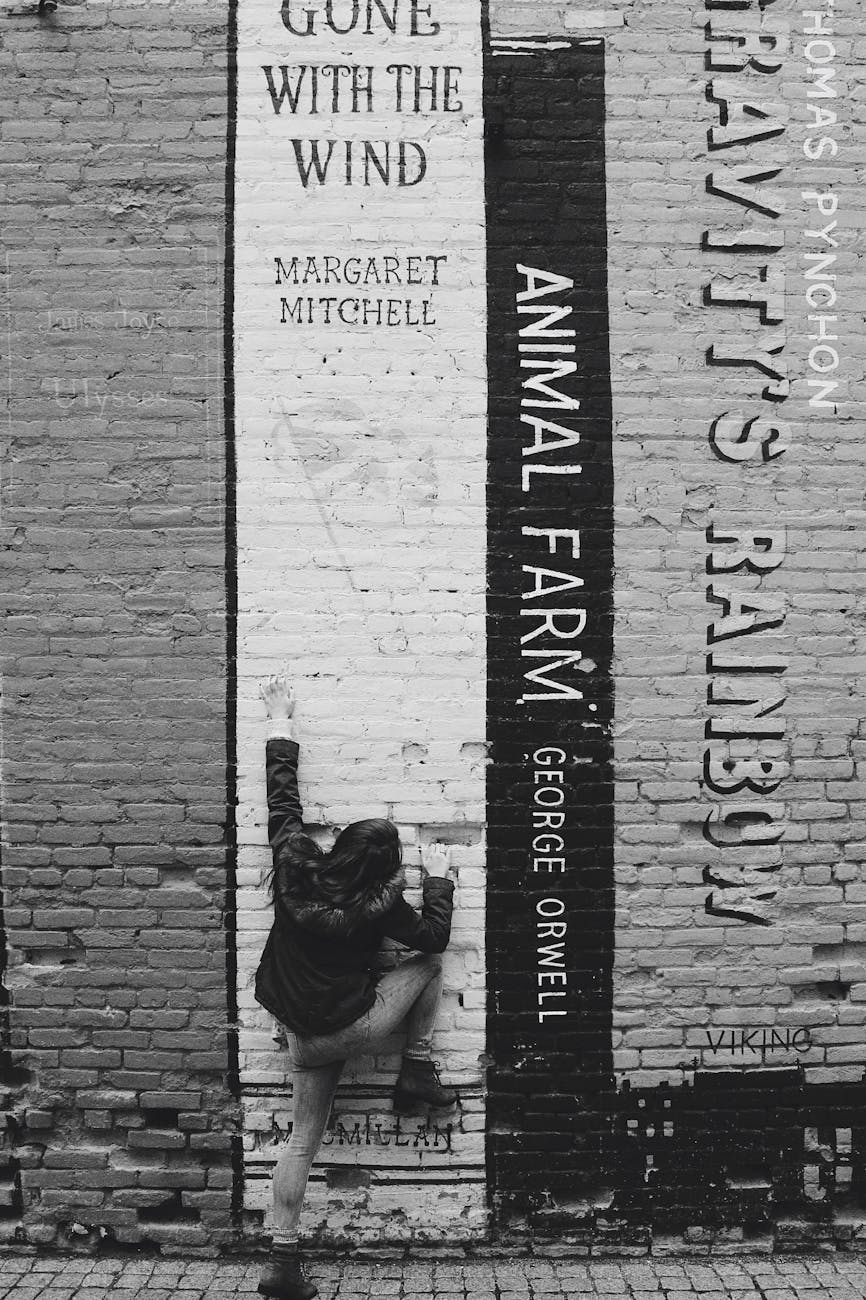
Photo by Anna Taylor on Pexels.com

I recently re-read Animal Farm, by George Orwell and it’s just as relevant and powerful as when I first encountered it in middle school. Orwell’s tale of rebellion and betrayal stirred something in me even then. I didn’t yet know the term “satire,” but I could feel its force. I knew Orwell wasn’t just telling a story about animals—he was warning us about power, manipulation, and the fragility of truth. That moment was a leap forward in my educational growth. It was the first time I understood that stories could say one thing on the surface and something entirely different underneath.

That breakthrough didn’t happen in isolation. Just before reading Animal Farm, I had participated in the Junior Great Books® program at my middle school. I remember sitting in a circle with a few kids from different classes, discussing a boxed set of stories and folk tales from around the world. Our teacher guided us with open-ended questions, but the magic came from the conversations themselves. That program didn’t just introduce me to literature—it taught me how to think about it.

Girl in library behind a circle of books
Photo by Ying Ge on Unsplash

The Great Books Foundation was founded in 1947 by Robert Maynard Hutchins and Mortimer Adler, visionaries who believed that meaningful conversation around classic texts should be accessible to everyone—not just scholars. In 1960, the Foundation launched the Junior Great Books program that still brings that same spirit of inquiry to younger readers like it did me all those years ago.

I still remember the African folk tales that spoke to me—stories rich with wisdom, humor, and moral complexity. They opened my eyes to cultures beyond my own and taught me that stories could carry truths across time and geography. That foundation prepared me to meet Orwell’s satire with curiosity and insight. The Junior Great Books program had already primed me to ask questions, to listen to others’ interpretations, and to trust my own instincts. Reading Animal Farm so soon after that gave me the tools to recognize manipulation, to question authority, and to appreciate the power of language—not just in literature, but in life.

Photo by Blue Arauz on Pexels.com

Today, I see Animal Farm challenged in some circles, dismissed as “pro-communist” by those who never learned to read it as satire. That misunderstanding underscores why programs like Junior Great Books matter. They don’t just teach kids to read—they teach them to think. To question. To recognize nuance. And in a world where critical thinking is more vital than ever, I’m deeply grateful for the education I had.

I still have that boxed set of Junior Great Books. It’s a little worn, but it reminds me of the moment I first learned to read between the lines—and how that skill has shaped everything I’ve done since. Animal Farm was the spark, but the Great Books program gave me the lens. And for that, I’ll always be thankful.

Curious about the legacy of Junior Great Books and the Shared Inquiry method that shaped generations of readers? Learn more about the Great Books Foundation’s mission and history here.

Hey, Mrs. Winkler: A History

In 2014, I started this blog as a way to stay sane as I became increasingly alarmed about the state of things at my institution, a small community college south of Asheville, North Carolina. Since 1995, I had taught English composition, developmental English, British literature, and creative writing. During the first decade or so, I had enjoyed blessed autonomy, trusted to develop my own curriculum that followed limited state and institutional guidelines. I liked it that way, and by all indications, I and other English instructors were effective teachers, especially when preparing students to be successful when they transferred to four-year institutions. We collaborated on the required freshman English classes, using the same textbooks and study materials, but we were still considered the experts when it came to our individual classes and pretty much left to create our own curriculum and assessments.

Photo by cottonbro on Pexels.com

However, as online instruction and dual enrollment became more popular, the college administration as well as the state sought more and more standardization because, you know, it’s so much easier to collect data and dollars that way and aren’t those the only things that matter? I guess you can tell how I felt about the changes and my loss of academic freedom.

As that first decade of Hey, Mrs. Winkler moved on, I found myself feeling smaller and smaller as an employee, even though I was growing in my abilities and contributions to the college, including the development of four online literature classes—World Literature II (I believe the first online lit. in the state of North Carolina), British Literature I and II, and American Literature II. I also developed accelerated online classes for the two required freshmen English courses, making it possible for students dependent on financial aid to proceed through their courses more quickly.

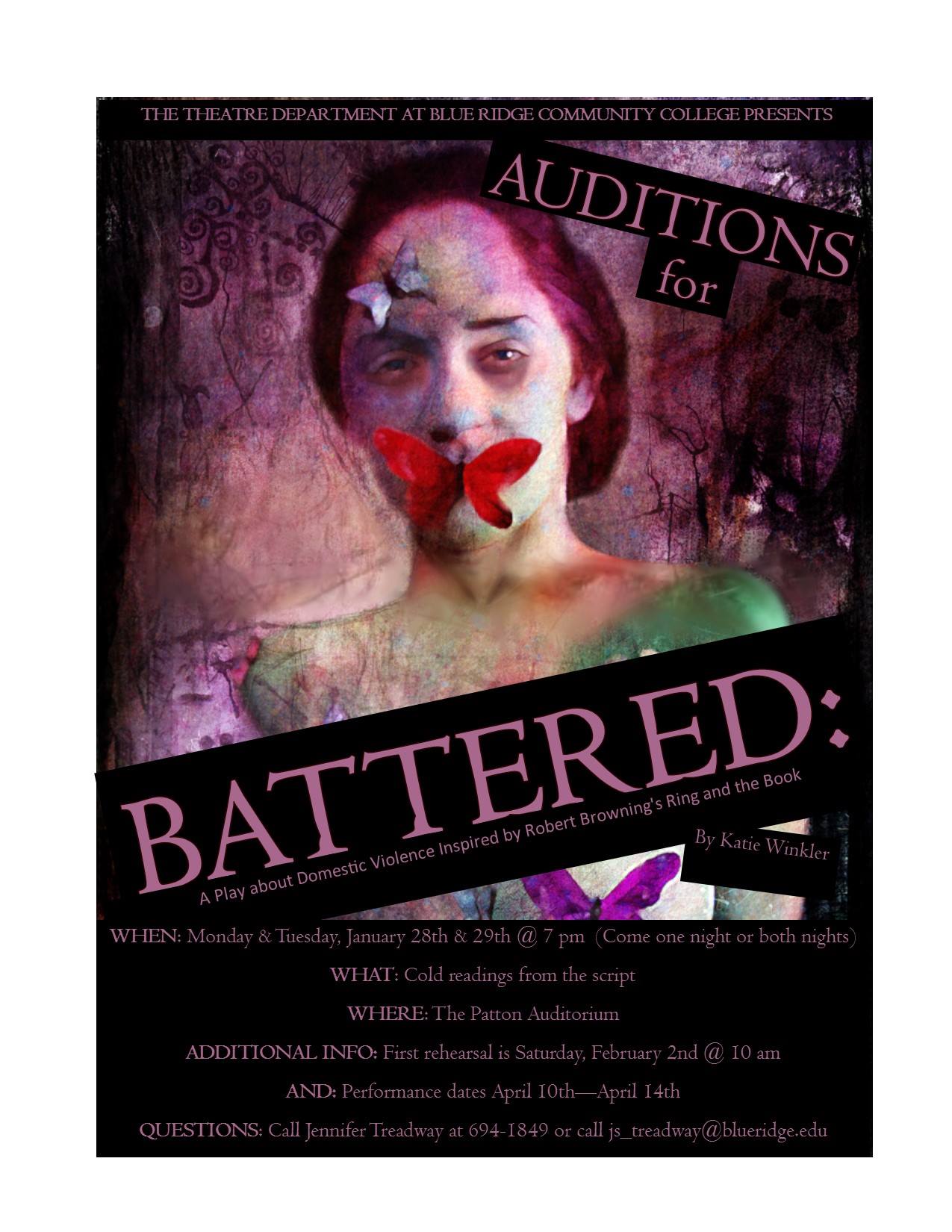
Even before 2014, I had become deeply involved in the theater department at my college as a writer, actor, director, dramaturg, and publicist. I also collaborated on writing screenplays for short films, one that won the 2008 Asheville 48-Hour Film Project Best Film called Serial Love. I wrote four plays that were produced at the college—a one-act comedy called Green Room, the musical A Carolina Story with music by a former student, Curtis McCarley, a faithful stage adaptation of Frankenstein by Mary Shelley, and a play about domestic violence inspired by Robert Browning’s The Ring and the Book called Battered. All four were fantastic teaching experiences as I collaborated with student actors and crew members when writing and revising the scripts.

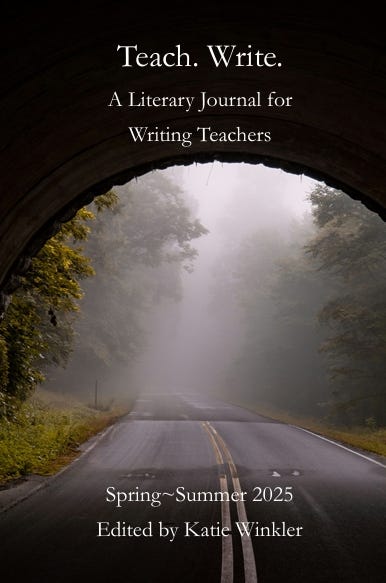
In 2017, I launched a literary journal called Teach. Write.: A Literary Journal for Writing Teachers, which now has its own website teachwritejournal.com and is a member of the Community of Literary Magazines and Presses. The latest edition is dedicated to the people of western North Carolina and those who came to help us following the devastation caused by Hurricane Helene.

So, you see, Hey, Mrs. Winkler was not only a place to rant, but also about the wonderful collaborations and incredible students I had over the years. I love teaching, and writing the blog, then editing the journal, gave me opportunities to express all the bad, good, and seriously screwed up things that were happening. It helped me survive those last years. Finally, however, I had to leave teaching, probably because I loved it too much. I just couldn’t take what was happening to it anymore. When the opportunity arose for me to retire a bit early, I took it, and I haven’t been sorry.

It’s been over a year and a half since I retired, and although I miss my colleagues and my students, I don’t miss the administrative hassles and definitely do not miss grading essays! In some ways, especially as I work on my memoir, Lessons: A Teacher’s Life, to be published this year or early next, I feel that I haven’t left. Also, my time as a Dramatists Guild Foundation Fellow helped me rewrite A Carolina Story, which had its beginnings at the college where I taught the bulk of my career. Next month, the new A Carolina Story will have a workshop reading at Hendersonville Theatre as part of their series New Works Readings: Page to Stage

The Beat Goes On.

Getting Real, Folks

A few years ago, when I was still working at a small community college in western North Carolina, I was visiting my mother who lives in rural Alabama. Often times towards the end of my almost 40-year teaching career, I would be discouraged and, I’m sad to say, spent a great deal of time bellyaching about the work environment when I was talking with my mother. But this time, I was happily explaining how a new teaching idea (I can’t remember what it was) had positively affected my students. “Sometimes this teaching stuff works,” I said.

My mom and me about ten years ago–photo by Hannah Winkler

Then, after a moment of silence, my mother said, “I know you’re too busy right now, but when you retire, you really ought to write a book about teaching. You’re such a good teacher, Katie.” I teared up then just like I am right now because those words coming from my mother started healing the wounds from a dysfunctional workplace and dwindling societal respect for educators in general. Slowly, the first writing project of my retirement began to take shape in my mind. I would write a memoir of my life as a teacher, and it would be dedicated to my mother.

I actually began writing the book in the last year of teaching but didn’t get very far. The composing process has never come easily to me, and I struggled. However, once I retired and was freed from the stresses of teaching, especially the heavy grading load, the words just seemed to tumble out of me. I had forgotten why I went into teaching in the first place, but now, no longer fixating on the heavy course loads, bureaucratic frustrations, and student apathy, I began remembering the joy of being in the classroom, the challenges I overcame, and the educational adventures I experienced. I had a rough, rough draft in six months, half the time I had given myself to finish.

Happy me at the awards banquet!

Even though I only had a draft of the book, when I saw the opportunity to enter a contest for a full-length memoir that only required the first 2,500 words, I decided to enter since all of the top three awards would cover the fee to the conference that was sponsoring the contest. I thought I had a shot at 3rd place, but never imagined that I would win the memoir category that came with an additional prize of publication!

So, it is happening! The publisher has assigned my book an editor who happens to be just right for me, someone with community college teaching experience who was the first person to greet me at the conference with the words, “I love your work!”

Unlike composing, editing is a joy for me. I would tell my students this; they would just give me that you’re-such-a-nerd look, but I would protest. “No, no, no! You don’t understand. Revision and editing are at the heart of good writing. That’s when you get to manipulate the words, sentences, and paragraphs–add and subtract until you make the writing sing!”

I doubted that many believed me, so I started saving my students’ diagnostic paragraphs in a folder and handing them back on exam day when they wrote a final reflection paper comparing that first faltering writing to the final essay. Sometimes they would audibly express their surprise with a “It is better.” or even just “Wow!”

I cherished those days just as much as I cherish revising and editing my first book: Lessons: A Teaching Life–coming to a bookstore near you, or online, from Martin Sisters Publishing.

***

The cover of the Fall/Winter edition of Teach. Write. A statue of an angel with arm outstretched

Coming soon! The next edition of Teach. Write. I’m dedicating this edition to the indomitable spirit of those who have been impacted by the many natural disasters we’ve been experiencing around the world, especially those here in my region of Western North Carolina. Six months ago, Hurricane Helene tore through our area, causing massive damage and a loss of 106 lives. Now, due to the thousands of downed trees and dry weather, fires are blazing all over our region, including upstate South Carolina. And yet, the resilient spirit of our people stands.

The Spring/Summer 2025 edition of Teach. Write. will be up on my sister site on April 1. On that date, I will begin accepting submissions for the 2025 Fall/Winter edition, so take a look at my guidelines and send me your best work!

Reading at The Brandy Bar

The Brandy Bar + Cocktails — Photo by usarestaurants.info

It’s getting real, y’all. This month I will begin the formal editing process of my teaching memoir, Lessons: A Teaching Life. If all goes well, the book will be published by the end of the year. I’ve been told it’s never too early to get the word out, so I signed up to read a short excerpt from the book at The Brandy Bar+Cocktails.

For the past several years, almost every month, the North Carolina Writers’ Network–Henderson County sponsors “In the Company of Writers” at The Brandy Bar. It’s great. The Brandy Bar is in an old building on historic 7th Avenue in Hendersonville, NC. Writers gather to hear a presentation by a local or regional poet, author, or playwright, followed by an open mic.

Last Wednesday, the evening began with signing up for the open mic and chatting with writer friends to the sound of blues tunes by guitarist Charlie Wilkinson and Hollywood Jonny. Next, came a marvelous presentation by local poet Tony Robles who read from his two volumes of poetry–Where the Warehouse Things Are and Thrift Store Metamorphosis. Tony moved us all as he read poems about the soul-healing power of physical work and the intrinsic value of everyday life and ordinary people. After the reading, Tony answered questions, offering insight into his work and telling us about the novel he’s working on, his first.

The Reading Room — Photo by usarestaurants.info

I was the first to read after Tony. A little nervous to follow such a great writer and eloquent speaker, but I felt so good afterward. One of the best things about reading a work in progress to an audience is when you get affirmation that your work has value. In my case, I also picked up on a few things I needed to revise, which I was hoping for. I used to tell my students to read their work aloud when they were revising and editing. One of the best ways to check for technical errors, sure, but also an opportunity to analyze word choice, sentence structure, and rhythm.

It was also a joy to hear the other readers. Some were writers I’ve come to know very well over my years of involvement with the Network, but I was happy to hear the fine work of writers I’d never met, including quite a few younger writers. In the company of writers is a good name for the event, one of my favorite places to be. Extra nice to be sitting in a comfortable chair sipping on a specialty of the house, Brandy Alexander.

Lava lamp collection by the bar–photo by usarestaurants.info

One of the most moving pieces came from a bearded man wearing a cap, tattoos covering his arms. He wrote about addiction and dealing with it. After the readings, he approached me and asked if I had ever taught at the University of North Carolina–Asheville. I said I had not, but I had taught at Blue Ridge Community College for 27 years.

His face brightened. He had been there, too. He asked about his teacher, my colleague who retired several years before me. I told him that I met with her regularly, that she was doing well and enjoying retirement. He wanted me to let her know that he was at UNCA finally finishing his degree, in English. “Tell her I’m a little late in getting it but I’m getting it.” I assured him I would let her know.

Once long ago, a student gave me a little wooden plaque shaped like a pencil that said, “Time and distance cannot erase the influence of a good teacher.” I think I’ll remind my friend of that when I tell her about meeting her grateful student while reading at The Brandy Bar.

Banned or Challenged?

Photo by Mikhail Nilov on Pexels.com

Okay. It’s time for all sides in the book banning debacle to simmer down. If people would just chill, the world would be a better place. (And I am the chief non-chill person, so I’m talking to myself here, too.) I do think that people throw around the word “banned” a bit too freely, especially where school classrooms and libraries are concerned.

Take Florida, for example, where people are justifiably concerned about House Bill 1467 that requires extensive review of classroom materials by members of school boards, most of whom are not educators nor librarians with no training in curriculum development. It also requires principals to take on onerous clerical responsibilities for materials. In addition, only certified librarians, who are already certified in Florida, must go through further training on what is considered “appropriate” before they can review material and if they do not comply completely with the new law, then they risk being disciplined or removed from their positions.

Therefore, the decision by some Florida school districts has been to remove any book that could possibly be considered inappropriate until the librarians can be trained, or indoctrinated, into seeing a book the way those of a particular political persuasion sees that book. On the other hand, people, again justifiably so, are upset when they read headlines about books being removed from the shelves and see photos of those empty school library shelves.

But, here’s my thing, those books that are being pulled from the shelves, they haven’t been banned. They are being pulled for review. Now, I know I don’t know nuthin bout the running of the government and I’m just a little ole retired English teacher, but I’m just gonna say it. This Florida law is stupid. The way I read it is that for political purposes, the Florida legislature has passed this law to placate extremist folks of all kinds, many who could not care less about the true education of children, which involves the continual development of their ability to discern what is right and true and good. Think John Milton’s great speech on censorship, the Aeropagitica.

Photo by freestocks.org on Pexels.com

In reality, all this bill is doing is creating a bureaucratic, unenforceable mess. Already, teachers don’t have enough time in the day to actually teach students much of anything, much less form relationships with them so teachers can match instruction to the individual student’s needs. Librarians don’t have time to lead students in instruction on how to complete research or help them find books that they WANT to read or encourage them to love reading. How is a school board that meets once a month, is not compensated for their time, and more than likely does not have the knowledge of curriculum for all of the different subjects, with usually no training in determining grade level, how are they supposed to review ALL instructional material for the school? AND as I understand it, the law indicates that school boards must do this review in public and allow for public comment and input. It’s a ridiculous notion to think that compliance with this law will be possible.

This is one reason why everybody needs to chill. This is bad law. What needs to happen is people standing up and having a conversation about why it’s bad and challenging it.

Or not.

Photo by Max Fischer on Pexels.com

Perhaps I’m cynical. Perhaps I’m bitter. So, take my words with a grain of salt, but I just don’t think many people really care. In the end, the outrage on both sides will pass and teachers will be stuck with more rules to follow, forms to fill out, evaluations to be made, everything to take them away from what should be their focus, explaining, mentoring, encouraging, assessing, remediating–teaching.

To me, all of the bluster is intended to make people feel like they care about the education of children. To show that they are a true believer in either a religious or secular sense. “See, I go to school board meetings and speak out about showing pornography to our kids.” “Look at me! I go to school board meetings to speak out about freedom and against censorship.”

But the teachers and administration need to chill, too. There’s just too much reactionary activity on all sides. Florida passes a law. The admin and some teachers are worried about being sued or losing their jobs. I know there might be a chance of that happening, but life is risky. Look, I’m not trying to make light of that fear, but is a job at a school that consistently makes you go against your conscience really worth having?

Photo by Yan Krukau on Pexels.com

Teachers, look at your situation. How likely is it that you will lose your job? How many times in your career has your job been threatened because of what and how you teach? I know there are some, but it is kind of like a police officer using a gun–many officers go through their whole career never firing their gun except on the firing range. A 2016 Pew Research Center study sponsored by The National Police Research Platform found that only 27% of officers fired their guns while on duty.

It seems to be even rarer for a teacher to be fired for cause. A fact check by 74 indicates that only 2.1% of American public school teachers are fired for cause, mainly for incompetence, not for their ideology, not for what they are teaching. I couldn’t find separate statistics for those directly fired because of the books they have on their shelves and in their curriculum, but it’s less than 2%.

I would never tell a teacher what to do, but I would encourage teachers everywhere at every level–stand up for yourself, stand up for what you believe, stand up for freedom of thought and against censorship. At the same time, admit when a book is inappropriate for your students. Avoid feeling threatened when a parent challenges a book. It’s their right. At the same time, encourage parents to come to you when they have a question about something you’ve said or about a book or some other aspect of the curriculum instead of going immediately to administration.

If you are an administrator or a school board member or a parent, please don’t leave the classroom teacher out. Ask them what’s going on. Have real discussions face to face with the teacher, instructor, or professor. Understand that what a student says about what a teacher says and does is not going to give anyone a complete picture of what is really happening in our classrooms. However, talk to our students about what is happening with book bans, challenges, and removals. They might surprise us with what they are able to “handle.”

Photo by Pixabay on Pexels.com

So, let’s try not to overreact. Instead of leaping to review every book for any remote perception of something wrong, or more than likely to make our big important political statements, why don’t we allow teachers to make their own judgments while parents make theirs, recognizing that sometimes all we need to do is talk together about books and ideas and feelings, even if they make us uncomfortable. Sometimes, that’s when real education begins.