
My mom died. How can I begin a review of my year any other way? At 89, she held her own through winter, spring, and summer. Then, in late August, she broke her leg, and the end began. The surgery went well, and she was sent to rehab, so I felt secure enough to attend the Appalachian Writers Conference in Berea, Kentucky. I was eager to meet with the editor of my teaching memoir—the book my mother had inspired.

The conference was wonderful until the last day, when I was called to the front desk. My mind leapt to my mother. She was fine—but my new car wasn’t. A storm had blown through, and branches had crashed onto it. It was still drivable, so I left early, hoping to get it repaired before our long-planned trip to the south of France.
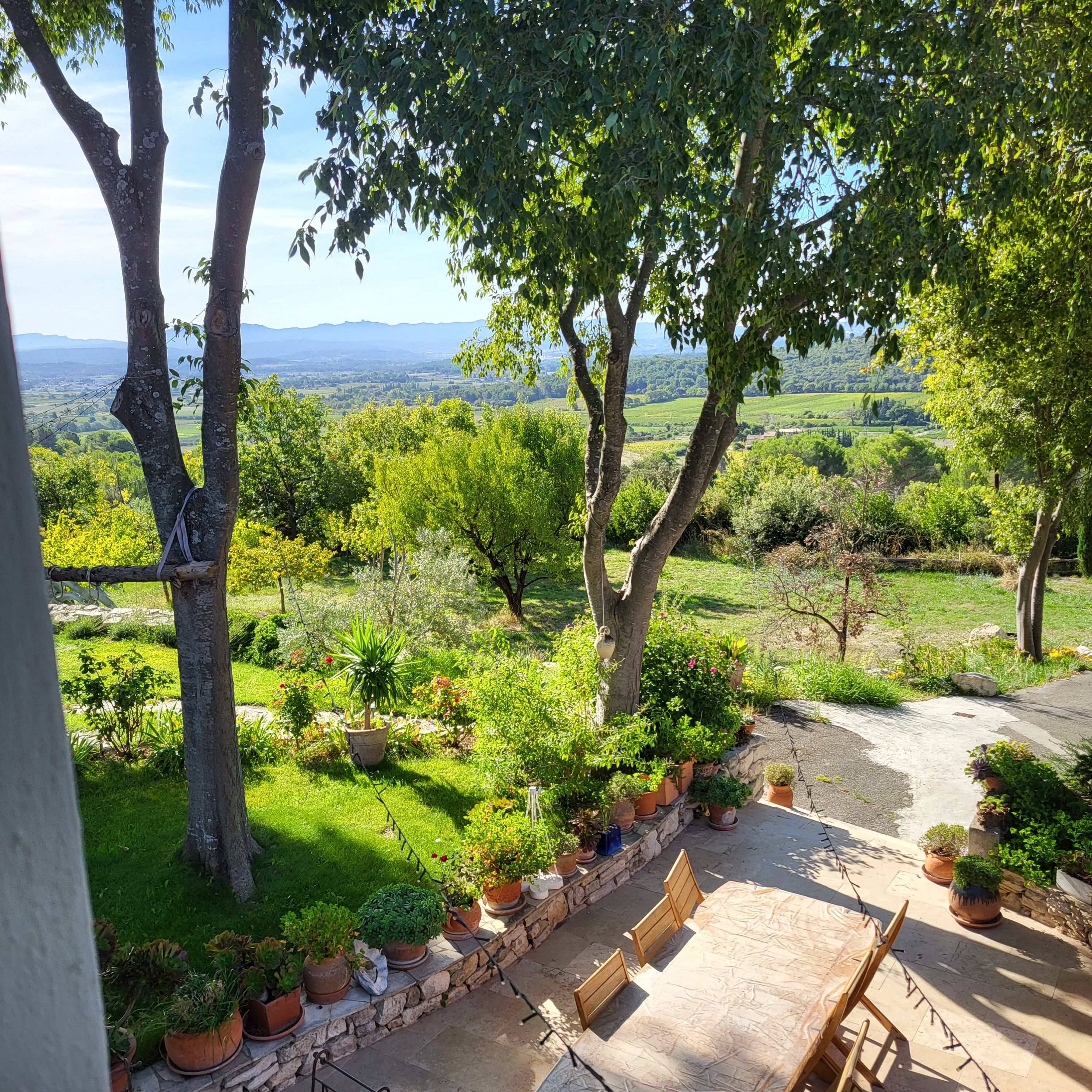
Despite everything, my husband, daughter, and I went ahead with the trip, meeting my brother and his family at there home in Germany for a few days before traveling on to Provence to a villa with views of Cézanne’s mountains. We swam, ate outside, hiked, and celebrated our daughter’s thirty-first birthday. But worry about Mom followed us. Midway through the trip, my brother—the primary caregiver—called to say she’d been moved from rehab back to the hospital with an upper GI bleed. For days she bounced between ICU and a regular room until the bleed was finally stopped. She returned to rehab, and things seemed to settle.
When we got home, my brother became ill; it was clear I was needed. My husband and I drove to Alabama—my car’s smashed roof and all. I spent my days at the rehab center while he went back home to arrange repairs. At the same time, I continued to edit my memoir, desperately searching for a nursing facility for Mom. She had made so little progress, and because she’d been in and out of the hospital, she still hadn’t seen her surgeon. Yet the insurance company was pressuring rehab to discharge her. I researched, wrote emails, made calls, filed appeals—leaning on every skill I’d honed as a teacher. I didn’t think I could do it. Not alone.
Meanwhile, Mom wasn’t improving. When she finally saw the surgeon, she was cleared to put weight on her leg, but back at rehab, little effort was made to help her. She was uncomfortable, bored, and deeply unhappy. I felt guilty for keeping her there through the appeals, but we had no other options.
Eventually, she came home.
I won’t describe that long week and a day in detail. It was the hardest time of my life, but I have no regrets. Caring for my mother as I once cared for my own child brought us closer than we had been in years. Thanks to my brothers, my husband, my daughter and her boyfriend, as well as two wonderful caretakers, we made it through.
Mom was lucid until the end, and we had one last extraordinary conversation. She woke, looked at me, and said, “Everyone would be better off if I was gone.” I told her how sorry I was that she had to endure so much, but that her life still had meaning—real meaning. I told her how much I had grown by going through this with her, how close I felt to her and to everyone in my life. I reminded her that she had been able to say goodbye to dear friends, that she had one more week at home, as hard as it was. I told her I was a better person because of what we had been through together.
Despite the pain, confusion, sleeplessness, and fear, we found ways to laugh, to pray, to watch our mystery shows, to savor warm cream of wheat and ice-cold Italian ice, to forgive and be forgiven, to love each other a little while longer.
But her knee pain worsened, the C-diff infection persisted, and by Saturday—when I had arranged 24/7 care so I could go home for a week—she was back in the hospital. She was stabilized, and there was no indication of immediate danger. The plan was for her to return home to the caregivers I trusted. My husband and I drove home late Saturday. Sunday I went to church. Monday morning I called her nurse. No significant changes.
Monday night, the doctor called. The nurse had gone in to check on her, found her unresponsive, tried to revive her. She was gone. It was the end of a life well-lived. The end of pain and helplessness.
As this last day of 2025 comes to a close, I find myself holding both the ache of this year and the unexpected grace woven through it. I lost my mother, yet in her final days we found a depth of love and understanding that will stay with me always. Her life shaped mine, and her last week changed me in ways I’m still discovering. As the new year begins, I don’t pretend to know what healing will look like, but I do know this: the legacy she left—her strength, her curiosity, her stubborn hope—will walk with me into whatever comes next.
And that is where I will begin again.


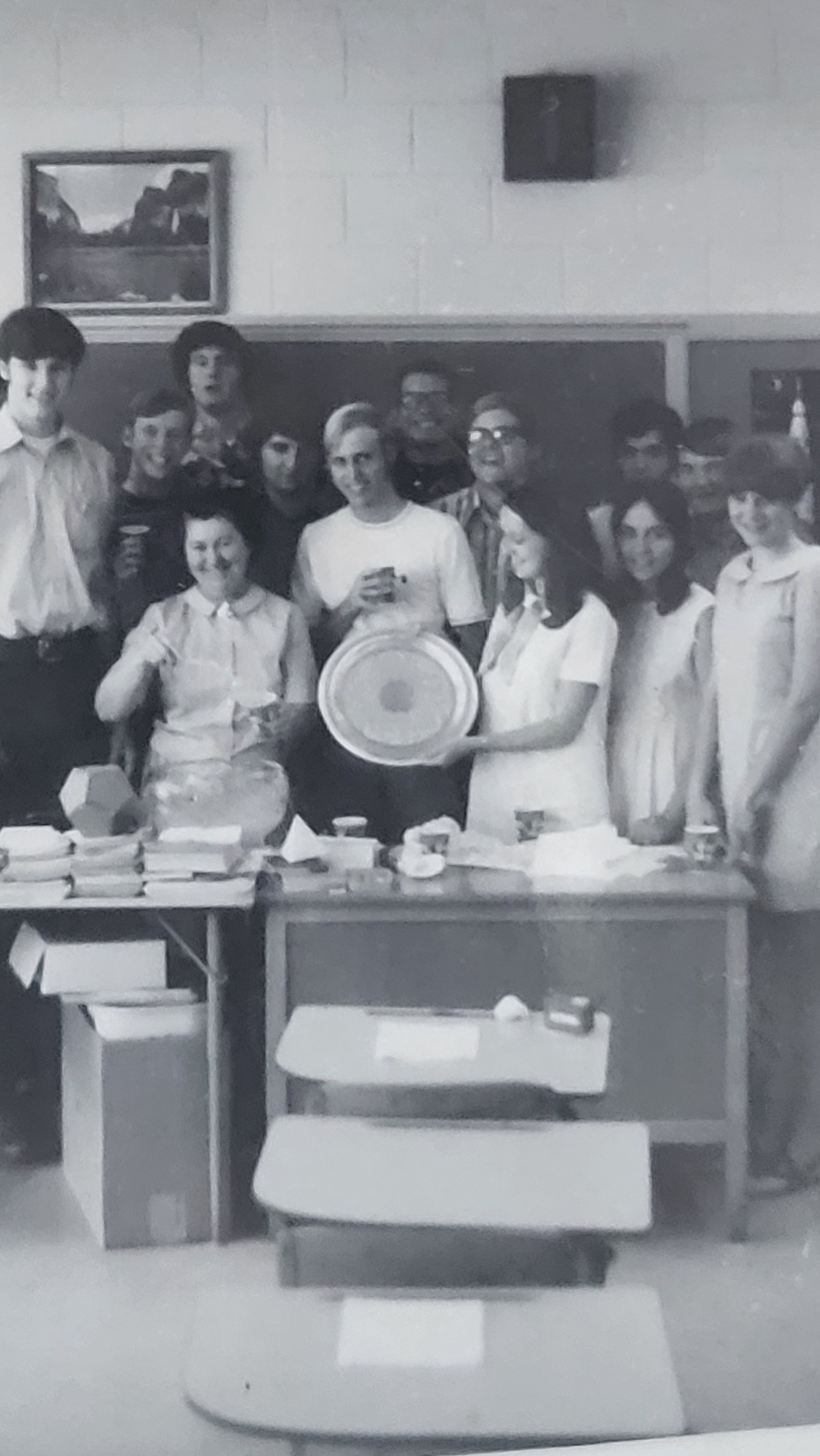
 Hey, Mrs. Winkler!