Hey, Mrs. Winkler: A History

In 2014, I started this blog as a way to stay sane as I became increasingly alarmed about the state of things at my institution, a small community college south of Asheville, North Carolina. Since 1995, I had taught English composition, developmental English, British literature, and creative writing. During the first decade or so, I had enjoyed blessed autonomy, trusted to develop my own curriculum that followed limited state and institutional guidelines. I liked it that way, and by all indications, I and other English instructors were effective teachers, especially when preparing students to be successful when they transferred to four-year institutions. We collaborated on the required freshman English classes, using the same textbooks and study materials, but we were still considered the experts when it came to our individual classes and pretty much left to create our own curriculum and assessments.

Photo by cottonbro on Pexels.com

However, as online instruction and dual enrollment became more popular, the college administration as well as the state sought more and more standardization because, you know, it’s so much easier to collect data and dollars that way and aren’t those the only things that matter? I guess you can tell how I felt about the changes and my loss of academic freedom.

As that first decade of Hey, Mrs. Winkler moved on, I found myself feeling smaller and smaller as an employee, even though I was growing in my abilities and contributions to the college, including the development of four online literature classes—World Literature II (I believe the first online lit. in the state of North Carolina), British Literature I and II, and American Literature II. I also developed accelerated online classes for the two required freshmen English courses, making it possible for students dependent on financial aid to proceed through their courses more quickly.

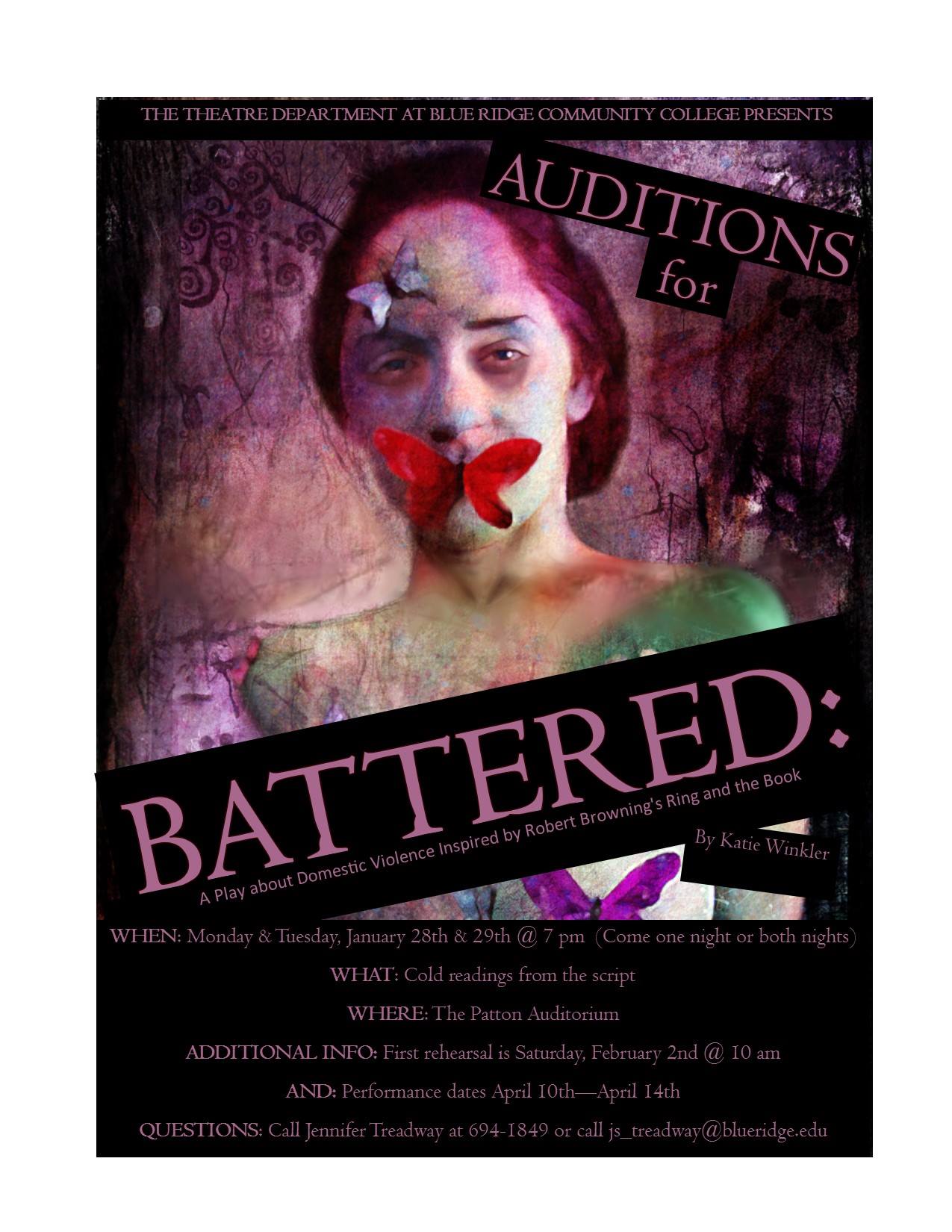
Even before 2014, I had become deeply involved in the theater department at my college as a writer, actor, director, dramaturg, and publicist. I also collaborated on writing screenplays for short films, one that won the 2008 Asheville 48-Hour Film Project Best Film called Serial Love. I wrote four plays that were produced at the college—a one-act comedy called Green Room, the musical A Carolina Story with music by a former student, Curtis McCarley, a faithful stage adaptation of Frankenstein by Mary Shelley, and a play about domestic violence inspired by Robert Browning’s The Ring and the Book called Battered. All four were fantastic teaching experiences as I collaborated with student actors and crew members when writing and revising the scripts.

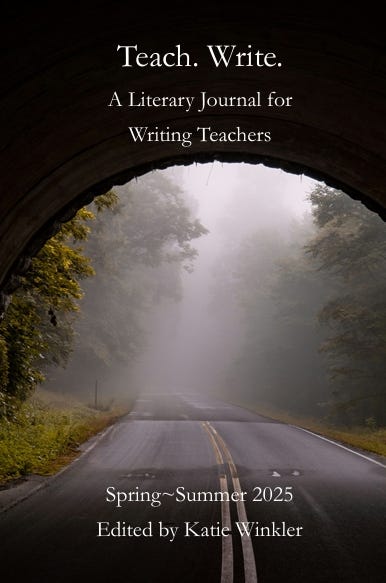
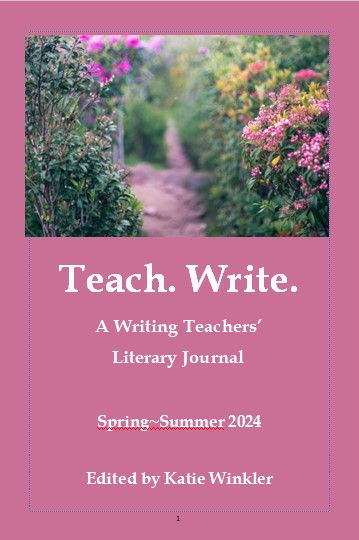
In 2017, I launched a literary journal called Teach. Write.: A Literary Journal for Writing Teachers, which now has its own website teachwritejournal.com and is a member of the Community of Literary Magazines and Presses. The latest edition is dedicated to the people of western North Carolina and those who came to help us following the devastation caused by Hurricane Helene.

So, you see, Hey, Mrs. Winkler was not only a place to rant, but also about the wonderful collaborations and incredible students I had over the years. I love teaching, and writing the blog, then editing the journal, gave me opportunities to express all the bad, good, and seriously screwed up things that were happening. It helped me survive those last years. Finally, however, I had to leave teaching, probably because I loved it too much. I just couldn’t take what was happening to it anymore. When the opportunity arose for me to retire a bit early, I took it, and I haven’t been sorry.

It’s been over a year and a half since I retired, and although I miss my colleagues and my students, I don’t miss the administrative hassles and definitely do not miss grading essays! In some ways, especially as I work on my memoir, Lessons: A Teacher’s Life, to be published this year or early next, I feel that I haven’t left. Also, my time as a Dramatists Guild Foundation Fellow helped me rewrite A Carolina Story, which had its beginnings at the college where I taught the bulk of my career. Next month, the new A Carolina Story will have a workshop reading at Hendersonville Theatre as part of their series New Works Readings: Page to Stage

The Beat Goes On.

Service is a dirty word

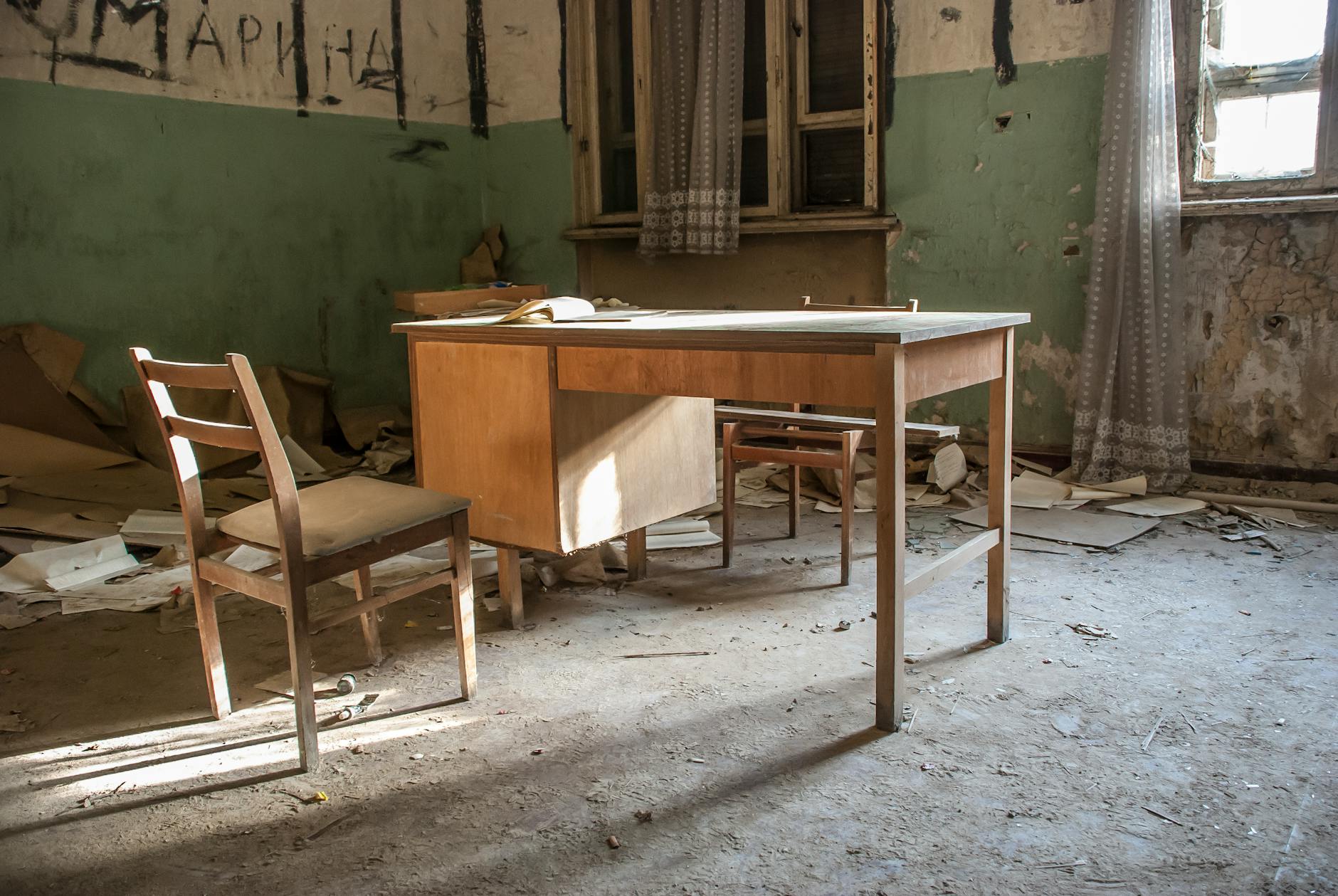
Photo by Pixabay on Pexels.com

Service is a dirty word
You may have to
Wipe inky hands
On a blackened rag
Beside a bottle
Of disinfectant
Left over
From Covid’s mandatory cleaning days
Long deemed
Useless by scientists
But not bureaucrats.

Photo by Enrico Hu00e4nel on Pexels.com

Service is a dirty word.
You may have to
Wipe down your desk
Of ceiling tile flecks
From above you
As workers pound on the old roof
Of a building
That appears new
To the press and politicians
who don’t see you
Back there, serving

Photo by Cori Emmalea Rodriguez on Pexels.com

Service is a dirty word.
You chose this filthy bed you lie in
You could have walked away.
You could have stayed so much cleaner if
You chose business or tech.
You really deserve that net decrease in pay.
For wanting, longing to serve.

Don’t you know?

Service is a dirty word.

Thanksgiving 2024

Photo by Monstera Production on Pexels.com

Once again, I sit down to write on Thanksgiving Day. What a blessed life I have! I get to write just about whenever I want to! I know I’ve often used this blog to complain about the state of higher education in the American South and elsewhere, but I’m grateful that I CAN and have always been able to voice my dissent or approval despite my occasional confrontational style and unconventional teaching methods. For most of my career, in fact, I have been free to pursue whatever I thought best for my students, free to encourage, admonish, and challenge them.

Now that I’m retired, I’m grateful for the modern technology that allows me to easily maintain this blog and publish my literary journal Teach. Write. These publications allow me to continue having a voice about education in my country. This upcoming year, however, although I will still acknowledge my concerns, I am going to make a point to seek out more of the good that I come across, the innovative and exciting initiatives that I hear about, the positive use of new technologies, how instructors are not only coping with the times but also finding ways to bring their students back to the place where they are less anxious about their education and excited about learning. I want to find the students who are enjoying their education and discover why. I also want to highlight the activities of educational organizations I’m a part of, including the American Association of University Professors, the Phi Kappa Phi teaching honor society, and the Educational Foundation of Henderson County Public Schools.

Photo by Pixabay on Pexels.com

Another focus of this new year is continuing to look back and mine the educational gems of my own past as I edit my teaching memoir, Lessons: A Teaching Life. I have been thinking a great deal about my own education as well as my career as an instructor during this time of revision. I have so many things I want to write about, but not all of my stories belong in the book, not this one anyway. The blog will be a good place for my memories, ones that will, I hope, instruct and encourage teachers, students, and parents.

I have so much to be thankful for during this my second year of retirement–family, friends, neighbors, health, security, prosperity. Sure, there are still difficult times like hurricanes and elections, still things to complain about and to work to improve, but all that can wait for another day, can’t it?

Today, let’s just raise a glass and say, “Thank you! Thank you! Thank you!”

Photo by fauxels on Pexels.com

Face-to-face and One-on-One

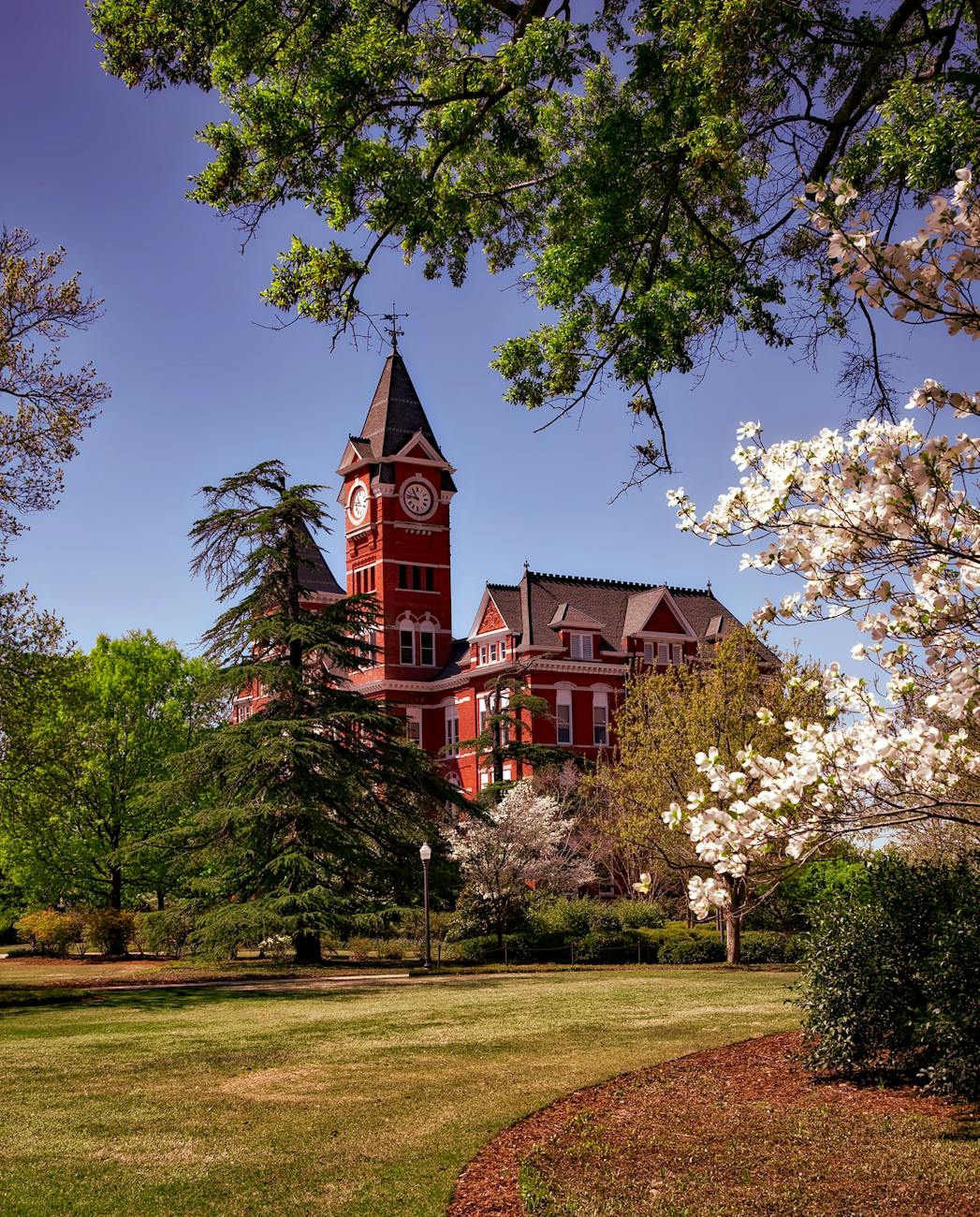
Samford Hall at Auburn University–Photo by Pixabay on Pexels.com

I was talking to my nephew Ruben this past weekend. He just started this semester attending Auburn University after getting his Associates at Southern Union Community College in Opelika, AL. He has an interesting perspective on American colleges and universities because, although he has an American father, he was raised and educated in Germany, where my brother has lived and worked for decades as a pastor after making the wise decision to marry my wonderful sister-in-law, who is a German doctor.

Ruben was glad that he attended a community college first so that he could establish residency, improve his already excellent English language skills, and acclimate to the American educational system. He did well and accomplished his goals, grateful for a low-cost alternative for satisfying his general education requirements.

Photo by SERHAT TURAN on Pexels.com

However, at Auburn this semester, he has been able to begin working on his major area of study, graphic design, and that has been the highlight of his time in American higher education so far. Why? Of course, working on projects that are teaching him the skills necessary for his desired employment is one of the reasons. The class is several lab hours a few days a week where students’ work is evaluated and critiqued openly. In addition, students are expected to work on projects outside of class and those who wish to do well will come to work in the studios late at night. But, since Ruben almost always meets his fellow students in the studio, where there’s plenty of talk and laughter, he doesn’t mind the late-night work so much.

As I listened to my nephew, though, I soon realized that the main reason he is enjoying his graphic design so much is the professor. Turns out she’s tough and demanding, expecting students to show up prepared for class and able to take constructive criticism. She roams the studio during class, watching students work, looking at their projects, and pointing out what needs to be improved. She is not all warm and fuzzy, and Ruben likes this. It’s a challenge that he enjoys rising to.

Photo by cottonbro studio on Pexels.com

I felt so heartened as I listened to Ruben talk about his class, about working hard and enjoying it. So much of that had been lost in my last few years of teaching. Now that I’m retired over a year, I can see that some of my discouragement came from burnout. I was just so ready to retire. However, some of that burnout came from showing compassion for students who were truly struggling with serious issues of physical or psychological abuse, food and housing insecurity as well as with the subject matter, while shoring up the resilience and persistence of others whose overprivileged lives and faux fragility was crippling them.

Both types of students need a rigorous and challenging hands-on learning experience with a dedicated educator like Ruben’s professor, who demands excellence from her students and yet takes the time to build relationships with them. The ones who have it tough often find hard course work and thinking as an escape, and the ones who’ve never needed to work hard before need it because, well, they need to learn how to work hard for something–we all do. As Dad said, “It builds character.” Of course, the students have to be, like my nephew, willing to accept critique and respect the professor’s expertise. Ruben does not feel that he has nothing to learn, that he’s just ticking off a box. He is approaching the class with diligence and humility, which in turn is, I’m sure, allowing the professor to give more of what she has to give.

Photo by Kampus Production on Pexels.com

I felt better about higher education after talking with my nephew on Saturday. As long as there are teachers who are willing to give and students who will receive, face-to-face and one-on-one, then solid American higher education will continue, and our country will be the stronger for it.

Happy News!

20240904_0727112882191356449583958

In my last blog post, I wrote about attending the Appalachian Writer’s Conference held at Berea College, but what I couldn’t announce then is that I won first place in the memoir category of the Appy Inkwell Writing Awards sponsored by the conference. Part of the prize for first place is publication with Martin Sisters Publishing!

As I’ve written in other blogposts, I made completing my memoir one of major writing projects of my first retirement year and accomplished that, but the opportunity to enter the Appy Inkwell Awards came up unexpectedly when I went to register for the Appalachian Writer’s Conference. I worked on polishing the first 2,500 words of the book and was quite pleased with the results, but what a surprise!

I celebrated the first-year anniversary of my retirement on August 1 and on August 3 received the e-mail saying that I had won!! I was so happy to tell the good news to my 88-year-old mother, the person who inspired me to write my teaching memoir shortly before I retired. What a thrill!

The awards ceremony came after three days of making new writer friends and learning so much about the craft and business of writing at the conference. Truly an amazing experience. I also enjoyed walking around the beautiful Berea College campus, talking with college students (one of the things I miss about teaching), eating delicious food, and traveling around the Kentucky countryside. I especially enjoyed traveling to New Castle, KY into Wendell Berry country. He’s one of my literary heroes!

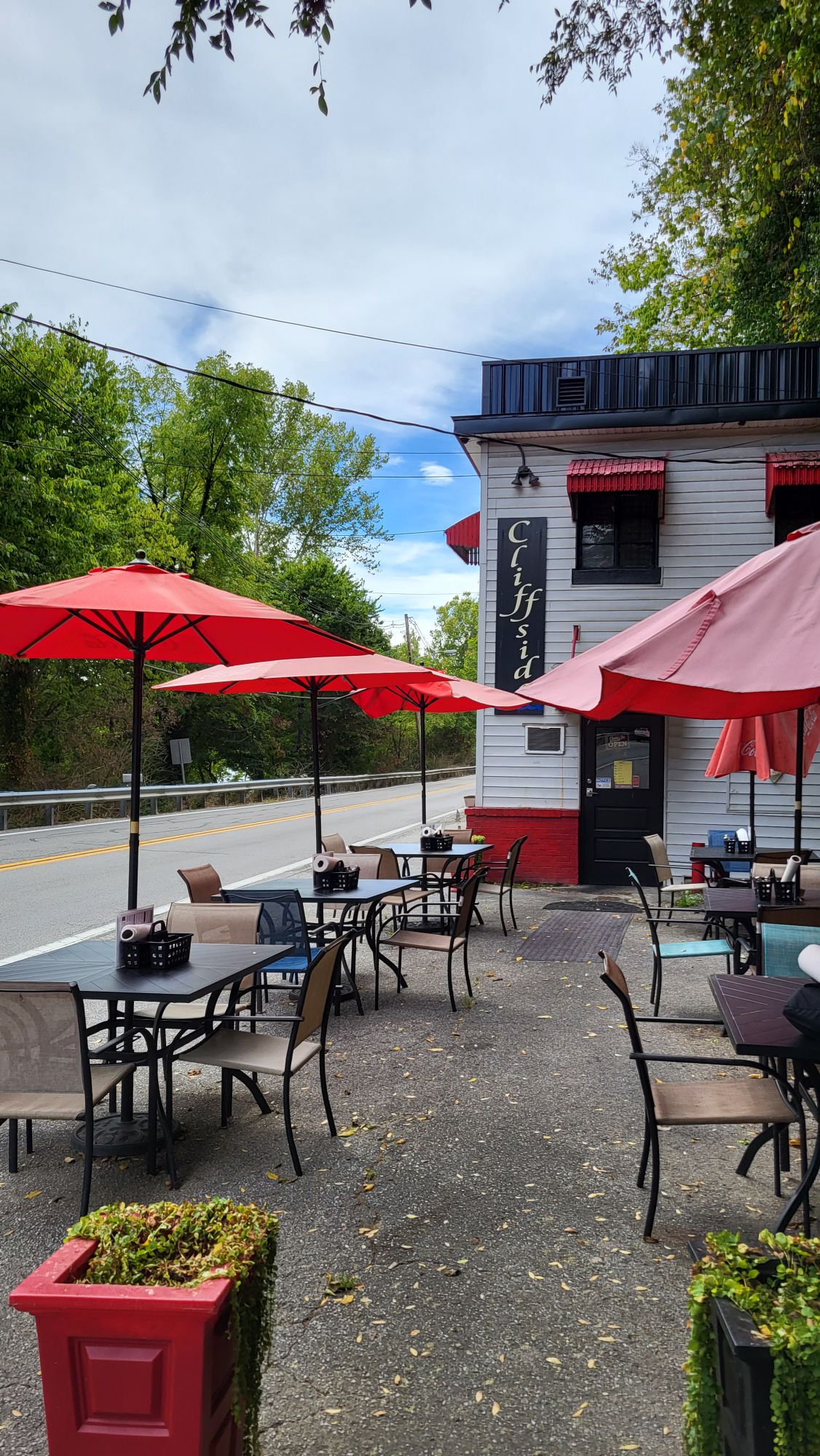
Visiting Frankfort, the capital of Kentucky was a delightful spontaneous adventure. I had a good meal at the Cliffside Diner, walked around the city and the grounds of the capitol and took a trip to the Frankfort cemetery located above the Kentucky River to see the grave of Daniel and Rebecca Boone.

That day alone, traveling around the rolling hills and farmland of Kentucky before the conference and the awards ceremony, was a precious time of reflection, thinking about my life and my career. I remember in undergraduate school how I arrogantly tacked a note to the bulletin board on my dorm room door that stated I would be “Future Teacher of the Year and Winner of the Nobel Prize for Literature.” I never accomplished the first and am unlikely to complete the second, but I have had a grand career as a teacher and a writer. I may be officially retired, but I’ll never stop being either one.

I can’t.

Two Writing Adventures

Draper Hall, Berea College — By Parkerdr – Own work, CC BY-SA 3.0

It’s getting real y’all!

On Monday, I leave for the Appalachian Writer’s Conference in Berea, Kentucky. It’s my first time going to Berea and the first time to this conference, so I’m excited. Two of my teacher friends attended and sing the praises of Berea College, which was the first integrated, co-educational college in the South and has not charged tuition since 1892. Wow! What a concept! The conference will be at the Historic Boone Tavern Hotel that stands on the grounds of the college.

What a great place to spend a week thinking about writing and higher education in the South as I work on my teaching memoir and attend sessions about composing, revising, editing, and understanding the business of writing. I also hope to take a trip up to New Castle, Kentucky to the Berry Center, dedicated to one of my favorite writers and educators, Wendell Berry.

Then, in October, as one of the highlights of my year as a Dramatists Guild Foundation National Virtual Fellow, I will finally get to meet the other fellows and our instructors face to face in New York City, where we will attend the Dramatists Guild Foundation’s annual gala among other activities. I have learned so much during this year and am so grateful for the opportunities to revise and add to my musical A Carolina Story and revisit my satirical work about education in Appalachia: CAMPUS. Getting to meet producers, agents, directors, and actors who are part of DGF is something I never dreamed possible until I became a fellow.

You can be sure that I will update you about both of these exciting adventures. Also, somehow, I will also edit and produce the 2024 Fall/Winter edition of Teach. Write., which now has a new subtitle: A Literary Journal for Writing Teachers. The publication date is still planned for October 1.

Lord, help me.

It’s been a year

Photo by Vlada Karpovich on Pexels.com

August 1, 2023, was my first official day of retirement. I left after 27 years of teaching at a small community college in western North Carolina. Officially, I retired early, but I say I ended my career right on time. Some may say that I was burned out or that I had quietly quit years before, and perhaps both are true. All I know is that I loved teaching, what it really is supposed to be, too much to keep trying to do it with little academic freedom or shared governance. I couldn’t remain in a place that cared more about enrollment and data than individual students and their learning.

Writing and editing, separate from the scads of e-mails I wrote and student writing I graded, are the things that kept me going the last few years of my teaching career. This blog, started in 2014, was the first place I regularly vented my frustrations at the negative changes I saw at my institution. But I also kept my spirits up by writing about teaching itself, some of my victories in the classroom, my memories of great teachers and wonderful teaching experiences I had.

Then, in 2017, after publishing another short story and having published dozens of theater reviews and feature articles for the local newspaper, I realized that risking rejection and criticism by putting my work out into the world not only helped me be a better writer, but it also made me a better writing teacher. I wanted to offer a special kind of professional development opportunity to other writing teachers and Teach. Write. was born. Editing Teach. Write. has been one of the joys of my life and is even better now that I have time to devote to its improvement.

However, even with the blog and the journal, the pressure was getting to me. The worst part of all was realizing how powerless I was to effect any change as I witnessed the autonomy that I had enjoyed at the beginning of my career begin to erode. So, I turned to a writing project that began as a musical but had laid dormant for several years–a satire called CAMPUS.

When it started getting particularly rough, I turned back to CAMPUS and decided, I think with the help of my wonderful daughter, that I wanted to turn my musical into a novel and keep the musical element alive by podcasting it with music. How? How would I do it? First, my daughter, a sound technician, did research on the best podcasting equipment, told my sweet husband, who bought the equipment for me as a Christmas gift. It wasn’t long before I was podcasting this crazy, satirical story about higher education at a small college in western North Carolina.

But not just any college. This enchanted campus has elves, gnomes, moon people, fairy godteachers, vampires, zombies, and a boojum–kind of an Appalachian yeti–oh, and a nazi. CAMPUS is definitely out there, but its weirdness has allowed me to say things I never could have said out loud otherwise. I produced about 13 episodes.

You can go and hear them at most podcasting platforms. Just search CAMPUS: A Novel That Wants to Be a Musical and you will find them. Don’t get too excited–the production value is low because I have no idea what I’m doing, but you know, I’m kind of proud of those episodes. I’m proud of myself for completing them, taking a chance. They helped me survive those last few years of teaching and the isolation of teaching during the worst of the pandemic years.

I want to get back to completing CAMPUS when I finish the other big writing projects on my plate right now, but until then, I will leave you with one of my favorite scenes from CAMPUS, when the discouraged, burned-out faculty makes their debut “Down at the Diploma Mill.”

DOWN AT THE DIPLOMA MILL

At that, in true musical fashion, a slow droning chant arose from across the quad as “They” began to come in. The slow heavy beat of the prison blues, the stomping of feet like the striking of a heavy hammer on a stake. THEM, teachers in ragged clothes and carrying old worn-out books came onto the quad.  And they chanted:

ONCE WE WERE SOME BRIGHT YOUNG TEACHERS

ONCE WE WROTE ENGAGING LESSON PLANS

ONCE WE LOOKED INTO THEIR SHINING FACES

OUR STUDENTS WERE OUR INNOCENT LITTLE LAMBS

BUT NOW

BUT NOW

BUT NOW

CHORUS

WE’RE WORKIN’ DOWN AT THE DIPLOMA MILL

LOOKIN’ FOR SOME BRAIN CELLS TO KILL

WE NEVER MEANT IT TO BE THIS WAY

BUT WE GOT NOTHIN’ LEFT TO SAY

DOWN AT THE DIPLOMA MILL

ONCE WE HAD SOME GOOD IDEAS

ONCE WE TRIED TO CHANGE OUR WAYS

WE ALL SHUNNED STANDARDIZED TESTS

TRIED OUR BEST

TO NOT BE LIKE THE REST

BUT NOW

BUT NOW

BUT NOW

WE’RE WORKING

AT THE DIPLOMA MILL

WE’RE WORKING DOWN AT THE DIPLOMA MILL

LOOKIN’ FOR SOME BRAIN CELLS TO KILL

WE NEVER MEANT IT TO BE THIS WAY

BUT WE GOT NOTHIN’ LEFT TO SAY

DOWN AT THE DIPLOMA MILL

ASK AN ESSAY QUESTION

DO A PROJECT INSTEAD

BUT THE DEAN SAID IT WASN’T ASSESSMENT

WE SHOULD GET RETURN ON OUR INVESTMENT

IF IT’S NOT SOMETHING WE CAN CALCULATE

OR THAT’S EASY TO REGURGITATE

THEN IT’S SOMETHING YOU CAN’T DO

DOWN AT THE DIPLOMA MILL

The group begins to hum as they mount the stage and form a line of disgruntled burned out teachers. An old professor in a ragged tweed jacket with torn leather patches on the shoulder, holding a pipe comes to the mic. There is no sign of Dr. DAG. He’s gone off to Dog Hobble to that expensive restaurant only a few residents and the tourists can afford.

The old professor takes the mic as the group hums on. He speaks:

I’ll tell you what I want.  Huh, come to think of it, what, exactly, do I want?  I used to want to be published in exclusive journals, solicited to speak at prestigious conferences, overseas…in Europe…in Paris, all expenses paid.  I wanted to be so valuable to the college I could thumb my nose at the presidents and VPs and deans and especially department chairs like Dr. C. J. Hamilton, who just had to lord over me his award-winning dissertation, the title of which he doesn’t let anyone forget– The Reawakening of Chartism and the Writings of Thomas Carlylse in the Post-Victorian/Pre-Edwardian Epoch.

Do you know what he said when I told him that I had my students all meet me at that great vegan restaurant in Asheville?  He said it was stupid! Yeah. My innovative idea!  A lot better than sitting around on a bunch of hard chairs in straight little rows listening to Dr. Hamilton drone on and on about Sartor Resartus and Queen Victoria’s increasing seclusion and her fat son’s sickening perversions.

 My idea was great!  We had a good meal, raised a few organic brews, and it was off to search for the famous O’Henry plaque embedded in the sidewalk near the cafe. We found it. I didn’t tell them that when O’Henry came to Asheville, he was a penniless drunk.  How could I tell a group of 20-somethings in a creative writing class that I knew all their dreams would come to nothing?

But then we all drove together over to the Grove Park Inn to find the F. Scott Fitzgerald room.  They all wanted to see the place where Fitzgerald didn’t write while he waited for Zelda to slowly lose her mind.  We found the room, but I think we had all underestimated the effect of that many beers, organic or not, on our critical thinking skills. We had a hard time finding the room, and when we did and got in there… How did we get in there?

The concierge wasn’t too happy that we barged in on those German tourists.  At least one of them was German because I recognized certain select vernacular.  Anyway, before the burly one threw us out, I did get a glimpse around the room, a nice room, but ordinary, nothing special about it at all really. I mean why should there be?  Fitzgerald just sat there, day in and day out, not writing and drinking himself into mind- numbing oblivion. On second thought, although I can’t tell you what I want, I can tell you what I don’t want.  I don’t want to do this anymore. 

Then the others joined him in the rousing chorus.

CHORUS

WORKIN’ DOWN AT THE DIPLOMA MILL

LOOKIN’ FOR SOME BRAIN CELLS TO KILL

WE NEVER MEANT IT TO BE THIS WAY

BUT WE GOT NOTHIN’ LEFT TO SAY

DOWN AT THE DIPLOMA MILL

The old professor sings

WHY DID I SPEND THAT MONEY TO BE A DOCTOR

WHEN ALL THEY REALLY WANT IS A PROCTOR?

WHY BOTHER CALLING ME A TEACHER

WHEN I’M JUST A FACILITATOR

FESTERING IN THIS STINKING DIPLOMA MILL?

SO, I DON’T EVEN WANT TO TRY

THE STUDENTS SAY MY CLASS IS TOO BORING

TOO MUCH GRAMMAR OR LIT STARTS THEM SNORING

I NEED TO TRY TO ASK THE GOOD QUESTIONS

NOW I CAN ONLY HIDE MY FRUSTRATION

IT’S ALL I CAN DO TO KEEP THEM FROM TEXTING

DOWN AT THE DIPLOMA MILL

And the others join in the final CHORUS

WORKIN’ DOWN AT THE DIPLOMA MILL

LOOKIN’ FOR SOME BRAIN CELLS TO KILL

WE NEVER MEANT IT TO BE THIS WAY

BUT WE GOT NOTHIN’ LEFT TO SAY

DOWN AT THE DIPLOMA MILL

Please Don’t Be a Helicopter Parent!

Photo by Somchai Kongkamsri on Pexels.com

Twelve years ago, when my husband John and I took our daughter to freshman orientation at Converse College, then an all-women’s college, now a co-ed university, the administration, very wisely, oriented the parents as well as the students, together and in separate groups. When parents met with faculty, staff, and administrators, the first item on the agenda was viewing a little animated film about “helicopter” parents, you know, the ones who are overly involved in the lives of their children. These parents tend to be overprotective and cloyingly attentive, often micromanaging their children’s activities and decisions.

The video was followed by some tips for avoiding helicopter parenting. “Try,” said one administrator tentatively, “not calling or texting your daughter for the first week and limit contact after that.” I felt the collective gasp by the parents in the room. Even though, as an English instructor, I had been on the other end of helicopter parenting for many years, I felt a little quake in my heart. A week is a long time when I am used to talking with my kid almost every day, I thought. I like my kid. I want to talk to her.

Photo by Mikhail Nilov on Pexels.com

But I knew the administrator was right. My daughter needed time to figure out things for herself, to feel the power of making her own decisions, good or bad, and the learning experiences that brings. To deny her that might satisfy me and keep me from worrying and empower me as the one she ran to with all of her questions–me, me, me–but that wouldn’t help her. So, as hard as it was, we kept our distance during that orientation week and thereafter. And guess what? She did just fine without us. SHE did more than fine, actually, even though she had to navigate some pretty rough waters, including loneliness, anxiety, and heartbreak, she also gained insight into herself, conquered some of her fears, and learned how to persist through it all.

Photo by Artem Podrez on Pexels.com

Of course, we were still active in her life. We were fortunate enough to live close and were able to attend her recitals and other activities. I loved getting to hear her sing in choirs as well as operas and even watched her fence! She came home for special occasions, and we would go visit, often eating at her favorite place, the Monsoon Noodle House. We didn’t abandon her. When she needed help, she asked for it, and we helped her, but she rarely asked. She liked making it on her own, and we loved watching her mature.

If you are parents of college students, don’t miss out on the wonderful opportunities they have to grow by being too involved. Please! Stay out of their classrooms, leave their professors alone, let them fight their own battles, or not, and let them learn to solve their own problems. Not every obstacle should be removed. Not every path should be made smooth. If you have learned to listen to your children, you will know when you must step in to protect them. It’s scary, but it’s necessary.

And it’s normal.

Herein lies the problem of helicopter parenting, I think. It seems to have become much too common for parents to blame a child’s educational institution for normal human development. Simply put, your adult children, whether they go straight into the workforce or choose college, are going to be different than you imagined they would be. If you are one religion, they may choose another or at least a different denomination. Perhaps they will choose no religion at all. They will likely have a different lifestyle, outlook, or political ideology. This is natural.

Photo by Yan Krukau on Pexels.com

It is also normal that loving parents will be concerned if they watch their children take different paths than they had desired for them, especially if they turn away from the belief system in which they were raised. However, I have seen students time and time again turn away from their parents and their values only to turn back again as they moved through the rebellious period of youth. That’s natural, too.

What isn’t natural and is inevitably harmful to students is when parents and some in society blame educational institutions, especially instructors and professors, for “indoctrinating” students one way or the other. Don’t misunderstand me. I know that there are many valid concerns about some educational institutions that stifle certain points of view or claim inclusion but only for certain races, religions, and ideologies. That is an argument for another day.

Photo by RDNE Stock project on Pexels.com

What I’m saying is much more basic than that. Increasingly, instructors and professors face interference and even harassment by parents who wish to micromanage their offspring’s education. For example, it is common for parents to not only question course grades but also grades for individual assignments, not just failing grades either. Some parents, especially those of younger, dual enrolled or early college students will demand that their child get an A instead of a B and claim, with no evidence, some wrongdoing by the teacher as a basis for their complaint. Sometimes, parents will question material that has long been part of an instructor’s curriculum, calling it “woke” or claiming that it violates their family’s beliefs. I know of one faculty member who was reprimanded for doing something that some parent told some board member who told someone high in the administration. The faculty member never found out what she said or did but was accused and now has a reprimand on her permanent record.

Photo by Yan Krukau on Pexels.com

Educational institutions should value all students and be inclusive of all, no matter their race, religion, gender, or ideology, but if any student has an issue with an instructor or professor, that student should be the one to approach the faculty member, not a parent, regardless of the student’s age. At the college level, parents have important support roles, but the day to day, course to course, grade to grade issues should be up to the students and their teachers. Furthermore, barring serious ethical concerns, the teacher should remain the primary authority in the classroom for the sake of all students’ healthy intellectual and emotional growth–the goal of any college education.

Distractions

Photo by Anna Shvets on Pexels.com

We suffer from distractions. It’s not only the high tech, although that is definitely a problem – our phones and computers and endless entertainment sources and open AI and, and, and. More than anything else, we are distracted by our concerns. No, our worries. Perhaps it makes us feel virtuous to worry, to endlessly bemoan the failings of others and how they are leading us all down the path that leads to destruction. After all, if we can distract ourselves with how the world is going to hell in a handbasket, maybe we won’t have to look into our own souls and search for the true sources of our problems.

Lord knows I’m guilty. If I worry enough about how this current election will affect education and talk about it enough with friends, then I can distract from the fact that I promised myself I would finish my teaching memoir this first year of my retirement and that I would work diligently on making the most use of the Virtual Playwriting Fellowship the Dramatists Guild Foundation awarded me.

Photo by Tim Gouw on Pexels.com

Of course, I don’t call it worrying; I am “concerned,” so my worry becomes something good, right? My other distractions, including social media, are being used, I tell myself, to help raise awareness and guide people toward good things. And it is good if I stay focused, but if I’m honest, I don’t. I start out with those good intentions and slip on down the road to you know where.

In Book XII of C. S. Lewis’s great satiric epistolary novel, The Screwtape Letters, the uncle demon Screwtape advises his nephew Wormwood about the value of distractions to keep the new Christian, no longer in danger of the fires of hell, from being too effective.

He says:

Photo by Mike Bosch on Unsplash

You can make him waste his time not only in conversation he enjoys with people whom he likes, but in conversations with those he cares nothing about on subjects that bore him. You can make him do nothing at all for long periods. You can keep him up late at night, not roistering, but staring at a dead fire in a cold room. All the healthy and outgoing activities which we want him to avoid can be inhibited and nothing given in return, so that at last he may say, as one of my own patients said on his arrival down here, “I now see that I spent most of my life in doing neither what I ought nor what I liked”. The Christians describe the Enemy as one “without whom Nothing is strong”. And Nothing is very strong: strong enough to steal away a man’s best years not in sweet sins but in a dreary flickering of the mind over it knows not what and knows not why, in the gratification of curiosities so feeble that the man is only half aware of them, in drumming of fingers and kicking of heels, in whistling tunes that he does not like, or in the long, dim labyrinth of reveries that have not even lust or ambition to give them a relish, but which, once chance association has started them, the creature is too weak and fuddled to shake off.

You will say that these are very small sins; and doubtless, like all young tempters, you are anxious to be able to report spectacular wickedness. But do remember, the only thing that matters is the extent to which you separate the man from the Enemy. It does not matter how small the sins are provided that their cumulative effect is to edge the man away from the Light and out into the Nothing. Murder is no better than cards if cards can do the trick. Indeed the safest road to Hell is the gradual one—the gentle slope, soft underfoot, without sudden turnings, without milestones, without signposts,

So, whether it be pleasure or worry that distracts us, in the end all that will matter is that we have not acted as we should have or wanted to. It is right that we be concerned about extremist candidates running for state superintendent, about school board meetings becoming violent, about indoctrination coming from the right or left, about unwarranted censorship or the lack thereof, but it is wrong of us to see problems where there aren’t any or to let our fears and worries distract us from what you (talking to teachers now) are supposed to do–TEACH.

Photo by Katerina Holmes on Pexels.com

Until the last two years of my teaching, I worried constantly about ambiguous mandates coming down from the administration. Often, they didn’t apply to me but nevertheless distracted from my teaching. I would get upset, argue, discuss whatever it was endlessly with my colleagues in their offices. The thing is I didn’t need to worry because most people in the administration were simply passing on what had been mandated to them, having little hope that, for example, yet another restructuring of developmental education would fix the problems that the previous restructuring just a few years before had not fixed or made worse.

Photo by Andrea Piacquadio on Pexels.com

All my “concern” did not help me teach those developmental classes effectively. The only thing that helped was buckling down and embracing any sound ideas and finding ways around the silliness, or simply ignoring it. For example, when the state mandated that instructors should not use fiction or essays written in first-person to teach reading and writing, I was flabbergasted, ready to fight this nonsense tooth and nail at the conference I went to explaining the new curriculum. However, low and behold, almost every session at the conference included sample readings that were either essays written in fir st person or fiction. These teachers were fantastic, and their lesson ideas were great. I adopted some of them. No one seemed to notice these teachers were ignoring the mandate, including the people who had cobbled together the new curriculum. I didn’t have to fight.

Now that I’m retired, I can see that I wasted a lot of time and caused myself undo stress by allowing myself to be distracted by administrative bloat and broad, ambiguous criticism. All I can do now is say to young educators, please don’t be like me: don’t turn your teaching world upside down with every pedagogical or andragogical wind that blows. It’s not worth it. Pick out the good ideas and incorporate them, change when you need to, learn new technical skills that enhance your teaching, use old ideas that have worked for you before, and trust yourself.

Photo by Yan Krukau on Pexels.com

Teaching is a craft. You should always be open to improving it; however, teaching is also an art, most successful when it is creative and engaging, when it takes risks, when it moves onto the fringes and beckons students into the glorious realm of ideas.

Education should begin with education

Photo by Angelica Reyn on Pexels.com

I’ve probably written this in a post before, but it bears repeating. One of the best teaching professors I ever had said, “The goal of any good teacher is to become increasingly unimportant.” To me, that meant teachers are successful when they help students learn how to be independent, critical thinkers–self-starters who can be trusted to troubleshoot and problem solve yet still ask for assistance when needed–people who aren’t afraid of a challenge or obstacles or even failure. My goal was to give my students tools to meet those challenges and overcome obstacles, to learn from failure and become resilient. I wanted to equip students for all of life, not just work.

Photo by Thirdman on Pexels.com

But here in North Carolina and elsewhere in our country, education has become more of a means to an end. The general attitude seems to be “get those general ed classes out of the way” (I heard that ALL the time). They seemed to say to me, “Those classes, especially English and math, are just annoying steps a person must take to be pumped into “the pipeline” and “enter the workforce.” Gaining an education that helps people live better lives, no matter what they do for a living, or if they choose to stay home and raise children or pursue their art, has been replaced with training for a particular, specific field with a goal of employment, not life-changing education.

Photo by Yan Krukau on Pexels.com

So many of the intangibles that occur when students are truly engaged in an educational experience are lost when the emphasis is on training for local, narrowly focused workforce development based on current trends that will shift and change with every economic bubble that bursts. In the last few years of my teaching, I yearned for the days when so many of my students actually enjoyed going to school, who relished simply learning something they never knew about before. They built relationships with their classmates, studied and ate meals together, listened to music, played video games between classes and had spirited discussions in and outside of the classroom. I remember the days when students would work together, pouring hours of work into extra-curricular activities like producing a play, some of them spending hours in rehearsal on top of all of their classes and after school jobs, but they did it because they wanted to–they had a passion for it, even if they had other long-term vocational plans.

Photo by Pixabay on Pexels.com

There was a time at the college where I taught when all students in the college transfer program were required to take a literature class. There they had a chance to stretch themselves by reading complex texts that are at the foundation of not only ours but the world’s culture and government. Now, a student can get either an Associate of Science or even an Associate of Arts degree without having to take a literature course at all. How can that be?

In addition, more and more in our community colleges, three disturbing trends have taken hold–asynchronous online learning for developmental English students, high school students earning high school and college English credit for the same college-level class, and so-called accelerated classes. I helped to develop some of these courses and taught them, so you would think that I would be a proponent, but in my defense, I was misled in all of these cases into thinking the situations were temporary or that only advanced students would be taking these classes. I feel like a fool. That’s an understatement.

Photo by Liza Summer on Pexels.com

I am mortified.

In my and the college’s defense, the developmental co-requisite English class that I had developed, which was part of North Carolina’s third iteration of developmental education in less than a decade, was not intended to be an online program. The plan was that all developmental classes be taught in the classroom. Then, in March of 2020, when we were soon to roll out our new co-requisite English classes, the pandemic hit. All classes, including the co-requisite English courses, were forced to go online.

It didn’t go well.

Come back soon and I’ll explain.