Validation: Two Books About Balancing Education and Training

Ned Scott Laff and Scott Carlson’s Hacking College: Why the Major Doesn’t Matter and What Really Does challenges contemporary ideas about higher education. The book takes a critical look at today’s overemphasis on majors and predefined academic tracks, instead promoting a more flexible and personalized approach to navigating college. The authors advocate for experiential learning, skill-building, and real-world readiness, encouraging students to “hack” their education by tailoring it to their unique goals and aspirations. They also emphasize uncovering “hidden intellectualism” and leveraging untapped opportunities in the workforce, offering practical advice for students to maximize their college experience in ways that extend beyond rigid curricula.

Reading Hacking College felt like a real validation of the methods I used during my time as a community college educator. Many of the principles the authors outline—like the importance of experiential learning and practical, career-focused assignments—aligned perfectly with the approach I took in my classes. In one of my English composition courses, for example, I required students to interview a professional in their desired field. This assignment wasn’t just about teaching research and communication skills; it was about connecting their academic work to the real world in a meaningful and practical way.

The results were inspiring. Many students said it was the highlight of the course, as they gained invaluable insight into their chosen professions. One student even walked away from the interview with a job! Assignments like this not only enhanced their communication and research skills but also made the value of liberal arts education more tangible.

During my years teaching freshman composition and advising students in associate degree programs, I saw firsthand the importance of integrating the “bread” of practicality with the “roses” of intellectual and personal growth—a balance Terry O’Banion captures so beautifully in Bread and Roses. While a few students arrived with clear goals and preparedness, the majority were either unprepared or had unrealistic expectations. Toward the end of my career, I noticed an increasing number of students seeking only the quickest path to a high salary or transfer to an elite school. Many questioned the value of courses, like English composition, that didn’t appear directly tied to their career goals.

To address this, I instinctively began infusing my curriculum with practical, real-world assignments like the interview project. This approach didn’t just help students see the value in what they were learning—it also created moments of clarity, confidence, and even opportunity, like the student who landed a job from their interview.
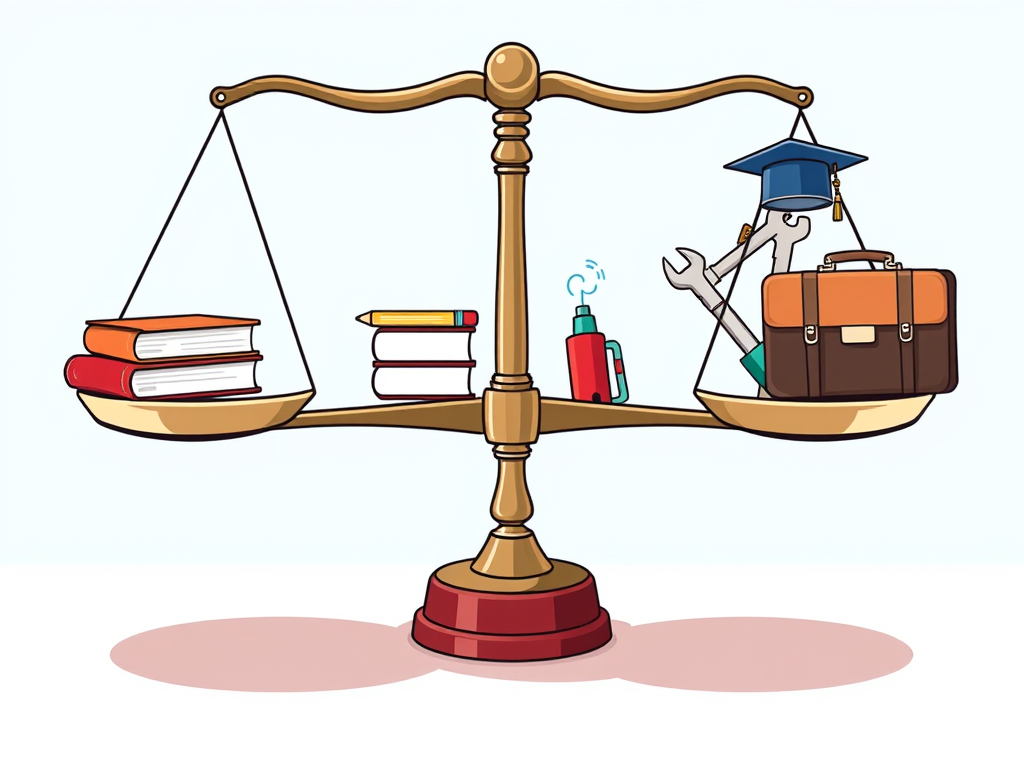
Unfortunately, I’ve watched with concern as the “roses” of liberal arts education are increasingly overshadowed by a narrow focus on workforce pipelines. Reflecting on my experiences with students—and on books like Hacking College and Bread and Roses—reminds me why this balance is so essential. Education should prepare students not just for successful careers, but for meaningful and enriching lives. I’m more determined than ever to advocate for this perspective and keep the conversation going.
Face-to-face and One-on-One

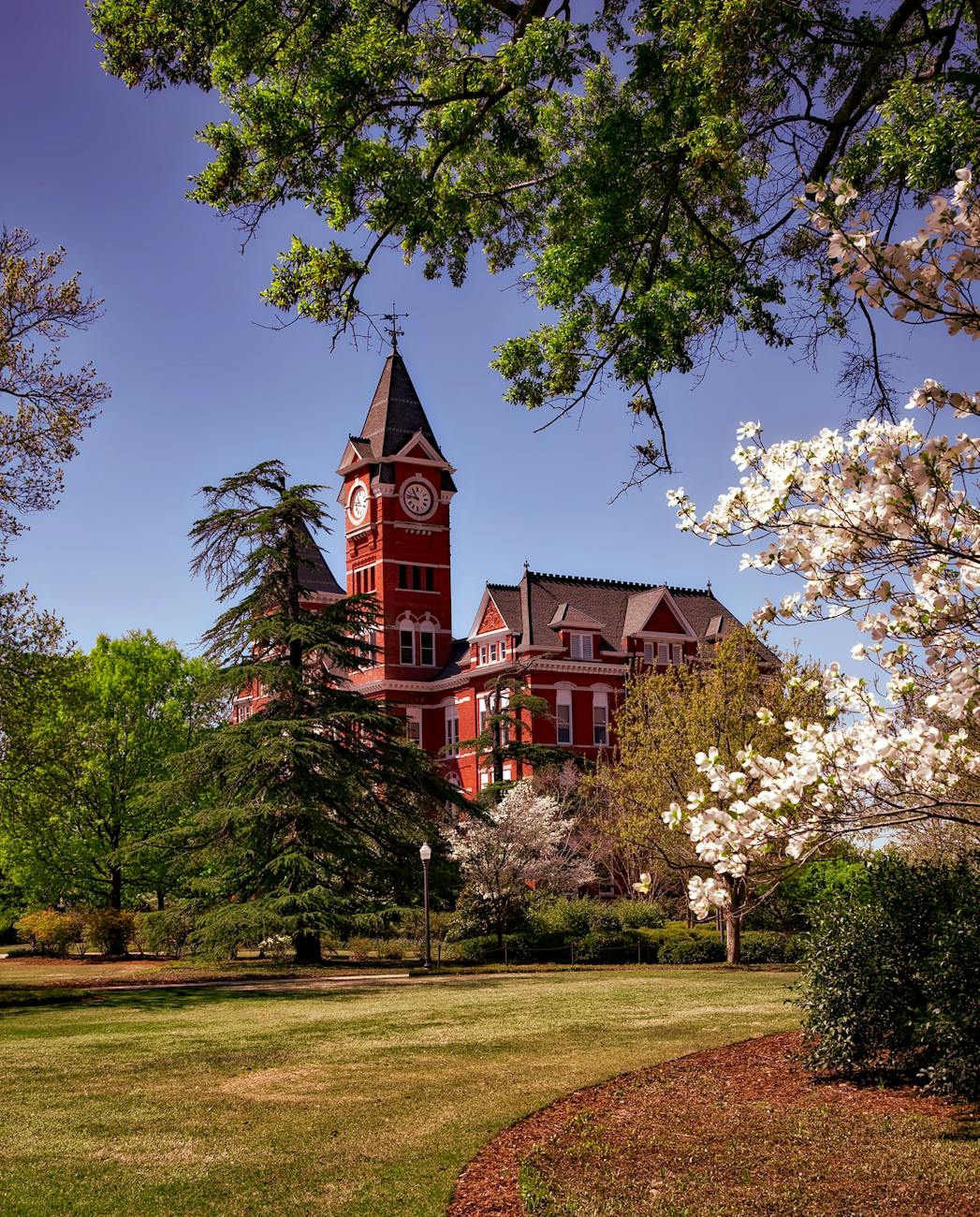
Samford Hall at Auburn University–Photo by Pixabay on Pexels.com

I was talking to my nephew Ruben this past weekend. He just started this semester attending Auburn University after getting his Associates at Southern Union Community College in Opelika, AL. He has an interesting perspective on American colleges and universities because, although he has an American father, he was raised and educated in Germany, where my brother has lived and worked for decades as a pastor after making the wise decision to marry my wonderful sister-in-law, who is a German doctor.

Ruben was glad that he attended a community college first so that he could establish residency, improve his already excellent English language skills, and acclimate to the American educational system. He did well and accomplished his goals, grateful for a low-cost alternative for satisfying his general education requirements.

Photo by SERHAT TURAN on Pexels.com

However, at Auburn this semester, he has been able to begin working on his major area of study, graphic design, and that has been the highlight of his time in American higher education so far. Why? Of course, working on projects that are teaching him the skills necessary for his desired employment is one of the reasons. The class is several lab hours a few days a week where students’ work is evaluated and critiqued openly. In addition, students are expected to work on projects outside of class and those who wish to do well will come to work in the studios late at night. But, since Ruben almost always meets his fellow students in the studio, where there’s plenty of talk and laughter, he doesn’t mind the late-night work so much.

As I listened to my nephew, though, I soon realized that the main reason he is enjoying his graphic design so much is the professor. Turns out she’s tough and demanding, expecting students to show up prepared for class and able to take constructive criticism. She roams the studio during class, watching students work, looking at their projects, and pointing out what needs to be improved. She is not all warm and fuzzy, and Ruben likes this. It’s a challenge that he enjoys rising to.

Photo by cottonbro studio on Pexels.com

I felt so heartened as I listened to Ruben talk about his class, about working hard and enjoying it. So much of that had been lost in my last few years of teaching. Now that I’m retired over a year, I can see that some of my discouragement came from burnout. I was just so ready to retire. However, some of that burnout came from showing compassion for students who were truly struggling with serious issues of physical or psychological abuse, food and housing insecurity as well as with the subject matter, while shoring up the resilience and persistence of others whose overprivileged lives and faux fragility was crippling them.

Both types of students need a rigorous and challenging hands-on learning experience with a dedicated educator like Ruben’s professor, who demands excellence from her students and yet takes the time to build relationships with them. The ones who have it tough often find hard course work and thinking as an escape, and the ones who’ve never needed to work hard before need it because, well, they need to learn how to work hard for something–we all do. As Dad said, “It builds character.” Of course, the students have to be, like my nephew, willing to accept critique and respect the professor’s expertise. Ruben does not feel that he has nothing to learn, that he’s just ticking off a box. He is approaching the class with diligence and humility, which in turn is, I’m sure, allowing the professor to give more of what she has to give.

Photo by Kampus Production on Pexels.com

I felt better about higher education after talking with my nephew on Saturday. As long as there are teachers who are willing to give and students who will receive, face-to-face and one-on-one, then solid American higher education will continue, and our country will be the stronger for it.