
Every January still brings a little spark of that old classroom rhythm — the sense of fresh starts, shiny new laptops, and the promise of innovative ideas. Even in retirement, I find myself paying attention to the tools, like Generative AI that continue to shape how students learn and how all of us make sense of the world. This year, one of those tools is celebrating a milestone: Wikipedia just turned twenty‑five. A quarter‑century of open collaboration, spirited debate, and dedicated volunteers tending the largest living reference work ever created. As it reaches this milestone, I’ve been thinking about how much it has influenced the way we teach research, develop curiosity, and encourage critical thinking.
A Starting Point That Changed the Classroom
When Wikipedia launched in 2001, it felt like a grand experiment. Could strangers on the internet really build a reliable encyclopedia together? Twenty‑five years later, the answer is complicated in the best possible way. Wikipedia now contains millions of articles in hundreds of languages, all maintained by a global community of volunteer editors. It’s messy, transparent, and constantly evolving — which is exactly why it became such a powerful tool for students.
When I was teaching at Blue Ridge Community College in Flat Rock, North Carolina, I never allowed Wikipedia as a source in research papers. Most teachers didn’t. But I always encouraged my students to use it as a starting point. So many of them would come to me with enormous, unwieldy topics — “gun control,” “immigration,” “the death penalty,” “global warming.” Wikipedia helped them narrow their focus. They could skim the broad strokes, learn the vocabulary, and begin to see where the real scholarly conversations were happening.
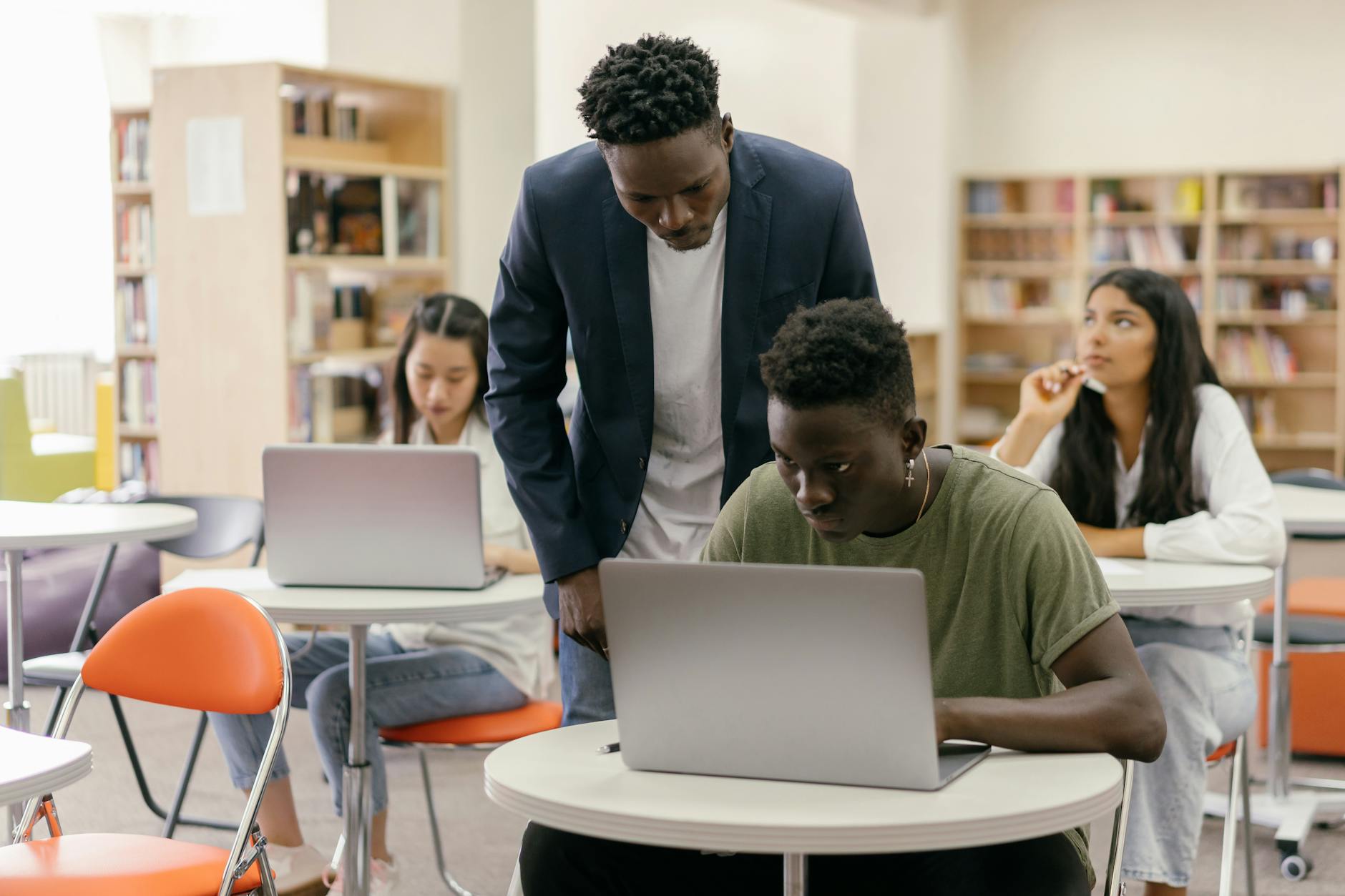
Then there were those glorious lists at the bottom of each article! I used to tell students, “Scroll all the way down. That’s where the good stuff is.” Wikipedia’s citations often led them to peer‑reviewed journals, reputable news outlets, books, and primary sources they could use. In a world where students often feel overwhelmed by information, Wikipedia, along with a good teacher, could teach them how to trace knowledge back to its roots.
Transparency as a Teaching Tool
One of Wikipedia’s greatest strengths has always been its openness. Every edit is logged. Every claim must be sourced. As a composition teacher, I was able to point this out to students. We were able to actually look at the edits. Also, our librarians would point out the dangers of taking Wikipedia at face value and look at some of the hoaxes and false information rooted out and eliminated. One of my favorite hoaxes was about my college’s hometown of Hendersonville, North Carolina, stating that the city in the Southern mountains had monkeys roaming its streets. However, such is Wikipedia’s transparency that it keeps track of hoaxes and misinformation on its own wiki!
Challenges in an AI‑Shaped World
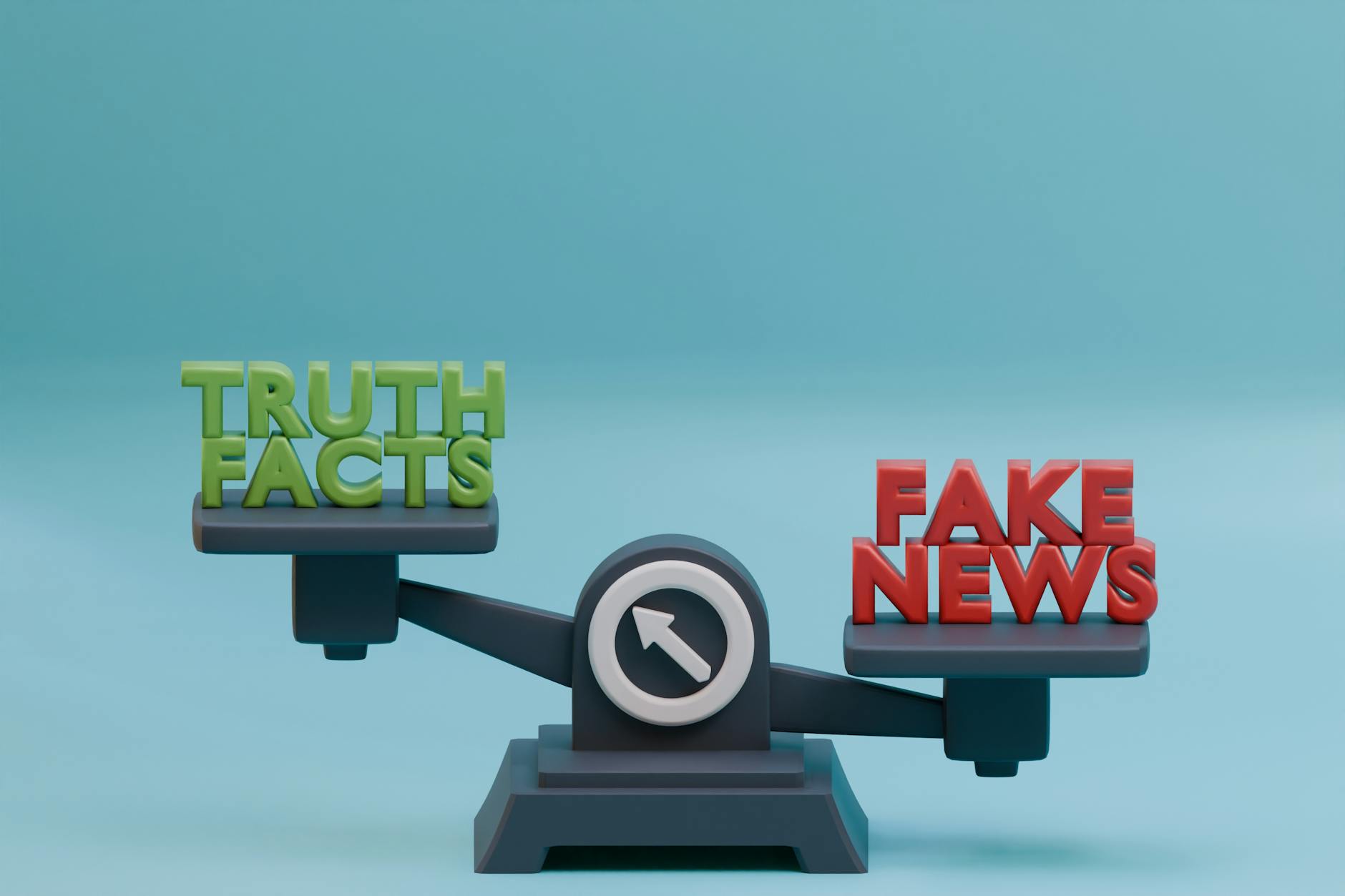
Of course, openness comes with challenges. Wikipedia has spent years grappling with issues of representation, bias, and the uneven distribution of editors across cultures and languages. And now, a new challenge has arrived: generative AI.
AI tools — including the one helping me write this article— learn from vast amounts of online text. Wikipedia is one of the richest sources of human‑curated knowledge available, which means AI companies have been using, and maybe even misusing it, to train their models. As human traffic has dipped, bot traffic has surged, sometimes disguising itself to avoid detection and placing strain on Wikipedia’s infrastructure.
This raises big questions: How do we protect an open resource in a world where machines consume information faster than humans can contribute it? How do we ensure that the volunteers who built Wikipedia aren’t overshadowed by the tools that learned from them?
A New Kind of Collaboration
For its 25th birthday, Wikipedia chose a path that feels true to its spirit: collaboration. The Wikimedia Foundation announced new licensing agreements with major AI companies — Amazon, Meta, Microsoft, Perplexity, and Mistral AI among them. These agreements ensure that companies relying on Wikipedia’s data contribute to the cost of maintaining it.
For decades, Wikipedia survived on the generosity of individual donors — millions of them — who believed in free knowledge. But as AI companies increasingly depend on Wikipedia’s content, the Foundation has made it clear: if you’re going to build your models on the work of volunteers, you need to help sustain the platform that made that work possible.
What This Means for Education
For teachers, this moment feels especially important. Students today often encounter information through AI‑generated summaries rather than clicking through to original sources. When they write, pressed for time, they may be tempted to let AI do all the work, not properly contributing or even editing what the computer spits out. That means fewer opportunities to see how knowledge is constructed — and fewer chances to practice evaluating it.
We can only hope that Wikipedia’s new partnerships will help preserve the ecosystem of inquiry that educators rely on. By ensuring responsible, sustainable access to its data, the Foundation is protecting the integrity of the source material. And because Wikipedia remains free for human users, students can still dive into the articles themselves, explore the citations, and follow the breadcrumb trail of research.
A Future Rooted in Curiosity
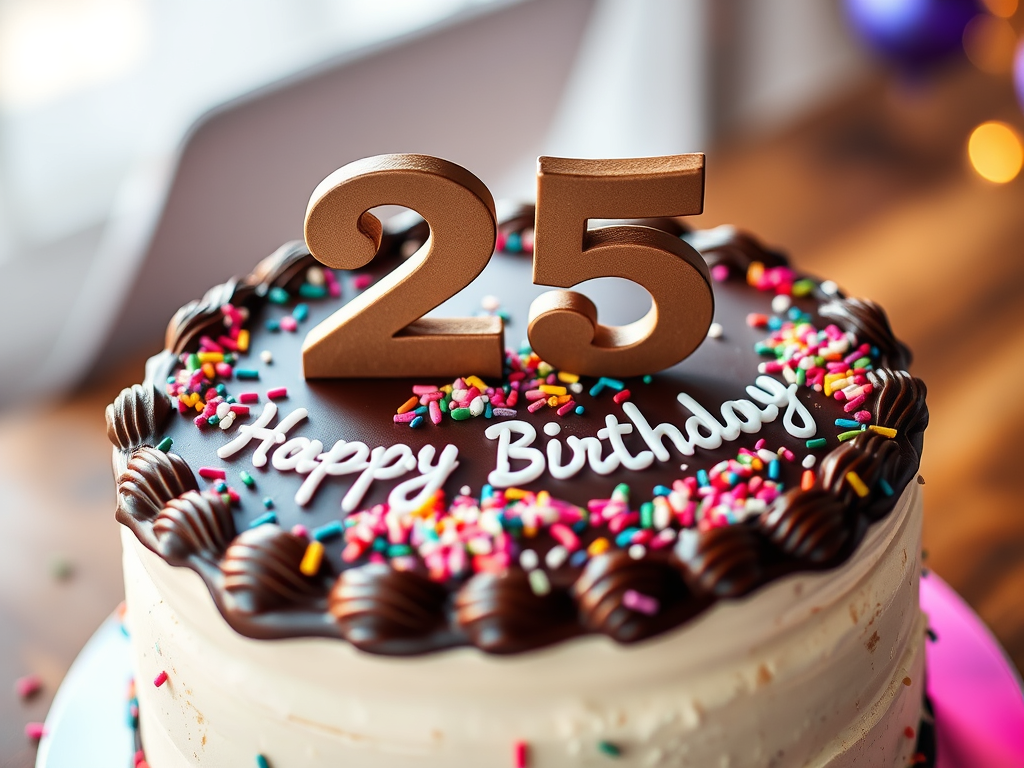
As part of its birthday celebration, Wikimedia, the parent organization of Wikipedia, has highlighted the people behind the pages — librarians, teachers, retirees, students — all contributing to this improbable project. It’s a reminder that Wikipedia’s greatest strength isn’t its technology but its community.
In a world where information can feel slippery, Wikipedia’s commitment to openness — imperfect, collaborative, and human — feels more vital than ever, especially for the classroom.
So Happy Birthday, Wikipedia! Live long and prosper!



 Hey, Mrs. Winkler!