Again, No Time But Must Post Something

Prop poster

Mock Propaganda Poster Inspired by Ray Bradbury’s Fahrenheit 451 (Pinterest)

I’m in the midst of grading my brains out here at the end of the semester, but I don’t want to let any more time go by without posting something because the current state of liberal arts education, especially at the community college level in my state, demands it. Thank goodness there are others who feel the way I do. So until I’m able to do some more research, I’m posting this great article by Gary Saul Morson, professor of Slavic Languages and Literature at Northwestern University.

As a literature instructor I was a bit taken aback at first, and a little insulted, but then I read on, and he has some great things about the importance of college level literature studies as well as sensible ways to engage students in literature classes.

Article by Gary Saul Morson from Commentary Magazine

England–Days Seven and Eight

Large Day of the Dead Statue--British Museum-October 2015

Large Day of the Dead Statue British Museum-October 2015

Happy Halloween, Everybody!

It’s Halloween, and I made it back late last night. I was hoping to work on my blog while I was waiting in the airport, but I couldn’t connect to the Heathrow WiFi. I’m one of those throwbacks who doesn’t have a smart phone. And that’s my first word of advice for my literary travelers is GET A SMART PHONE and pay for short term international use if you are going to be out of the country. What few problems I had during the trip would have been helped if I had been able to communicate better. I have some serious jet lag today, but I have the weekend to recuperate and have time to catch up with my classes.

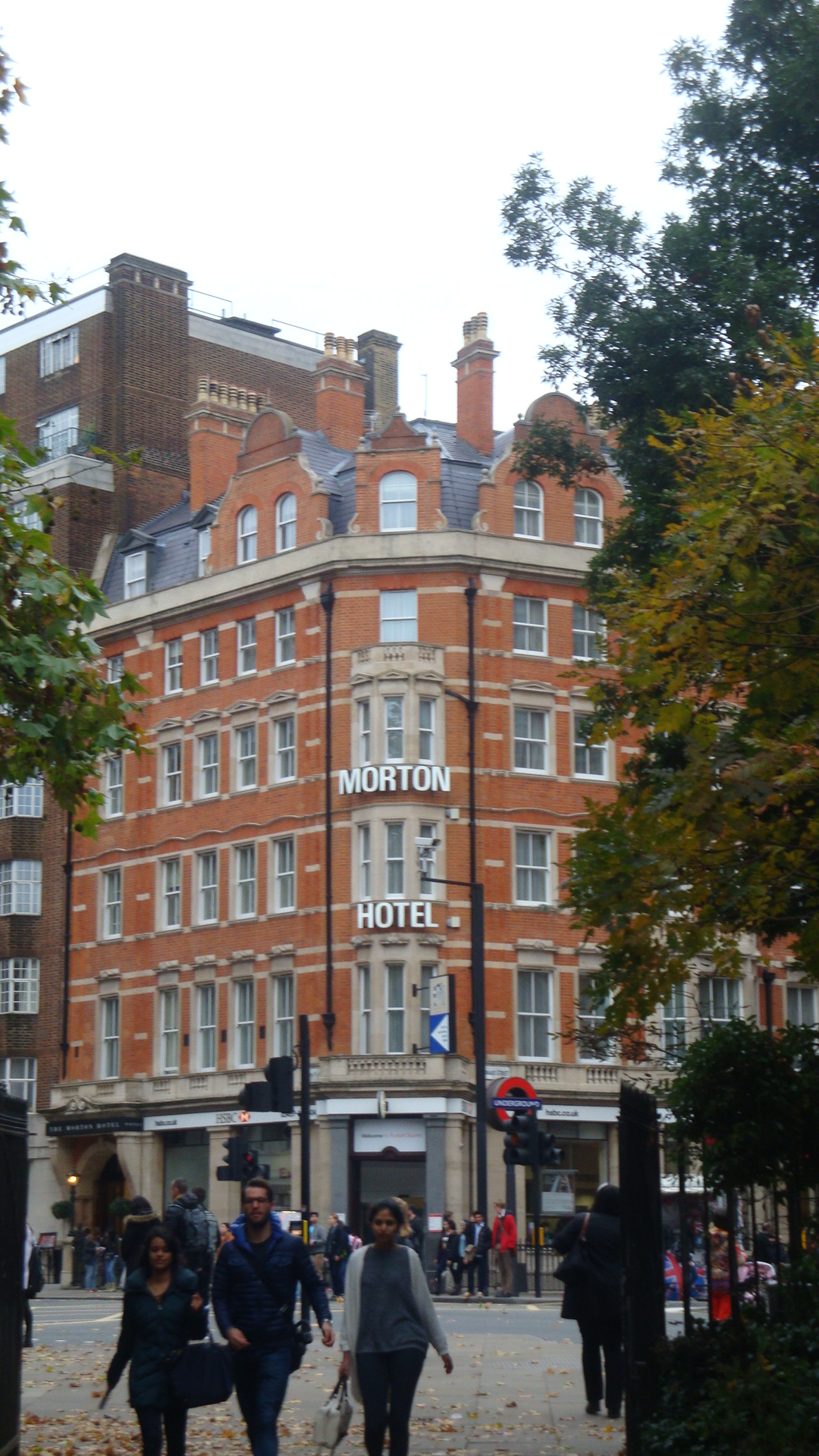
The Morton Hotel on Russell Square October 2015

The Morton Hotel from Russell Square
October 2015

My last full day in London was simply marvelous. I had a grand continental breakfast at the hotel–quite a spread. There were all kinds of pastries, including real English muffins, not the kind we eat–they are more of a spongy type of bread– and all kinds of fresh fruit, plus a variety of cold meats and cheeses. I lingered over my coffee and got caught up on some correspondence with family, students and colleagues.

The hotel has a pleasant sitting room, which serves several purposes–reception, general seating, bar and breakfast room, all decorated for Halloween, which originated as the Celtic festival of Samhain. As with Christmas, eventually the pagan traditions blended with the Christian All Hallow’s Eve, the day before All Saints Day. Both pagan and Christian traditions commemorate the changing of seasons and passage from life to death, to be renewed again in the spring, with Easter, another holiday with combined Christian and pagan elements.

The Brits seem to love to celebrate Halloween just as much as we do, and like in the States, Halloween seems to be becoming increasingly popular with adults, with all sorts of announcements about parties at different restaurants, hotels and pubs. In fact, the Morton Hotel is slated to have a Halloween High Tea today.

After breakfast I started off towards the first stop on my agenda–The Sir John Soane Museum. When I wrote my first sample travel project a few years ago on Georgette Heyer and her Regency novel “The Foundling,” I discovered a little gem of a museum in the house of the eccentric Sir John Soane, best known as the architect of the Bank of England, who adored his wife Eliza and was heart-broken after her death, which fits in so well with the spirit of the Regency romances written by Georgette Heyer and, of course, Heyer’s inspiration, Jane Austen.

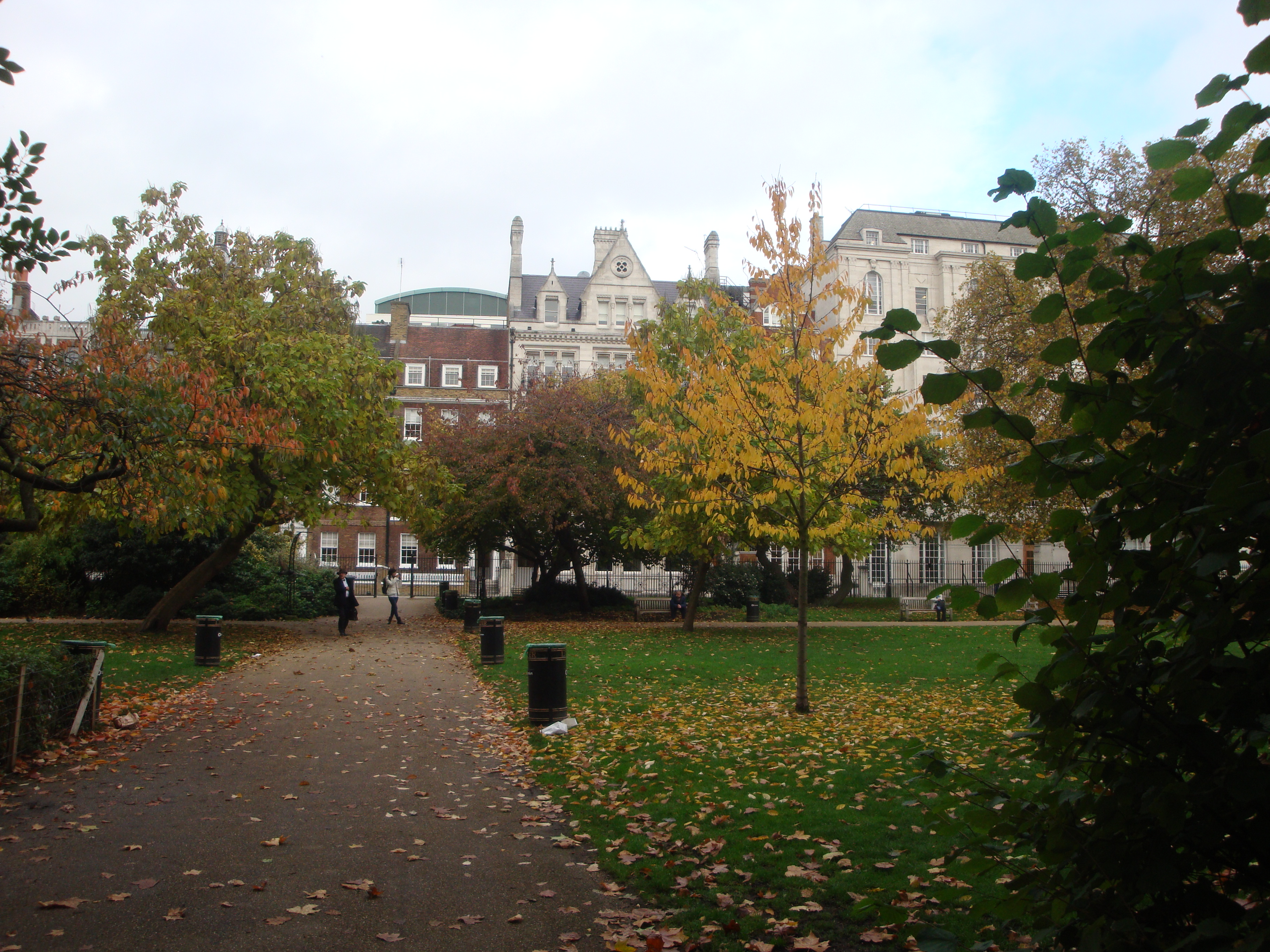
I was going to take the Underground to the Soane, but once again, the line was shut down temporarily where I needed to go, so I  hoofed it, but it felt good to walk and soak in yet another area of London I had not yet explored, so I didn’t mind. I got there early and enjoyed strolling around Lincoln’s Inn Fields, London’s largest public square, across from the museum.

Lincoln's Inn Fields October 2015

Lincoln’s Inn Fields looking toward the Soane Museum–October 2015
October 2015

Lincoln's Inn October 2015

Lincoln’s Inn
October 2015

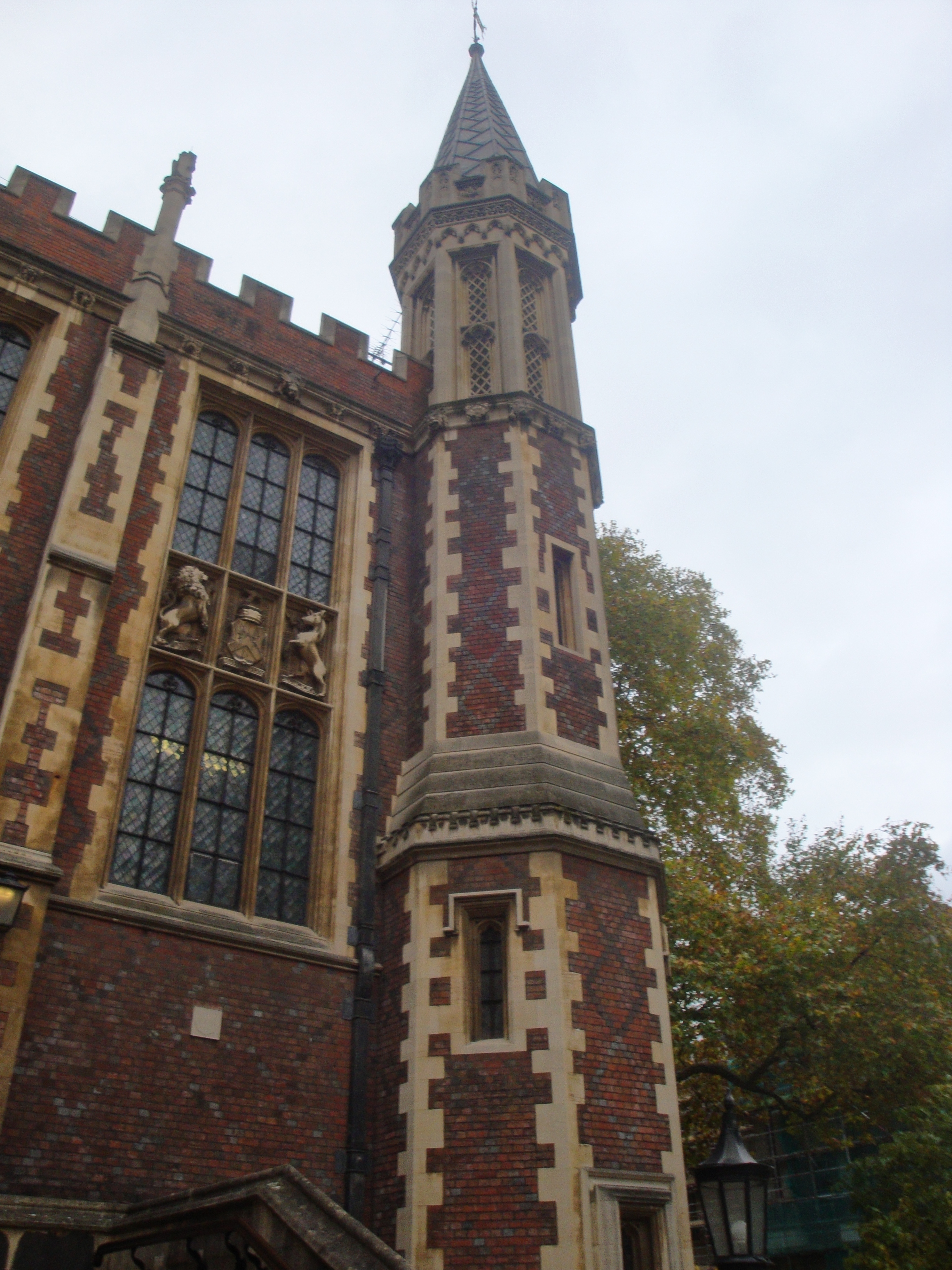
I took pictures there and then walked around some more and found Lincoln’s Inn itself. This incredible building is not what you think of when you hear the word inn. Lincoln’s Inn is the name and location of one of four legal associations that developed in the 13th and 14th Centuries, making this a good place to visit for anyone basing their literary tour on Chaucer. I could imagine the Man of Law from the Canterbury Tales being a member of this association even if the actual Lincoln’s Inn buildings weren’t built until later. Because the buildings were built in the 16th and 17th Centuries, this would also make a great place to visit if studying Shakespeare or Marlowe. The architecture is marvelous.

One of the spires at Lincoln's Inn October 2015

One of the spires at Lincoln’s Inn
October 2015

Today, Lincoln’s Inn houses the offices of many London barristers (lawyers) and includes an extensive law library. I saw one barrister going to work dressed in the traditional legal garb that British men and women of law have been wearing for centuries, although the dress code is now somewhat relaxed. The man I saw was dressed much like David Tennant in the picture below from the movie The Escape Artist.

DavidTennantEscapeArtist

When I made my way back to the Soane Museum, there was already a short queue forming as the hallways in the house are narrow and there are only a few people allowed in at a time. But I didn’t wait long. Entrance to the museum is free, but I bought the more detailed guide book to use as a source for my sample itinerary (I’m going to do an update sometime soon).

Sarcophagus of Seti Sir John Soane Museum London, October 2015

Sarcophagus of Seti
Sir John Soane Museum
London, October 2015

With the book I was able to just roam around and spend as much time as I wanted in this fascinating place. Soane ran his architectural business from his home, so there was a tiny office and rooms full of architectural artifacts for himself, his clients and students to study. He was also quite a collector and one of the most fascinating things at the museum is a sarcophagus, a huge stone coffin, that once housed the remains of Seti, the father of Ramses the Great.

One of my favorite places in the museum was the picture room. It’s a small room, so I had to wait to make my way in there. Each room has a guide who can answer questions about Soane and the house. The guide in the picture room was particularly helpful. He showed us how Soane built the room with pull out panels to hold more of his art collection in a smaller space, very clever.

My favorite pieces were another series by the British painter William Hogarth, called The Election. I had seen a similar series by Hogarth in the National Gallery, and his paintings do a marvelous job satirizing life in England during the 18th Century, with that mixture of humor and pathos that is my very favorite style of writing, seen here in picture form. The guide described the series as one of the first “graphic novels” and pointed out details of the pictures and explained their historical context–really an early form of the political cartoon.

Soane’s house is the perfect place for anyone who is interested in what England was like during the Georgian age–late 18th to early 19th Centuries. I had no idea when I included the museum in my first sample literary tour itinerary several years ago that I would get to visit the museum one day. It is delightful! Here’s a link to the museum’s website: http://www.soane.org/

The British Museum October 2015

The British Museum
October 2015

After leaving the Soane Museum, I made my way to the British Museum, not far at all from my hotel. Although it was not yet noon, I was hungry, so when I passed by The Plough, a typical British pub with a plaque outside remarking how it has been frequented by British writers through the years, I decided to have lunch there. I had another typical British pie, but this one vegetarian–mushroom and onion–washing it down with a lager. It came with chips (French fries) and some tasty veggies. Hit the spot. Now it was on to the museum.

The Plough Restaurant October 2015

The Plough Restaurant
October 2015

I went to the British Museum, also free admission, on my trip in the summer of 2011, but the place is so huge that it would take many visits just to see the permanent collections. I was greeted by huge skeletons like the one above in the courtyard and a big skull along with a skeleton in the atrium area where the Rosetta Stone is displayed, but I passed quickly by them. I wanted to focus my visit this time on the literary and old European collections, and I’m glad I did. Anybody doing any literary tour about a British author should plan to include the British Museum in the itinerary because it covers all aspects of British history and because so many authors have been influenced by items in the museum.

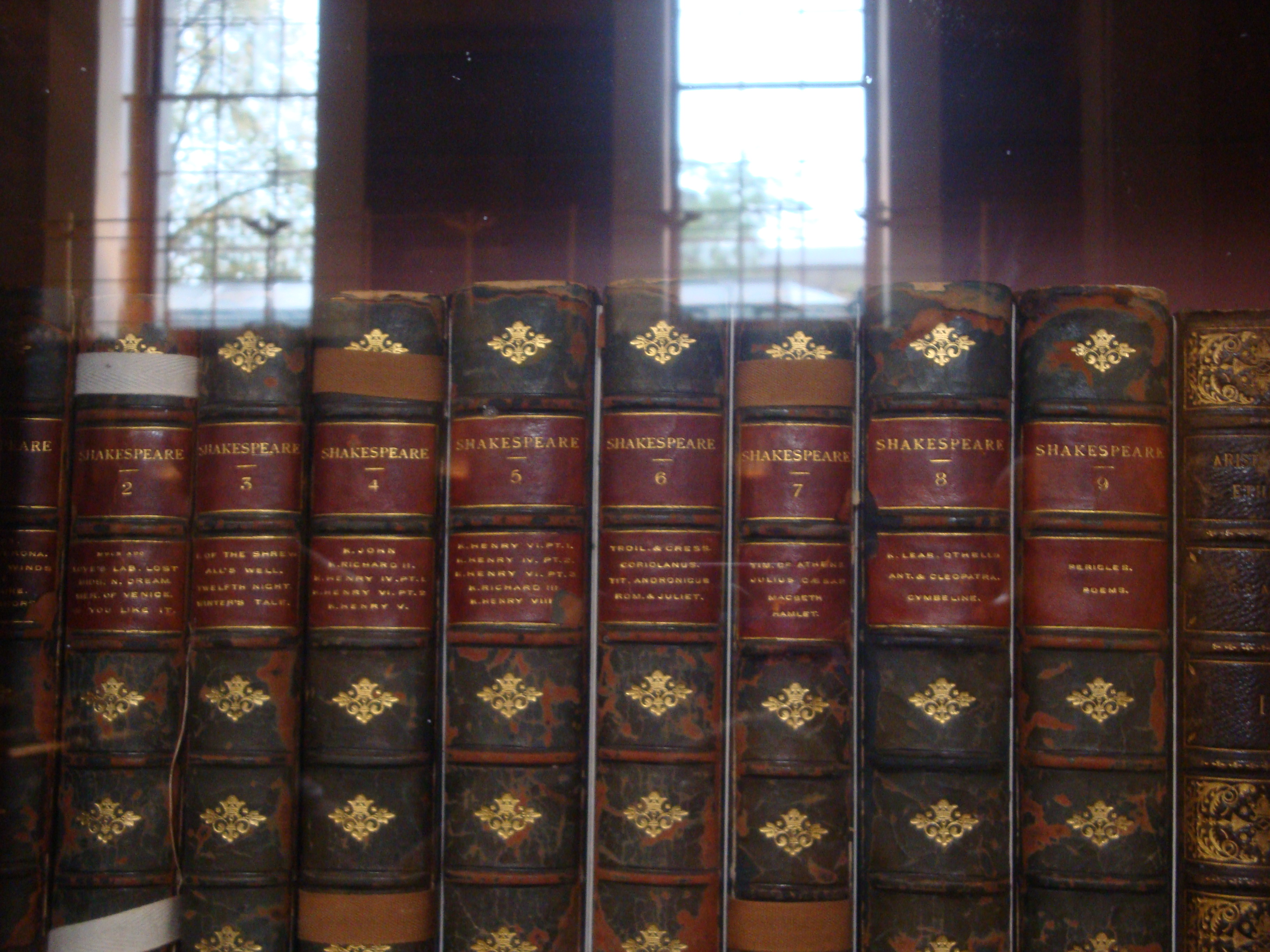
One of the first rooms I went in includes selections of hundreds and hundreds of old books, including the beautiful editions of Shakespeare seen here.

Old Volumes of Shakespeare's Work British Museum, October 2015

Old Volumes of Shakespeare’s Work
British Museum, October 2015

Then, in the old European room, I hit the jackpot, finding and photographing many artifacts from the burial ship found unearthed at Sutton Hoo, believed to date back to the time of Beowulf. Most fascinating to me were the helmets, swords and shields.

Helmet and shield found in the burial ship at Sutton Hoo British Museum, October 2015

Helmet and shield found in the burial ship at Sutton Hoo
British Museum, October 2015

Could Beowulf's Sword looked like this?

Could Beowulf have used a dagger like this?

Celtic Brooches and Sword British Museum, October 2015

Celtic Brooches and Sword
British Museum, October 2015

In another room were marvelous examples of Celtic art, including crosses and the large ornamental brooches seen to the right. Anyone doing a project on Dream of the Rood, Beowulf, Lanval or any of the early British works would appreciate these rooms.

I could have spent hours and hours at the British Museum, but I was getting a bit weary and had a big night ahead, so I went back to the hotel, caught up on some more work and took a nap. Good move. Naps, if not too long, can really help travellers get the most out of their visits.

I had some tea and a biscuits (shortbread cookies) in the room and headed out early to get to the Savoy Theatre, next to the famous Savoy Hotel on the Strand, another vibrant section of England that was really hopping that night, even though there was a steady drizzling rain. Londoners and tourists alike have learned to adapt to the rain, which comes and goes frequently. As I passed through Covent Garden on my way to The Strand, I noticed people sitting outside under canopies, seated around these little outdoor fire grates, laughing, talking and ignoring the rain.

Covent Garden at Night

Covent Garden at Night

I arrived at my destination early, so I walked up and down the Strand, soaking in the atmosphere (no pun intended, but I did forget my umbrella the one time I needed it). I bought a soda at a little kiosk and headed back to the theater to wait some more, but boy, oh, boy, was it worth the wait.

I’ve seen Gypsy several times, and I was an assistant stage manager for a community theater production of it, so I know the show very well, but this was hands down the best production of it I have ever seen or been a part of, mainly because of Imelda Staunton as Rose, who was simply astounding. Some of the best acting I’ve ever seen and the lady has pipes!

Imelda Staunton as Rose Savoy Theatre, London, October 2015

Imelda Staunton as Rose
Savoy Theatre, London, October 2015

The final scenes between Gypsy and Rose were everything they were meant to be and the final number, Rose’s Turn, was the final release of all the pent up anger and resentment of a woman who has spent too long living her life for and through her children, not realizing the damage she was doing to herself and all the ones she loved. It was heartbreaking and triumphant. It was so real. I don’t know how anyone can act like Imelda did that night. Simply amazing! Then, in the final scene, Gypsy comes on stage and Rose breaks down again–finally humbled and remorseful, a broken woman as she leaves the stage, and her daughter’s last gesture, a simple arm over her mother’s stooped shoulders, just said it all.

I was also thrilled to see Peter Davison, who played the role of Herbie, Rose’s friend and would be husband, who loves Rose despite everything but has to leave her in the end. It was a special treat seeing Davison, whom I had a crush on when I was a teenager and loved to watch him play Tristain in the British TV series All Creatures Great and Small. He also was one of the many actors to play Dr. Who (the 5th doctor).

It was a great way to end my last night in London. I didn’t even mind the walk back in the rain and the crowded subway as I made my way to Russell Square. I stopped one last time at the Tesco’s and bought supplies for a midnight snack and some breakfast before going to my room. They were still showing all the Harry Potter movies, so I watched Imelda Staunton again as Dolores Umbrage in the final Potter movie while I had my snack and checked e-mail.

What a great day!

The final day was all about travel.

I left the hotel pretty early after getting all packed up because I also like to arrive early and wait rather than rush and worry about missing my plane. I discovered that because I had an oyster card and had bought an extension to London when I arrived that I didn’t have to pay any more. I also discovered that I had paid a 5 pound deposit that can be returned with any money you do not spend when traveling, if any. If you prefer, you can keep your Oyster card, and it is still good when you return to London. I definitely recommend an Oyster card if you are going to spend any time in London.

English Breakfast at Heathrow before I Boarded the Plane October 2015

English Breakfast at Heathrow before I Boarded the Plane
October 2015

Once I got to the airport, checked in and got to the correct terminal, I had my last meal in England, a traditional English breakfast washed down with an English lager. This time I had the beans but still didn’t try the black pudding. I’m not that English!

The trip was uneventful from then on out. It was a long trip back, but it was totally worth it, and gave me a better understanding of the country, people, history and literature of England, which is important to all Americans because we share a language and England is our mother country, one of our best friends in the world today.

I hope you have enjoyed my blog posts about my trip to London. I have learned so much and am so looking forward to using what I have learned to improve my instruction of not only my British literature courses, but all of my classes.

Cherrio and Mind the Gap!!!!

England Trip–Day Three

It’s really late, so I’ll give a short update and write more in the morning. My friend and I were so tired that we slept in late. I went over to the Tesco’s, a little grocery store, to get us some breakfast–super yummy croissants, yogurt and grapes–a god breakfast and cheap. First, though, I enjoyed walking around Russell Square and taking pictures.

After breakfast and a nap, Melissa still wasn’t feeling too well, so I went for another walk and discovered another park and a modern mall. I love walking around the city and exploring. Also on my walk, I saw the neighboorhood where Charles. Dickens lived for awhile and saw a statue of the great British woman writer, Virginia Woolfe.

Later we took the Tube to Leicster Square and had a fabulous meal at Bella Italia. Then we saw The Suffaragette at the Odeon, a cinema known for its premiere. There had been a premiere of the new James Bond film earlier that night.

We ejoyed the film, and because it was filmed mainly in London, it was extra special. Well, tomorrow is the big Hamlet day, and It’s a long play, so I better hit the hay.

England Trip–Day Two

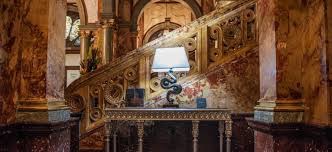
Because of the change in time, I arrived in London about 11:00 this morning. I met up with my old high school friend and we took the Underground to Russell Square. Our hotel, the Hotel Russell is an old Victorian hotel. It’s gorgeous! My room is small and my view is of back alleys and people’s back yards, but I find it charming.

The lobby of the Hotel Russell, Charing Cross, London

The lobby of the Hotel Russell, Charing Cross, London

For students working on travel projects going to London, I suggest looking into purchasing an Oyster card. A seven day card gets me unlimited travel on two central zones on the subway, called the Tube by Londoners.

It took a while to get from Heathrow to Russell Square, so we didn’t have but a little while before going to the theatre (British spelling). We were pretty tired, so we decided to take a taxi, which I wouldn’t advise if you are making plans to travel in London. Because the traffic was so snarled and the cabs charge by the minute, it turned into a pretty penny, but we got to the Garrick Theatre with plenty of time to spare.

Found this on trip advisor, but we were sitting near the end of this row!

Found this on trip advisor, but we were sitting near the end of this row!

The Garrick is an old theatre for which The famous Irish actor Kenneth Branagh is now artistic director. The show was two one acts by the important British playwright Terence Rattigan. The first short play starred the great British actress, Zoe Wanamaker in a one woman show called All on Her Own, about a woman who has recently lost her husband. It was some great acting, but the pace was kind of slow for someone with jet lag.

image

The longer one act was an unexpected pleasure. Also by Rattigan, it was totally different in character. It is a funny farce about theatre. Very funny, and I was thrilled that the play is directed by and starring  Branagh. Wanamaker was in that show too. Very funny, brilliantly acted, yet also rather poignant and touching at the end. I absolutely loved it!

The playwright--Terence Rattigan

The playwright–Terence Rattigan

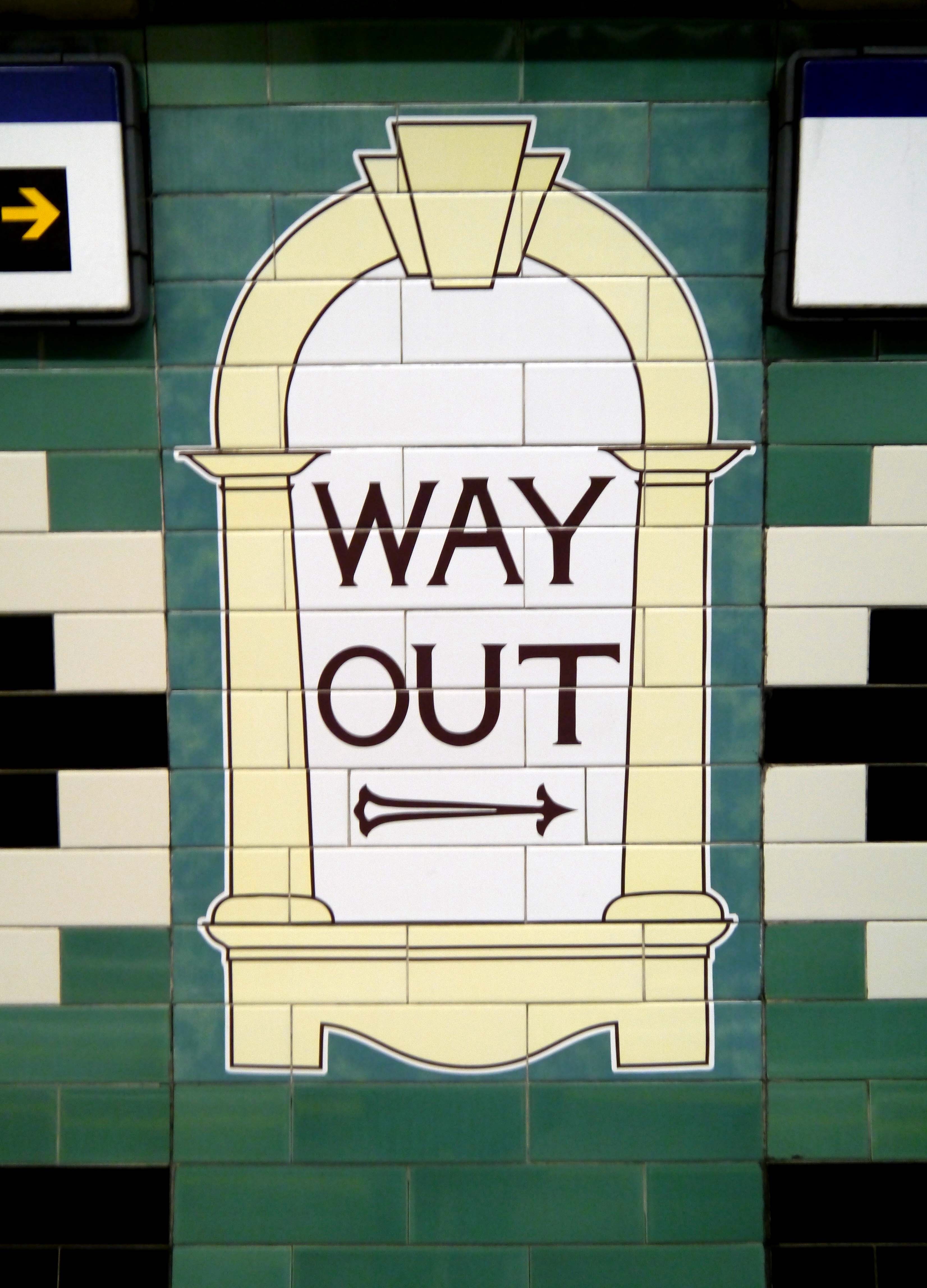
Took the crowded Tube back to Russell Square and struck up an interesting conversation with some locals who were disgusted by the long queue, which is the British word for line. Other fun differences in language are all around. My favorite is coming out of the Tube, instead of exit signs, we see signs that say, “way out.”

Way out sign at Russell Square

Way out sign at Russell Square

Another thing for London travelers to remember is buy snacks and drinks from one of the little groceries that are all over because it is much cheaper than at the hotel bar and many London hotels don’t have vending machines.

Well, it is late and I didn’t sleep much on the plane, so I am going to hit the hay. I will write more tomorrow.

London Trip — Day One–Departure

Picture 39

Dear Students,

My blog these next few days is primarily for you. Whether you are one of my British literature students or not, I want you to know that I’m thinking of you. I also am only just an e-mail or a Moodle message away. I will try to answer your questions in a timely manner. I’m hoping that you will find my posts interesting even if you are in my ACA115 online class or you are in one of my seated classes, even though the material doesn’t seem directly related to your class.

For those in my literature classes, I hope this information will be useful as you put together your capstone project–the literary travel project. You will see that it takes a lot to put together a trip, especially one that is dedicated to finding and enjoying particular things related to your particular author or work–of course, Shakespeare is pretty easy, I’ll admit.

So here’s a little run-down of my day:

I woke early because I couldn’t sleep. I was wondering if the luggage I bought would really fit in the overhead compartments or if I would have to check it in–I stewed and stewed over this. When my husband woke up, I told him about my worries, and he simply took out a tape measure to reassure me that it did meet the requirements for a carry on. I’m still going to ask at the check-in counter, though–just to be sure. I already have my boarding pass as I took care of that online from home yesterday.

I double checked some things and then headed to work. On the way there I listened to NPR’s Morning Edition as I usually do, and heard two stories back to back that mentioned London. It always seems that when you start thinking about or studying a certain thing, you are more attuned to hearing about it.

Before my class, I answered student e-mail and graded some of your papers and will grade more at home and on the flight as most airlines allow personal electronic devices to be used gate to gate now (the regulation changed in 2014 for most international flights, but I will ask just in case).

In my class we talked about fallacies in logic as my students prepare to research and write their argumentative research papers. Even in that class my mind turned to England as I used two great scenes from Monty Python and the Holy Grail to illustrate my point–the “She’s a Witch” scene and the “Annoying Peasant” scene. Funny stuff and it always makes the point. We discussed all the egregious false logic in the clips, including non sequitur, hasty generalization, stereotyping, post hoc ergo proctor hoc, ad hominem and others. I always enjoy the “ferreting out fallacies” part of English 111.

After class I ran over to the Patton Auditorium to catch the last few minutes of a terrific talk by Lisa K. Bryant, artistic director at the Flat Rock Playhouse, the State Theater of North Carolina, along with some of the staff at the Playhouse, for the Arida Arts Symposium. It was so wonderful to see a bond beginning to develop between the Playhouse and the College. It has always been there, but I’m glad to see it strengthening. Quite a few drama students were in attendance and had an opportunity to hear what it’s like to make a living in the theater as she has. It was gratifying, also, for the director of our drama department to hear confirmed by professionals in the theater the things that she has been saying to her students all along.

Whew, I’m tired already, and I haven’t even gotten to the airport yet, so I’ll say TTFN (tata for now) and put the final touches on my baggage.

Cherrio,

Katie

BON VOYAGE!

Featured image

Professional development–It means different things to different people, I suppose, but in my mind, I will soon be experiencing the most wonderful professional development a teacher of British literature could ask for. I’m going to England! One of the highlights of the trip will be seeing Benedict Cumberbatch performing the leading role in Hamlet at the Barbican in London.

The timing is perfect because while I am there, seeing Hamlet live, my students will be reading Hamlet and watching a movie version of it. I wish I could take them with me, but I plan to do a video pre and post show in front of the Barbican and take as many pictures and videos as I can to use in my British literature classes.

I also plan to use my experiences to continue to refine the major capstone project in my online literature classes–the literary travel project that I have discussed in previous blogs. I have created sample literary travel projects, and now I can test out my own literary travel plans to further refine those samples, as well as the project directions, and help my students get the most out of their major research project.

Keeping up with all of my classes, seated and online, will be a challenge, but I thought one way to stay in touch with them, and with anyone who is interested in the value of international travel as professional development for faculty. will be interested in my blog posts over the week–STARTING ON FRIDAY, OCTOBER 23!

Traveling the Book: Teaching Deep Research in 200-Level Online Literature Courses, Part II

It took me a while, but I finally elizabeth-whitman-from-the-Coquettefinished my sample “Traveling the Book” Project for my online American Literature I class that I’ll be teaching in the fall. As I explained in my last post, the major research project in the class is to research a book of literary and historical importance to the time period we are studying, then write an annotated bibliography of ten scholarly sources, concentrating on the biographical details of the author, the historical context of the author’s life and of the book, as well as the setting of the novel.

I have had great results with this project in my British Lit. I and II online courses, but I wasn’t sure how it would work to make travel plans for a literary tour of the U.S., but my sample imaginary tour turned out great!

The students start their presentations with a summary, then a historical timeline. Next comes a 14-day itinerary of their plans that must relate to aspects of the book and/or the author’s life. Finally, there is a detailed itemized budget.

I hope you’ll take a look at my project presentation whether you are a teacher or not. I think you’ll like it. It certainly was a great deal of fun to produce.

Note: All the photos used are purely for educational purposes.

The Coquette

Traveling the Book: Teaching Deep Research in 200-Level Online Literature Courses

elizabeth-whitman-from-the-Coquette

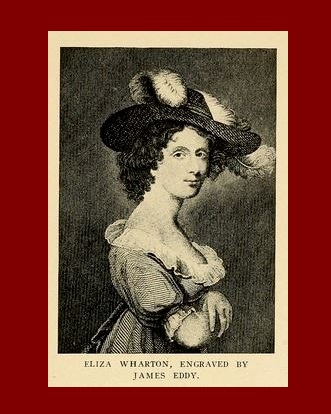
Imaginary portrait of Eliza Wharton, the tragic heroine of Hannah Webster Foster’s 18th Century American novel–The Coquette.

*         *        *

I have been teaching 200-level literature classes for some time now, having developed three from the ground up–World Literature II, British Literature I and British Literature II. This summer I’m working on my fourth online literature course, American Literature I. Now that the state has for some ungodly reason pronounced only American Literature I and II as universally transferrable, there is more demand for American literature than British, which is ridiculous to me since our language as well as many of our ideas and values originated in jolly old England. But that is a topic for another post.

Today, I am excited because I have been working on the major project for my American Literature I class, which is based on the major project I first used in my world literature class and now use in all my online literature classes–the Traveling the Book Project. I have also called it the Travel Project and the Traveling the Novel Project, but Traveling the Book seems best for American Literature I since there are few novels but many historical writings, important collections of essays and short stories as well as books of poetry that students may wish to “travel.”

The assignment has been made up of two parts: An annotated bibliography of sources about the author and his or her work and an itinerary of a two-week literary tour, including a summary or description of the work and a daily itinerary of places in the modern world people can visit that are related to the book and/or author. Students must also include an itemized budget, explaining how they will spend an imaginary $10,000 dollars, not including air fare, on accommodations, food, travel, entrance fees and miscellaneous cost. For American Literature I, I am asking students to also include a timeline of important events in American history as they relate to the author and/or work.

I have learned a great deal over the years about what works and doesn’t work concerning this assignment and continually refine it to help students reach the goals of the project which include coming to a better understanding of a major work of literature and its author, of course, but perhaps more importantly, learning how to pursue the deeper, more significant research they will hopefully be expected to conduct when they transfer to a four-year college.

One of the things I have learned is that students don’t really understand how to do deep research, so they have a hard time grasping the requirements of the project, so clear directions on completion are essential. I also limit the number of sources students can locate using simple web searches, encouraging instead the use of scholarly databases, e-books and print sources.  I also disconnect the sources used to find general travel information from the annotated bibliography, which should be more scholarly in nature.

Although detailed directions can help, many students are grateful that I post examples of the annotated bibliography and the travel itinerary presentation on the course home page for reference purposes The process of generating the samples for each class has become an enjoyable part of my summer. (I know, I’m strange.) I learn so much from each project I complete and going through the same process I want my students to go through helps me anticipate their questions and give them a real idea of how much time they will need to spend on each part of the project. (I worked ten hours or more over the course of four or five days to complete the sample annotated bibliography for American Lit. I.)

Creating the sample also allows me to model deep research, which means

  • reading the original source actively and thoroughly
  • reaching past general biographical information
  • searching primary sources rather than relying only on criticism and other secondary sources
  • researching certain aspects of the work including primarily historical context and setting
  • applying the research to the itinerary

I have just completed the annotated bibliography sample for American Literature I. The novel I chose is The Coquette, an epistolary novel by Eighteenth Century writer Hannah Webster Foster, and is considered to be the first American novel written by a woman. I will be adding the required summary of the novel before I actually post the example, but here are the ten required sources and their annotations to give readers an idea of what this part of the project looks like.

When I finish it, I will post the travel itinerary presentation example.

Katie Winkler

ENG 231

Instructor Winkler

May 28, 2015

A Woman on Her Own:

Hannah Webster Foster and the Independent Woman in Early American Literature

Brown, Richard D. “Daughters, Wives, Mothers: Domestic Roles and the Mastery of Affective Information.” Knowledge Is Power: The Diffusion of Information in Early America, 1700-1865. Cary, NC, USA: Oxford University Press,1991:160 196. ProQuest ebrary. Web. 27 May 2015.

Chapter Seven discusses the role of women in Early American society and the importance of Bostonian women’s importance to the publishing industry, especially newspapers, as well as the growing importance of novels, such as The Coquette. Although this source doesn’t mention Hannah Webster Foster or Elizabeth Whitman directly, it does have a wealth of information about the role of women in the time period when Foster lived and wrote. In addition, I have found that Foster’s first publications were political articles in Boston newspapers and that the first newspapers in America were printed in Boston.

There are several interesting aspects of the chapter that make Brown’s book relevant to my itinerary, especially a discussion on life as an upper class woman in 18th Century, particularly the life of Mary Holyoke of Salem, who kept a detailed diary of her social, political and domestic concerns as the wife of a prominent man in society. The woman described sounds very much like Eliza Wharton, the heroine of the novel. Other interesting information in the chapter is the importance of newspapers to women in all levels of society, the sensational nature of much of the newspaper reporting and how the patriarchal society of America attempted to suppress the reading of novels.

Davidson, Cathy N. “Hannah Webster Foster.” American Writers of the Early Republic. Ed. Emory Elliott. Detroit: Gale, 1985. Dictionary of Literary Biography Vol. 37. Literature Resource Center. Web. 26 May 2015.

A short biography of Hannah Webster Foster and a critique of The Coquette, which yields some interesting information about Foster and Elizabeth Whitman, the woman on whom Foster modeled her heroine. The author lived her whole life in Massachusetts, first in Salisbury and then in Brighton after she married John Foster, who became the minister of the First Church in Brighton, Mass. She had six children with Foster. Her first novel of two, The Coquette, was published in 1797 after the birth of her first child. This article mentions, as have other biographies, how Foster moved to live in Montreal with two of her daughters, both writers in their own rights, following her husband’s death, although I am not sure if I will include Montreal in my itinerary, which will probably include locations in Massachusetts and Connecticut only.

The article also offers a critique and analysis of The Coquette, and interesting to my purposes, also posits that Pierrepont Edwards, the son of the important “Great Awakening” preacher, Jonathan Edwards, was the father of Elizabeth Whitman’s child and the model for Major Sanford in Foster’s novel, convincing me to do some research on Jonathan Edwards and Pierrepont’s situation and perhaps add some relevant locations to my trip.

“Elizabeth Whitman: The Mysterious Coquette of 1788.” New England Historical Society. WordPress, 2014. Web. 25 May 2015.

Speculates on the life and loves of Elizabeth Whitman, the real-life Eliza Wharton from Foster’s novel, The Coquette. Not only gives some background on Whitman, but also speculates on her suitors and the men who possibly fathered her child, including Pierrepont Edwards, the philandering son of Jonathan Edwards, the firebrand preacher central to the Eighteenth Century’s Great Awakening, a protestant spiritual revival. Edwards lived In New Haven, a town that Whitman frequented. Another reason to visit New Haven is that many of the letters written by Eliza Wharton in Foster’s epistolary novel are penned in New Haven.

Other possible models for the character of Major Sanford, the seducer in the novel, are U.S. Senator James Watson and even, Aaron Burr, who became the third Vice-President of the United States, as well as Timothy Dwight, future president of Yale University, who helped with the cover up after Whitman’s untimely death. Helped me to make up mind to visit Yale as part of my trip.

Grove Street Cemetery. Friends of the Grove Street Cemetery, n.d. Web 28 May 2015.

A website that gives detailed information on the cemetery in New Haven, Connecticut, where the fictional Eliza Wharton penned most of her letters. Pierrepont Edwards, youngest son of the prominent theologian, Jonathan Edwards, is buried here. Edwards is believed by many to be the model in the novel for Major Sanford, the man who seduced Eliza and abandoned her. In real life Edwards is the most likely candidate to be the one who seduced Elizabeth Whitman, impregnated and then abandoned her.

Also, buried in this cemetery is Timothy Dwight, one of the early presidents of Yale, who is also sometimes mentioned in connection to Elizabeth Whitman, either as the seducer himself or one who helped the Edwards’ family cover up the scandal after Whitman’s death. The website gives quite a bit of information about Dwight, all lauding his accomplishments. Nothing, of course, about the scandal. Nevertheless, there is a wealth of information here to help me with my travel plans, including a self-guided tour map, listings of prominent people buried in the cemetery and a short video about the important Revolutionary figures buried at the Grove Street Cemetery.

Marchione, Dr. William P, PhD. “Hannah Foster: Brighton’s Pioneer Novelist.” Brighton-Allston Historical Society, 2001.       Web. 26 May 2015.

Excellent article that gives me actual addresses to places in Brighton Center (a suburb of Boston) related to Hannah Webster Foster. I can plan much of my itinerary for the Brighton leg of the journey from this article. I found that the building (10 Academy Hill Road) where Foster wrote the Coquette, was then the parsonage for the church her husband pastored, but is now in disrepair and a store front, but Dr. Marchione, the author of the article, petitioned to have a plaque put up to commemorate the building’s importance, and the plaque was supposedly erected. I plan to look for myself to see if it is there.

In addition, I plan to visit the first residence of John and Hannah Foster, The Ebenezer Smith House on Peaceable Street 15-17, which is still standing, according to the article, and is thought to be the oldest building in the Brighton Center area. The third residence caused some stir in the area as it was a huge, elaborate mansion and some residents thought it inappropriate that a clergyman should build such an expensive and opulently furnished house. Only a portion of the original house stands at 181 Foster Street, so I will plan to visit there. Since I have all of the addresses, I can simply plug them into my GPS and head on out!

Olver, Lynne. “Colonial and Early American Fare.” The Food Timeline. Lynne Olver. 1999. Web. 27 May 2015.

An important part of any trip I plan is doing my best to order foods that relate to the book I am “traveling.” In this case, The Coquette is about an upper class woman in the 18th Century who lived in Connecticut and Massachusetts, and I found wonderful information at this site. I discovered that popular foods in New England during this time included pies, cakes, chowders, baked beans, roasted meats, breads, salt pork, bacon and ham. I will also keep my eyes out for a special dessert called “Election Cake” and unusual fish choices like Hannah Hill and Black Fish.

Because this website breaks down cuisine by time and place, I can very easily pick and choose foods that I will want to keep in mind when looking at menus to plan my trip. In addition, there are interesting cultural tidbits of information on the site as well as a myriad of links to other sites, including the helpful source, American Cookery, which is a facsimile of the first cookbook written by an American.

Simmons, Amelia. American Cookery. Hartford: Simeon Butler, 1798. Feeding America: The Historic American Cookbook   Project. Michigan State University Libraries. 31 August 2003. E-book. 27 May 2015.

American Cookery is the first cookbook written by Americans for Americans and is a great resource to discover what New Englanders were eating during the time Hannah Webster Foster was living. In fact the cookbook was originally published i  n 1796, just one year before Foster’s novel, The Coquette. In addition, the book was published in Hartford, Connecticut, which is where the real life Eliza Wharton (Elizabeth Whitman), the tragic heroine of the novel, lived and will be one of the stops on my trip.

The cookbook discusses raising, preparing and cooking all manner of dishes, including seafood like lobster oysters, cod and eel; fowl like chickens, geese and duck; vegetables like potatoes, onions, beets, asparagus, artichokes and carrots; fruits like pears, apples, currants, grapes, even watermelon, and other foods, including a whole variety of legumes, lettuces and cabbages. The next section of the book includes recipes: roasted meats, stuffed turkey, chowders, stews, pot pies and minced pies as well as desserts like apple pie, rice pudding, Indian pudding, bread pudding, apple dumpling, puffed pastry tarts, custards and syllabub, which is a sweet custard flavored with wine or liquor. This information will be very helpful as I choose authentic meals to eat during my travels.

“Tragedy in Tale of Love: What an Old Weather-Worn Peabody Gravestone Tells.” The Coquette and the Boarding School:  A Norton Critical Edition. Eds. Jennifer Harris and Bryan Waterman. New York: W. W. Norton, 2013: 327-332. Print.

Published first in the Boston Sunday Herald in 1902, this article is a testament to the enduring popularity of Foster’s first novel that was a best-seller in its day and for decades afterwards. The anonymous author of this article makes a compelling case for the idea that Nathanial Hawthorne used Foster’s Eliza Wharton character as a model for Hester Prynne in his magnum opus, The Scarlet Letter. My trip to Salem, and Peabody where Elizabeth Whitman is buried, will now include a trip to The Salem Custom House where Hawthorne lived and worked while he was writing The Scarlet Letter.

The article also gives more in-depth biographical information about Elizabeth Whitman, the model for Eliza Wharton, than some other articles have given me, especially about her enduring religious faith and her upbringing in Hartford, Connecticut, including her father’s position as pastor of the Second Congregational Church in Hartford, which is still a functioning church (now called South Church) and one of the oldest churches in America. I’ll definitely want to visit there.

Waterman, Bryan. “The Elizabeth Whitman Paper Trail.” The Coquette and the Boarding School: Norton Critical Edition. Eds. Jennifer Harris and Bryan Waterman. New York: W.W. Norton, 2013: 302-307. Print.

Waterman’s name keeps cropping up in literature about Foster and Whitman. This article, first appearing in the William and Mary Quarterly in 2009, reprints several excerpts from articles about Whitman that appeared in newspapers around New England, including a notice of death appearing in the Salem Mercury and Pennsylvania Mercury, but none in Whitman’s native Connecticut. The wide interest in Whitman’s story generated brisk newspaper sales and is an example of the growing power of the newspaper.

The article also contains one of Whitman’s poems written late in her life, lamenting that her lover is late in joining her as he promised. Mention is made of Foster’s high position in Hartford and New Haven societies and her death in Danvers, Massachusetts (now Peabody) at a wayside inn not long after the birth of a still born child.

—. “Who Reads an Early American Book?” Common-Place: The Interactive Journal of Early American Life. 9.3 (2009). Web. 25 May 2015.

Waterman gives detailed information on the grave site of Elizabeth Whitman, the model for Foster’s Eliza Wharton in The Coquette. Explains the continuing interest in Whitman’s story—a popular and prosperous young unmarried woman from Hartford, Connecticut, who travels alone and pregnant to Danvers, Massachusetts, now Peabody, checks into the Bell Tavern, lives there until she has the baby and dies soon after. The plot of Foster’s novel follows closely the real-life situation of Whitman, so naturally I will want to include Peabody, as well as Hartford, in my travels, including, of course, the gravesite.

The article also gives information about the new gravestone, next to the original, that was erected in 2004 by the Peabody Historical Society that has gone to great efforts to restore interest in the story of Whitman, her alter ego, Eliza Wharton and Foster’s novel.

Throw Back Sunday

My Work Home

My Work Home

I used to write a BRCC column a couple of times a month for the Hendersonville Times-News. Here’s one of those columns, from back in 2003:

A series of events the past few weeks has caused an identity crisis in me, forcing me to ask that question teachers often find themselves asking. “What exactly do we have to offer—what is our role?

Should we be entertainers? After all, it is difficult to keep students engaged, especially when many have grown up passively viewing a television screen or matching wits with an exciting computer-generated opponent. Sometimes we try to “jazz things up,” yet no matter how witty our illustrations or detailed our demonstrations, despite our high tech visual aids, we teachers can’t match the special effects of Star Wars or Lord of the Rings.

Of course, teachers should make attempts to prompt student responses through group discussion and student comments, but in the end it is the teacher who has the responsibility to bring student discussions to the sticking point, to summarize key points of any discussion. I know it’s become a dirty word in some circles, but sometimes we even need to lecture.  For many students, that’s not entertainment.

If it is not a teacher’s role to be an entertainer or merely a facilitator, is it to be an encourager? Everyone needs praise.  Good teachers know this and try to find real reasons for praise. One word of encouragement from an admired and respected instructor can fuel some students for an entire semester. Sometimes praise can even change a student’s life; however, constructive criticism has also been known to be the making of a person.

Teachers sometimes see themselves as physicians, highly trained professionals who diagnose problems and offer cures.  But others sometimes see us as nothing more than dispensers of grades—recorders. I do the work; you write my A in the grade book and raise my self-esteem.

Are we here to make students feel better about themselves?  Are we counselors? As a writing teacher, I sometimes find it difficult to even constructively criticize a student’s work if I’m aware of his or her difficult circumstances. I ask myself, what if he or she takes my criticism personally. Could my words so sting that the student becomes so angry or discouraged that he or she drops my class or quits school?

In the end, good teachers know avoiding the errors in student performance, no matter what the students’ difficulties, can only block their ability to learn. Our job is to assess students and inform them of their problem areas, not to assure them, “Everything is okay.”

At the beginning of the semester in my freshman composition classes, I relate to students my educational philosophy by describing a scene from the movie All That Jazz, based on the life of Bob Fosse, the late choreographer and Broadway director of Chicago.  The Fosse-like character becomes frustrated with a beautiful young dancer who gets her job more for her sexual appeal than her dancing ability. When the young woman breaks down in tears, the choreographer stops the music and goes to the girl, saying something like this: “I can’t promise you I’ll make you a great dancer.  I can’t even promise I can make you a good dancer. But if you work real hard and listen to what I say, I’ll make you a better dancer.”

Like the choreographer, we can’t make many promises. We can’t say for sure that our students will be stimulated or get A’s or even pass. But we can make the promise that if they will listen, even if the delivery is not of their liking, even if the grade is not what they expect, they will learn.

Reminded then of our promise, our role becomes clear. I know what it is we have to give. It’s not entertainment, not unreserved praise; it’s not a shoulder to cry on. The only thing we can offer our students is what we know—about our disciplines, about learning, about life.

The rest is up to them.

The Quality of Mercy

images

Maggie Smith, one of my favorite actors, as Portia 
in Shakespeare's Merchant of Venice--
the BBC's 1972 version of the play

The quality of mercy is not strain’d,

It droppeth as the gentle rain from heaven

Upon the place beneath: it is twice blest;

It blesseth him that gives and him that takes:

But mercy is above this sceptred sway;

It is enthroned in the hearts of kings,

It is an attribute to God himself;

And earthly power doth then show likest God’s

When mercy seasons justice. Therefore, …

Though justice be thy plea, consider this,

That, in the course of justice, none of us

Should see salvation: we do pray for mercy;

And that same prayer doth teach us all to render

The deeds of mercy. I have spoke thus much

To mitigate the justice of thy plea;

Which if thou follow, this strict court of Venice

Must needs give sentence ‘gainst the merchant there.

The Merchant of Venice, Act 4, Scene 1

I am so much like Shylock. I believe strongly in justice. Just like Shylock, I don’t just seek justice, I demand it. But unlike him, I hope, in dealings with my students anyway, I see the wisdom of Portia, one of my favorite of Shakespeare’s female characters, and I know that it would have served Shylock well to heed Portia’s words and render mercy. And indeed, many times when a student asks for mercy, and I choose to give it, we are indeed both blessed. The student gets a chance to rectify whatever problem there is–attendance, poor performance in class, misbehavior in class, whatever it may be, and I get the satisfaction of helping a student succeed and truly learn something valuable.

Sometimes, however, that mercy is given, the student takes it, and then uses my act of mercy against me. This just doesn’t happen to teachers, of course, but I find that the teaching profession seems particular vulnerable to the ungrateful. I get so disheartened when this happens that I want to make a list of strict rules and never show any mercy whatsoever. Sometimes I think my colleagues and supervisors would be happier if my mercy were a bit less freely given.  Now, I do have rules and high standards, but I temper them with mercy if I see that I can help the student. I just have to, you see, because of the mercy shown to me.

I remember when I was a senior in undergrad school. I was struggling, like a lot of my own students, with who I was and where I was going next. I was pretty smart and had a way with words, but I was so caught up in my life –meeting people and learning a new language and becoming a woman and discovering hidden talents, like acting and persuasive speaking, that I had, frankly, lost interest in my English studies.

I procrastinated with my paper and put it off and off that last semester of my first senior year that when I finally started working on it in earnest, I realized that it would be impossible for me to finish. I had to ask for an extension. I was truly scared when I walked into my professor’s office. He was intimidating because he was so brilliant as well as being the head of the English department. I didn’t think he even really knew my name. I was standing there and couldn’t speak. He finally looked up and said something, I can’t really remember, and I blurted it all out. Not all of “it” was absolutely true either, but he had mercy. He gave me the extension I requested without hesitation. Then he did something I never expected–He pointed to the chair and said, “Now sit down and tell me what’s really bothering you.”

I finished the paper that first semester of my 2nd senior year. I never had worked so hard on anything in my life. 35 pages comparing the works of Flannery O’Connor and Franz Kafka–two displaced people who didn’t fit in anywhere, so they became writers or maybe they were writers and that’s why they didn’t fit in. I still don’t know. Anyway, I could say I finally found my way while I was writing that paper, and it would be a lie. I could say I stopped procrastinating and learned my lesson; that too would be untrue. No, I worked that hard out of gratitude to the professor who showed me mercy. His mercy, freely given, was twice blessed.

So I lean towards mercy when I think that mercy is going to be best for the student, when the student has a chance of making real change in his or her life. However, the quality of mercy is not strained (or forced). If the mercy is to be at all, then it must come freely given from the person granting that gift. For example, Portia is a wise judge. She knows she cannot legally force Shylock to have mercy because then that mercy would simply be a violation of justice. True mercy requires true justice. So she appeals to Shylock’s sense of justice when she appeals to his mercy. But he doesn’t want justice. He wants revenge.

As we see later in the play, Shylock made a grave mistake not granting mercy–it led to his bankruptcy and loss of his only child–making the play a tragedy more than a comedy in my mind, so great is Shylock’s loss. But Shylock’s fall is inevitable because Shylock is so full of anger, justifiably so perhaps considering the anti-semitic society in which he lives, that he can not show mercy because mercy must be freely given.

Therefore, even if a student takes my merciful action and uses it against me, it is still a gift freely given in an attempt to help that student. If now that student is demanding mercy, I can not give it because it is not freely given and would corrupt justice.
However, if I truly believe that I am standing my ground for the sake of the student as well as the integrity of my profession, then I am blessed no matter how the student misuses my gift. If no one ever acknowledges that I did the right thing and some people rally against me because of my stand, I will still be blessed because I didn’t allow others to pervert my deep sense of justice. 
I will continue to seek justice by upholding established policies and procedures, to fight for what is right, and I will continue to show mercy. Not because it is in my nature–it is not; not because my faith demands it–it does not. I show mercy out of gratitude–gratitude to the one whose unmerited favor has given me such a wonderful, abundant life.