Searching for Landmarks

Photo by RDNE Stock project on Pexels.com

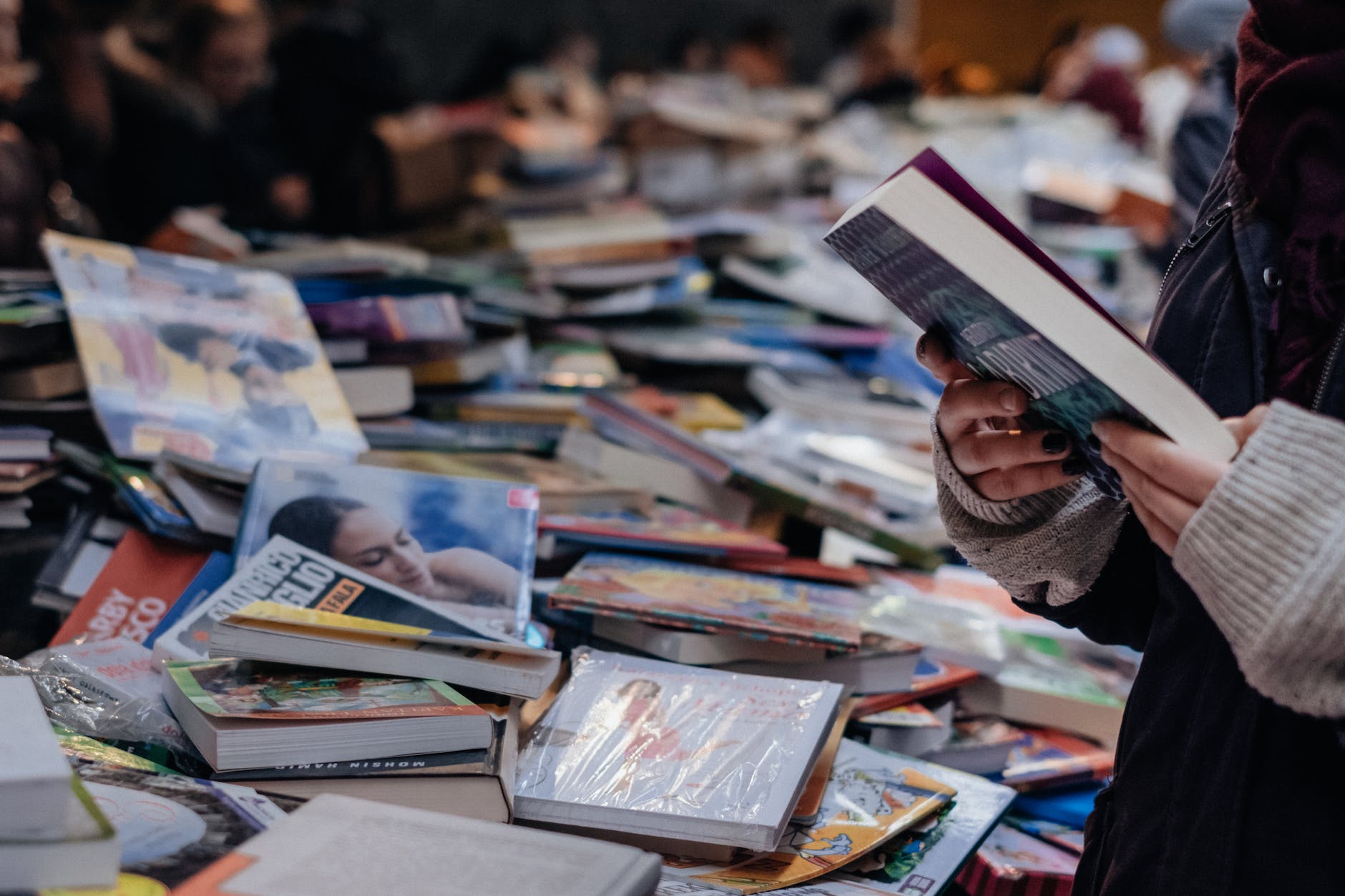
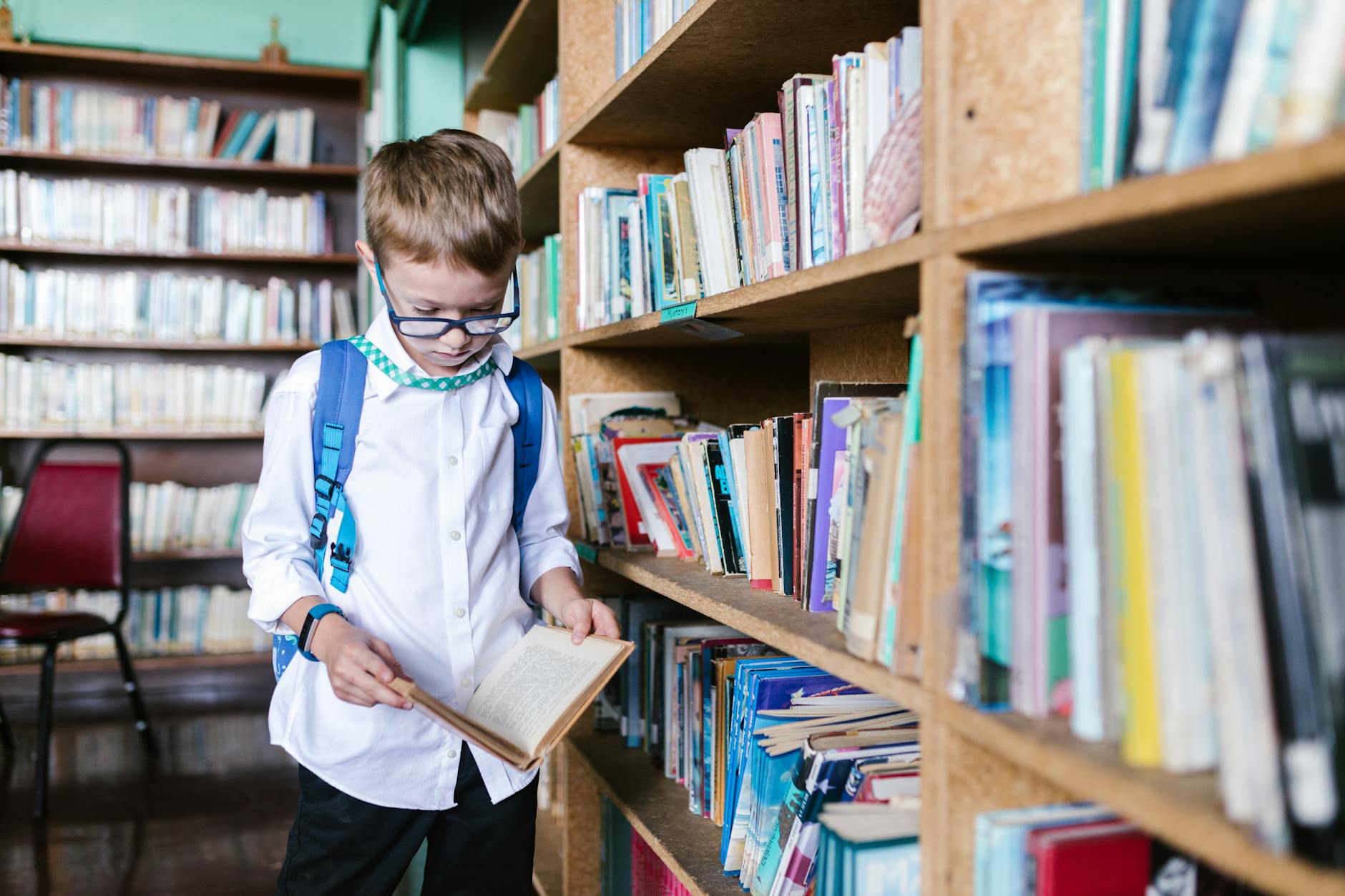
One of the joys of retirement with my husband John is being able to linger over coffee in the morning, making deep dives into subjects that interest us and talking about them without interruption, except for getting warmups of our coffee, of course. A day or two ago, having watched an episode of a Thomas Jefferson documentary the night before, John, who has always been a history buff and especially interested in Jefferson, found a picture online of the Jefferson biography that he read in elementary school. From there, he looked for other books from his early days, one on the American ship builder Donald McKay, who built the famous clipper ship the Flying Cloud. Then there was the book about dinosaurs, Prehistoric America by Anne Terry White, part of the Landmark book series for children published from 1950 to 1970. John remembers how he checked that book out numerous times from his school’s library, how the librarian would always let him know when there was a new dinosaur book for him to read.
Photo by Cup of Couple on Pexels.com

As I poured my second cup, I remarked how important libraries AND librarians were when we were children, how those early reads influenced us and how librarians helped us to find those books. That comment led me to think about how I tried (It wasn’t always easy) to show my freshmen English composition students how important libraries and librarians still are by taking them to the library to search for landmark texts within their chosen area of study, real paper books with covers and everything, that they would physically have to find, pull from the shelves, and search through to discover if it was indeed a landmark text.

Of course, I told my husband who dutifully listened, the first thing I had to do once we were at the library was explain to them what I meant by landmark text within the context of the essays they were writing about the profession they were hoping to enter, or were at least somewhat interested in. They would have to look for the following clues:
– Books that had multiple editions, but still current
– Books written by or about prominent people within the profession
– Current textbooks from subjects important to the profession
– Current handbooks, manuals, and other texts that contained important reference material
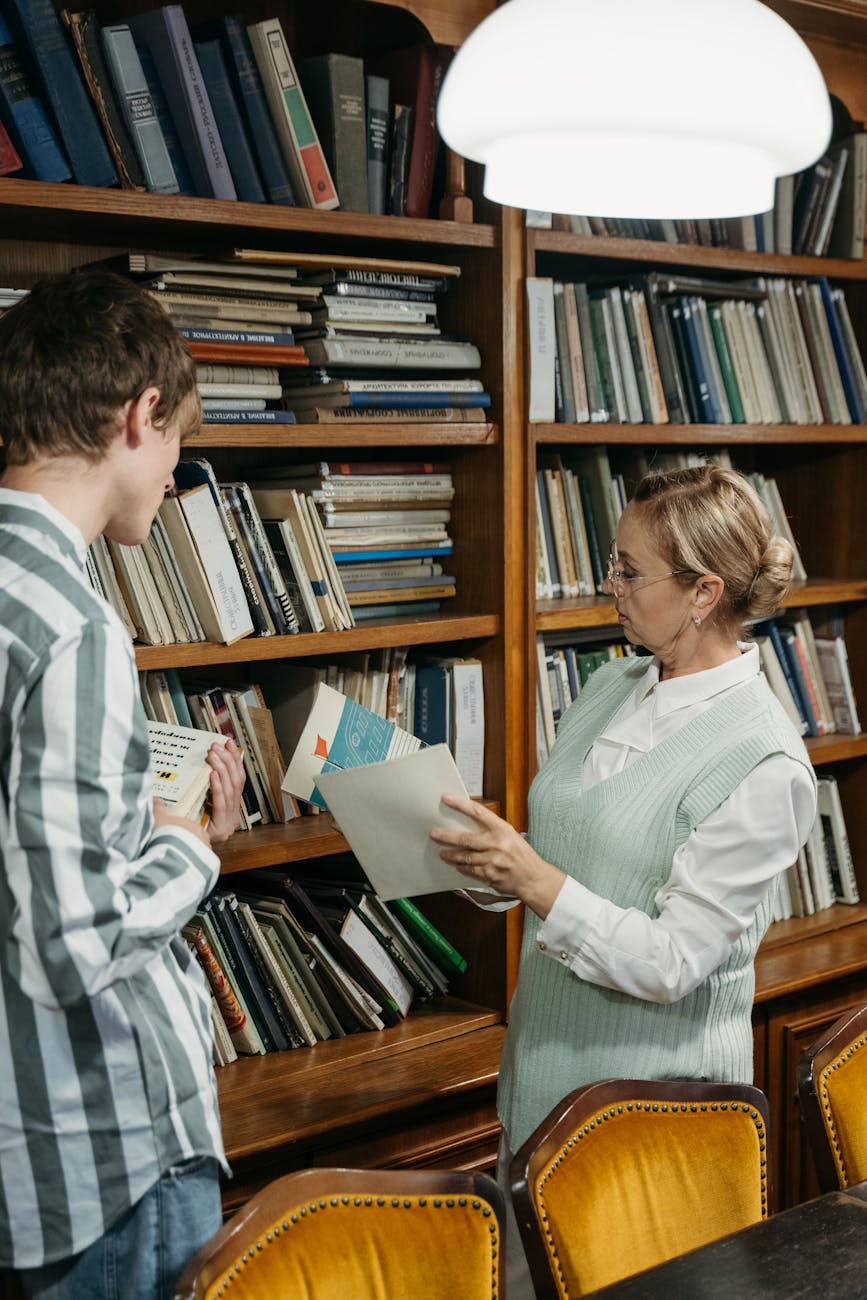
Photo by Tima Miroshnichenko on Pexels.com

After handing out forms that students would fill out to justify the books as landmark texts, as well as gauge their engagement with the exercise, I would let the students use the rest of the class time to search for their texts. What the students didn’t know was that the whole class period had been carefully coordinated between the librarians and me. They were aware of the assignment, and the research day had been scheduled, so they were ready and able to assist students, some of whom had never set foot in a library before. No, I am not exaggerating. If they had experienced libraries, many had only encountered the Dewey Decimal System of classification and were new to the Library of Congress system used in our library.

I needed the librarians to be the roaming helpers who assisted students in discovering and locating possible books because I would station myself in the classroom area in the back of the library away from the other patrons so that students could bring their texts to me for approval before filling out their forms. Within a very few minutes, students would be standing in line at my station expecting to turn in their forms and leave early, but more often than not, these students’ choices were rejected for not meeting one or more of the criteria. Often times, the student had just pulled a book off the shelf because it was about their chosen profession and nothing more. I would remind them that the word landmark means something that is prominent, that stands out, marking an important milestone or event. A landmark text would be one that would be foundational to the study of the occupation they would be writing about in their essay.

Soon, I would have a long line of students waiting to have their books checked. As word spread about what I was looking for the process became easier and students would turn in their papers with a smile. I had one student who was studying business and found a biography of Warren Buffet, another studying environmental science who found Silent Spring by Rachel Carson, still another who wanted to be a pilot and brought me a well-regarded flight handbook. And the student going into the medical field who offered Grays Anatomy. Yes. Yes. Yes. Yes, I told them. And so it went for the rest of the class period and beyond, students discovering, analyzing, engaging with real books and real people.

Imagine that.

Banned or Challenged?

Photo by Mikhail Nilov on Pexels.com

Okay. It’s time for all sides in the book banning debacle to simmer down. If people would just chill, the world would be a better place. (And I am the chief non-chill person, so I’m talking to myself here, too.) I do think that people throw around the word “banned” a bit too freely, especially where school classrooms and libraries are concerned.

Take Florida, for example, where people are justifiably concerned about House Bill 1467 that requires extensive review of classroom materials by members of school boards, most of whom are not educators nor librarians with no training in curriculum development. It also requires principals to take on onerous clerical responsibilities for materials. In addition, only certified librarians, who are already certified in Florida, must go through further training on what is considered “appropriate” before they can review material and if they do not comply completely with the new law, then they risk being disciplined or removed from their positions.

Therefore, the decision by some Florida school districts has been to remove any book that could possibly be considered inappropriate until the librarians can be trained, or indoctrinated, into seeing a book the way those of a particular political persuasion sees that book. On the other hand, people, again justifiably so, are upset when they read headlines about books being removed from the shelves and see photos of those empty school library shelves.

But, here’s my thing, those books that are being pulled from the shelves, they haven’t been banned. They are being pulled for review. Now, I know I don’t know nuthin bout the running of the government and I’m just a little ole retired English teacher, but I’m just gonna say it. This Florida law is stupid. The way I read it is that for political purposes, the Florida legislature has passed this law to placate extremist folks of all kinds, many who could not care less about the true education of children, which involves the continual development of their ability to discern what is right and true and good. Think John Milton’s great speech on censorship, the Aeropagitica.

Photo by freestocks.org on Pexels.com

In reality, all this bill is doing is creating a bureaucratic, unenforceable mess. Already, teachers don’t have enough time in the day to actually teach students much of anything, much less form relationships with them so teachers can match instruction to the individual student’s needs. Librarians don’t have time to lead students in instruction on how to complete research or help them find books that they WANT to read or encourage them to love reading. How is a school board that meets once a month, is not compensated for their time, and more than likely does not have the knowledge of curriculum for all of the different subjects, with usually no training in determining grade level, how are they supposed to review ALL instructional material for the school? AND as I understand it, the law indicates that school boards must do this review in public and allow for public comment and input. It’s a ridiculous notion to think that compliance with this law will be possible.

This is one reason why everybody needs to chill. This is bad law. What needs to happen is people standing up and having a conversation about why it’s bad and challenging it.

Or not.

Photo by Max Fischer on Pexels.com

Perhaps I’m cynical. Perhaps I’m bitter. So, take my words with a grain of salt, but I just don’t think many people really care. In the end, the outrage on both sides will pass and teachers will be stuck with more rules to follow, forms to fill out, evaluations to be made, everything to take them away from what should be their focus, explaining, mentoring, encouraging, assessing, remediating–teaching.

To me, all of the bluster is intended to make people feel like they care about the education of children. To show that they are a true believer in either a religious or secular sense. “See, I go to school board meetings and speak out about showing pornography to our kids.” “Look at me! I go to school board meetings to speak out about freedom and against censorship.”

But the teachers and administration need to chill, too. There’s just too much reactionary activity on all sides. Florida passes a law. The admin and some teachers are worried about being sued or losing their jobs. I know there might be a chance of that happening, but life is risky. Look, I’m not trying to make light of that fear, but is a job at a school that consistently makes you go against your conscience really worth having?

Photo by Yan Krukau on Pexels.com

Teachers, look at your situation. How likely is it that you will lose your job? How many times in your career has your job been threatened because of what and how you teach? I know there are some, but it is kind of like a police officer using a gun–many officers go through their whole career never firing their gun except on the firing range. A 2016 Pew Research Center study sponsored by The National Police Research Platform found that only 27% of officers fired their guns while on duty.

It seems to be even rarer for a teacher to be fired for cause. A fact check by 74 indicates that only 2.1% of American public school teachers are fired for cause, mainly for incompetence, not for their ideology, not for what they are teaching. I couldn’t find separate statistics for those directly fired because of the books they have on their shelves and in their curriculum, but it’s less than 2%.

I would never tell a teacher what to do, but I would encourage teachers everywhere at every level–stand up for yourself, stand up for what you believe, stand up for freedom of thought and against censorship. At the same time, admit when a book is inappropriate for your students. Avoid feeling threatened when a parent challenges a book. It’s their right. At the same time, encourage parents to come to you when they have a question about something you’ve said or about a book or some other aspect of the curriculum instead of going immediately to administration.

If you are an administrator or a school board member or a parent, please don’t leave the classroom teacher out. Ask them what’s going on. Have real discussions face to face with the teacher, instructor, or professor. Understand that what a student says about what a teacher says and does is not going to give anyone a complete picture of what is really happening in our classrooms. However, talk to our students about what is happening with book bans, challenges, and removals. They might surprise us with what they are able to “handle.”

Photo by Pixabay on Pexels.com

So, let’s try not to overreact. Instead of leaping to review every book for any remote perception of something wrong, or more than likely to make our big important political statements, why don’t we allow teachers to make their own judgments while parents make theirs, recognizing that sometimes all we need to do is talk together about books and ideas and feelings, even if they make us uncomfortable. Sometimes, that’s when real education begins.